Natural ventilation design in an industrial context
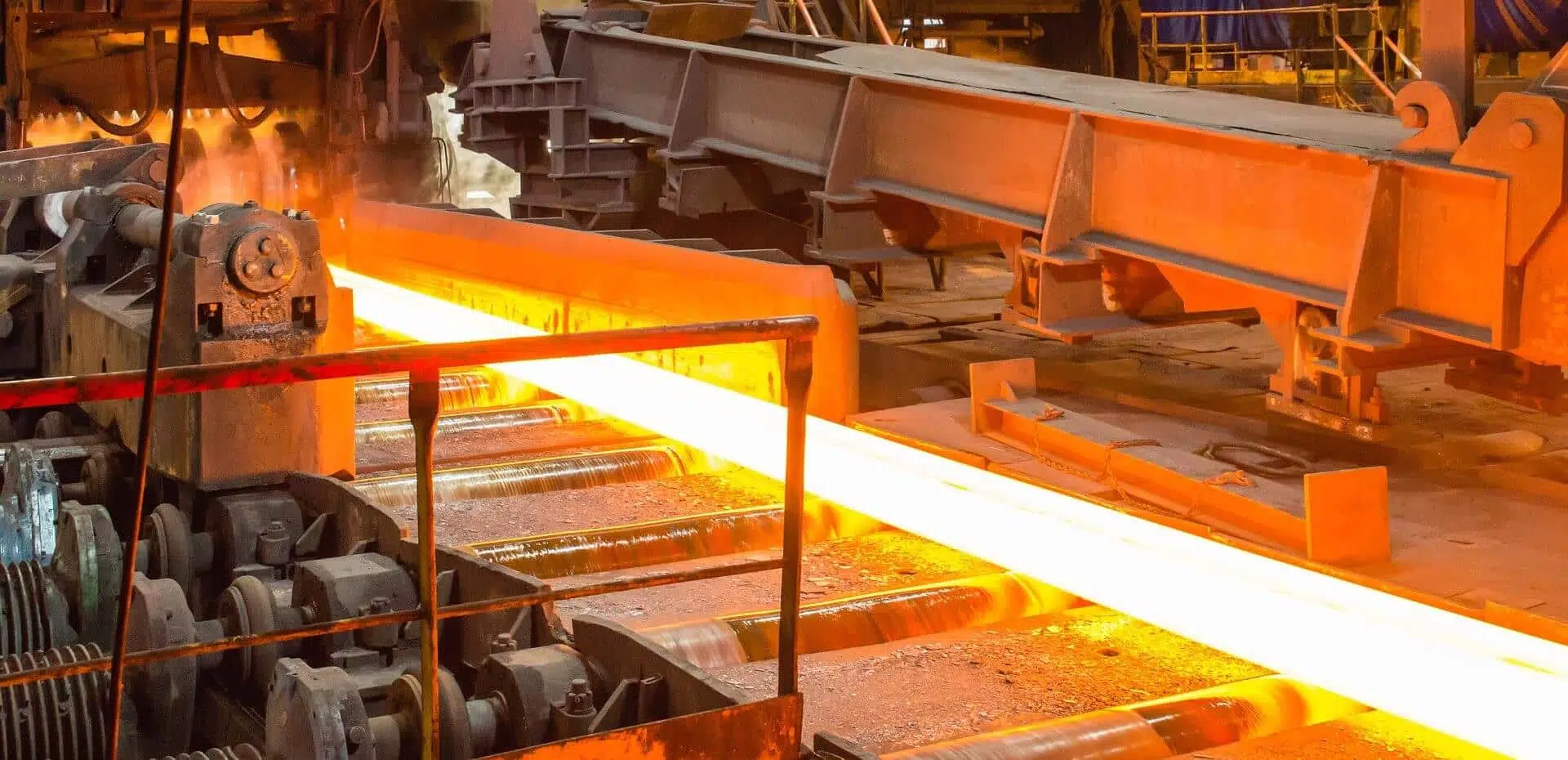
In facilities with strong heat sources — glassworks, steel plants — natural ventilation uses the heat gains of the process itself to create a sufficient driving force.
Design
- Static ventilator sizing
- Ventilation shaft design
- Energy optimisation
Clean up
- Pollutant extraction
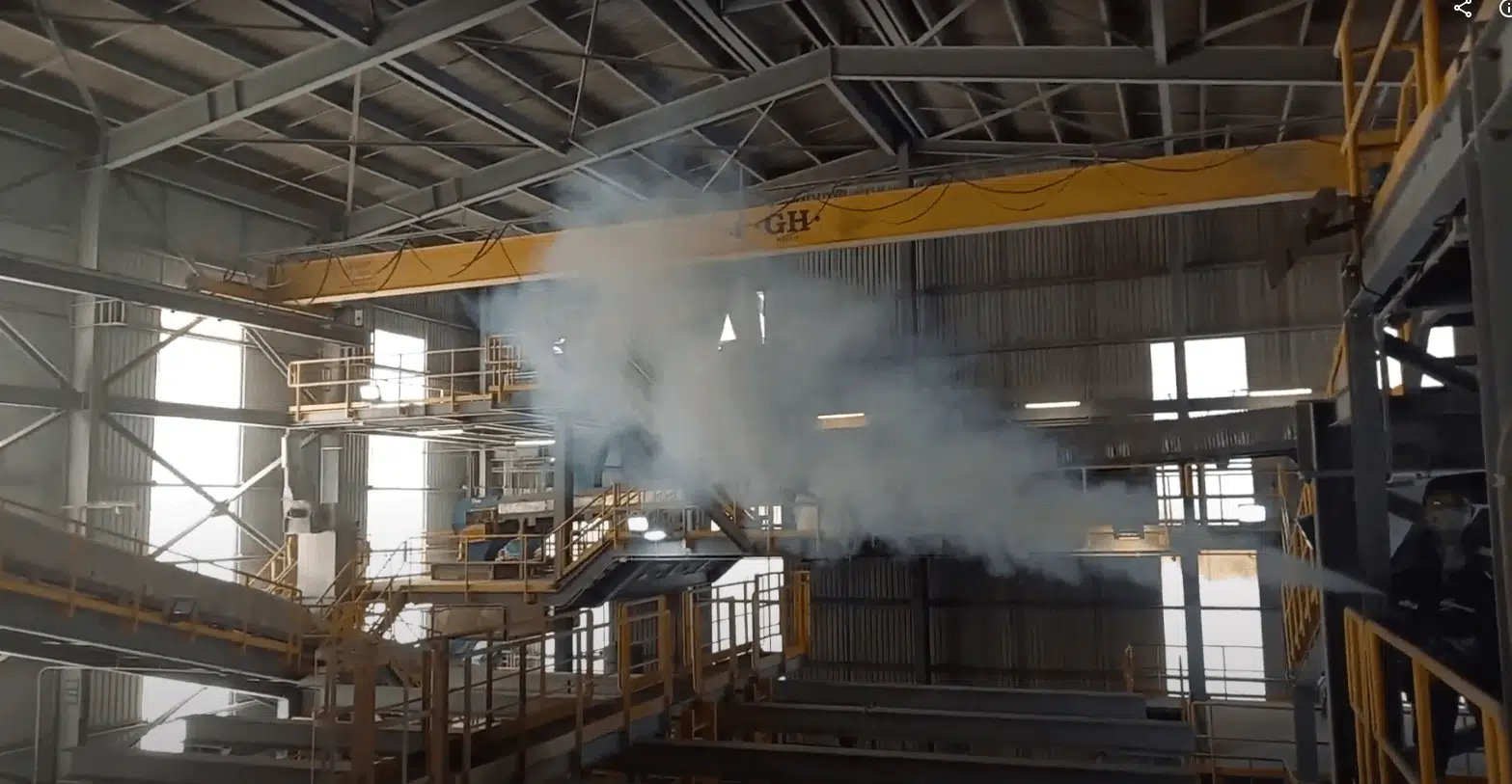
- Removal of water mists
- Removal of hot air masses
Improve
- Thermal comfort
- Air quality
- Filtration systems
Principle of natural ventilation
The ventilation of a plant housing furnaces at extremely high temperatures — needed for glass production — is a major technical challenge. Even the best-insulated furnaces release large amounts of heat, leading to very high heat gains in the indoor air. Natural ventilation harnesses these gains as the driver of air circulation.
The risk of poor ventilation management
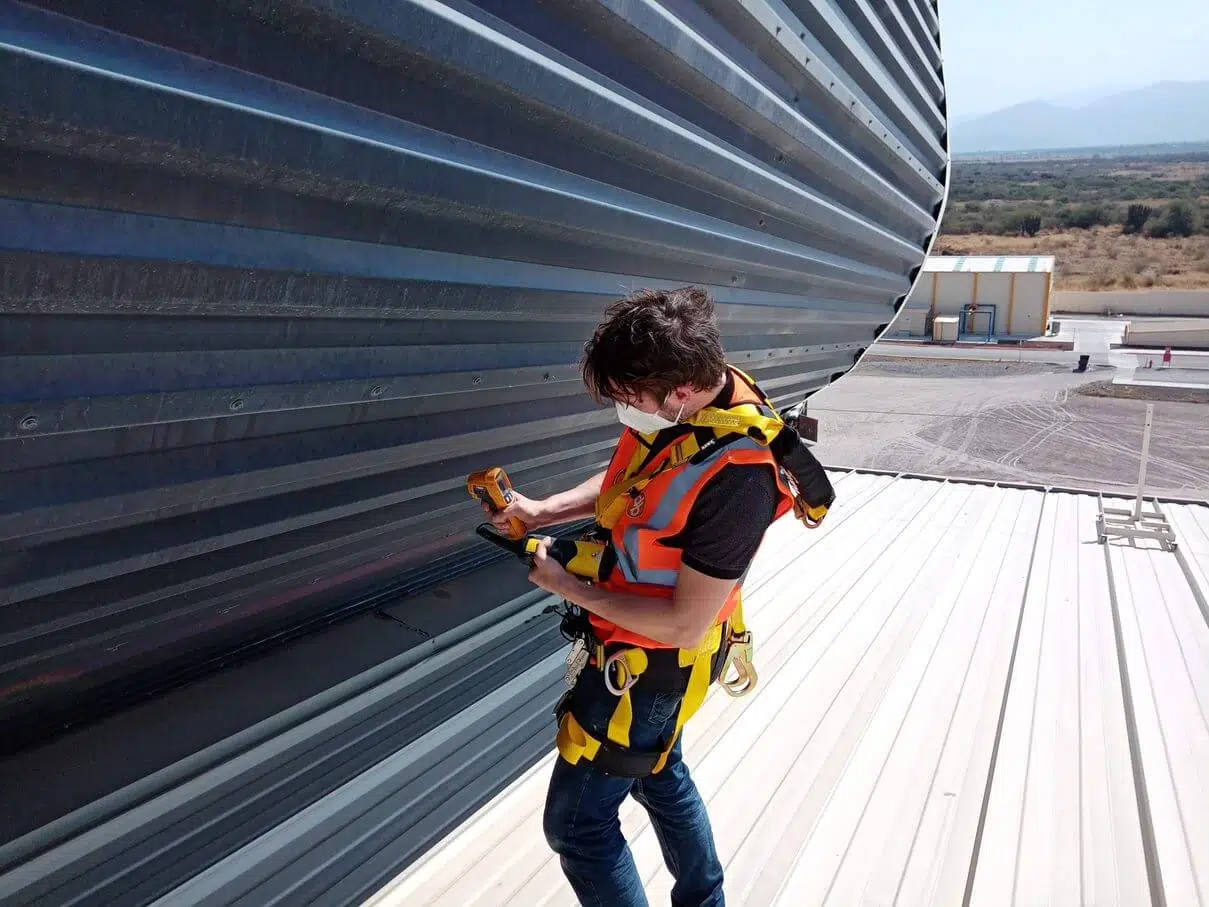
Each building, particularly glassworks, is assigned a critical temperature which, if exceeded, can damage the structure — especially the roof, where heat gains are highest — causing deformations, or even fires if grease has built up over time. Moreover, the thermal comfort of operators must be kept at optimal levels at workstations, or acceptable levels for temporary intervention areas (above the furnaces, for example): the air must be released into the atmosphere to ensure the continuous operation of the facility.
Sizing of static ventilators
The correct sizing of static ventilators is essential to the effectiveness of natural ventilation: these devices manage incoming and outgoing air and ensure optimal circulation. Incorrect sizing leads to overheating, excessive humidity or poor air quality. Depending on the building's configuration, its use and the local climate, it is crucial to choose ventilators suited in size and positioning — good sizing also maximising energy savings.
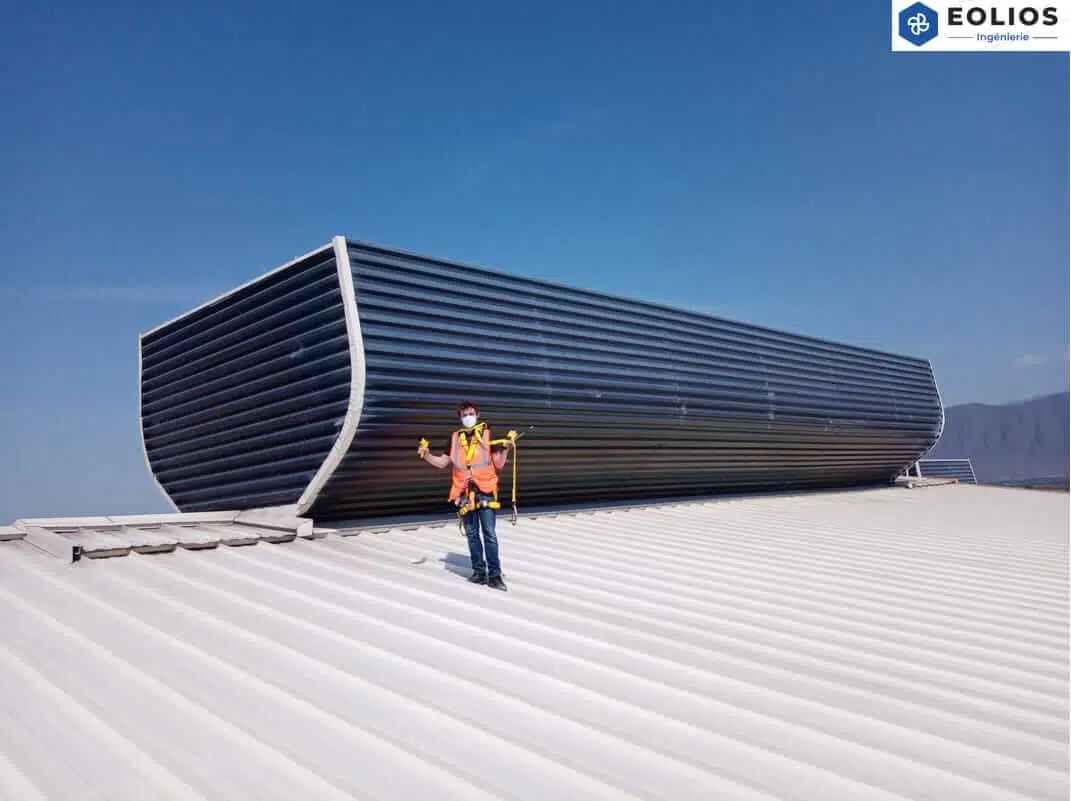
Studies carried out around natural-ventilation systems
Characterisation of air flow rates
The CFD calculation precisely models the fresh-air flow rate, the air velocities at the doors and the static ventilators (Robertson type), as well as the extracted air flow rate. Particular attention is paid to air velocities at the doors and ventilators: poor sizing or inappropriate placement causes thermal discomfort or poor ventilation, and increases the risk of uncontrolled air ingress creating zones of overheating or humidity.
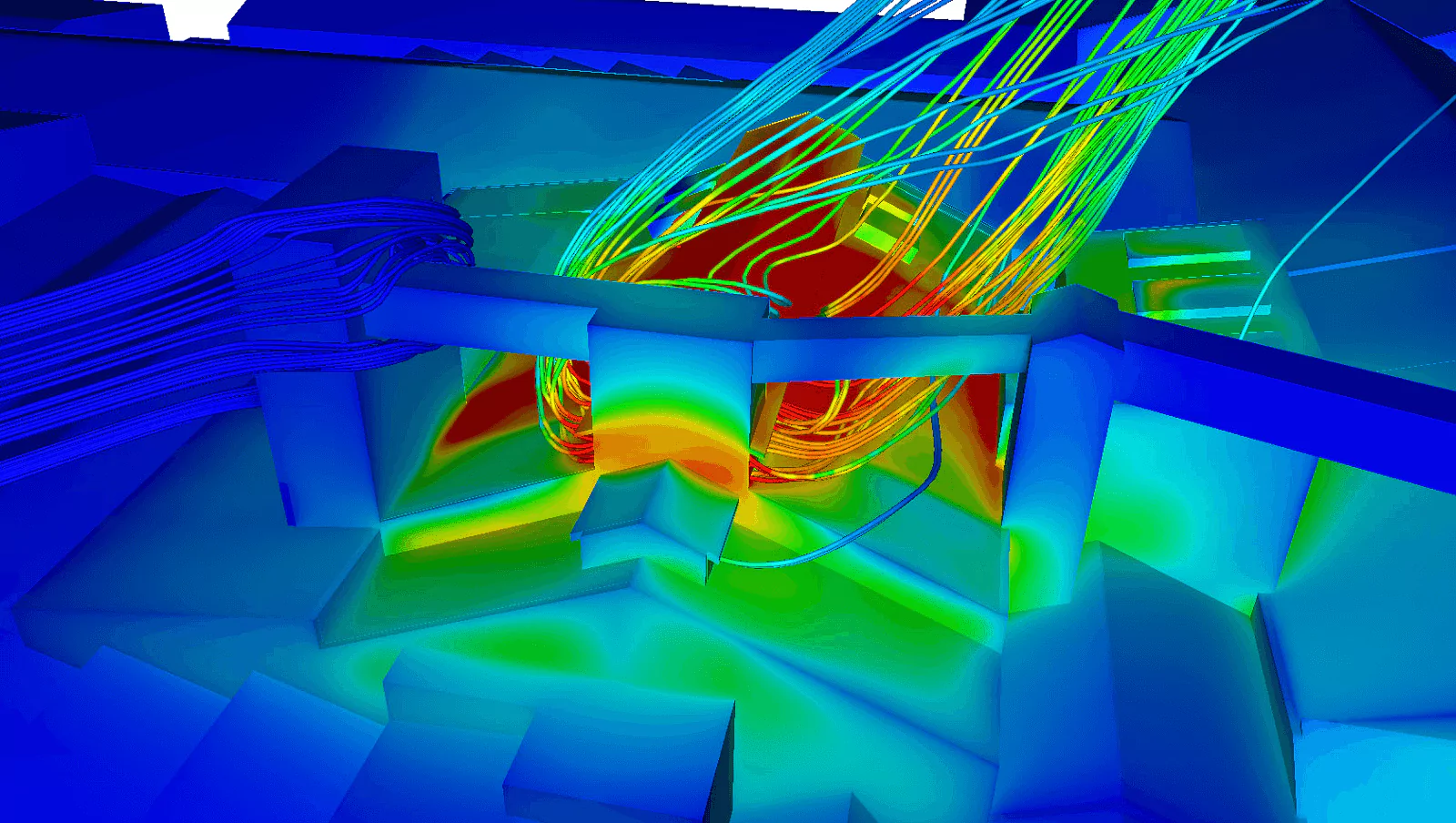
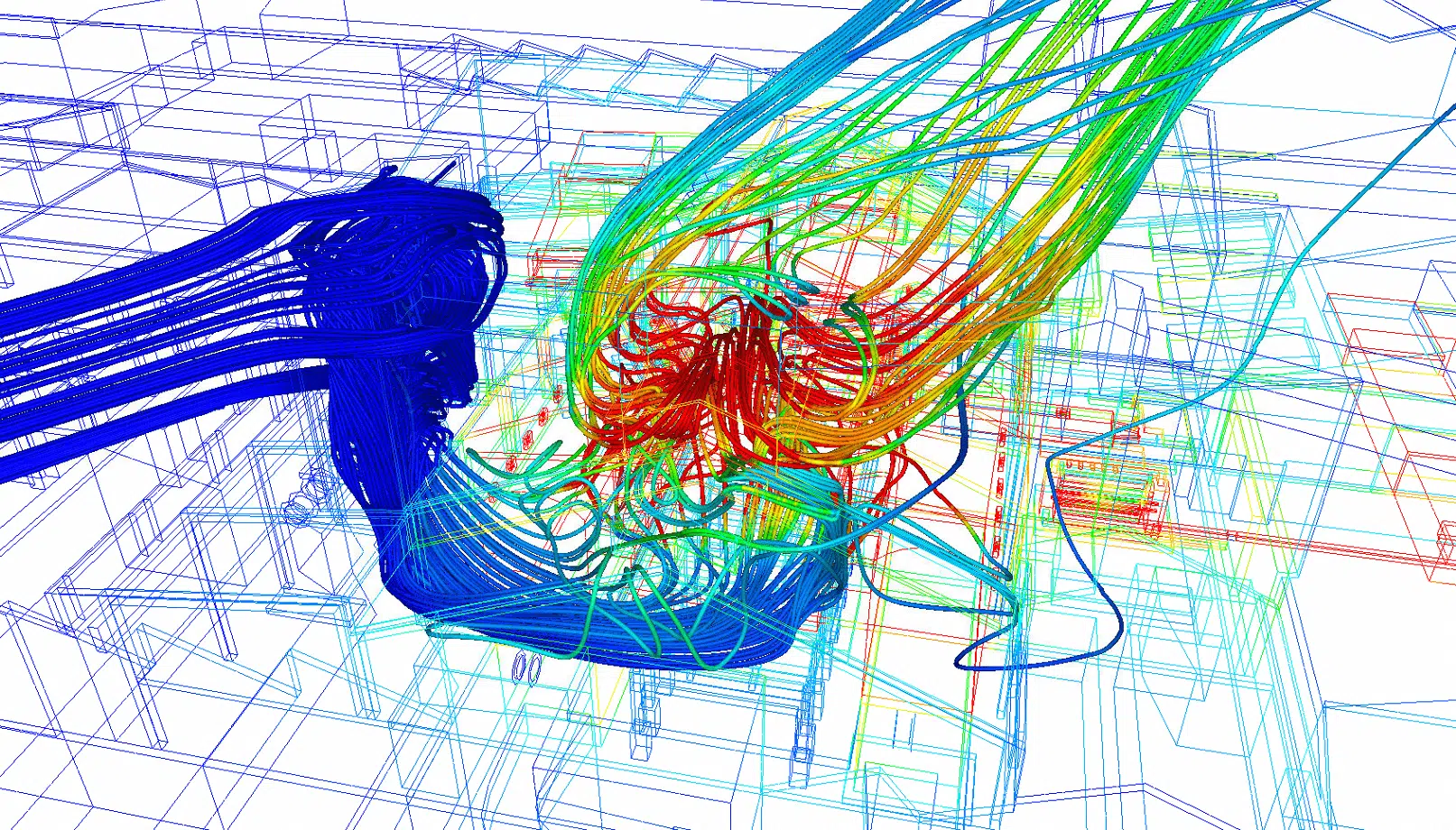
Thermal study of heat removal
Thermal studies quantify the impact of high-temperature processes (furnaces, boilers, engines) on air circulation. An analysis simulates the distribution of heat within the building, identifies the overheating zones and optimises the sizing of ventilators and openings to maximise heat removal while ensuring air quality and comfort.

Tracing and extraction of pollutants
The tracing and removal of pollutants by CFD optimise natural ventilation: the simulation models the behaviour of fine particles, VOCs and toxic gases according to the sources and environmental parameters, visualises their trajectory, identifies zones of high concentration and determines the best strategies for removing them to the outside.

Influence of weather conditions
The outdoor temperature, wind speed and humidity have a direct impact on natural ventilation: hot days increase the thermal draught and the removal of stale air; cool or windy days improve the supply of fresh air but can create uncomfortable draughts. The sizing of openings and channels takes local climatic variations into account, with CFD predicting the impact of outdoor conditions.
Automated natural ventilation
Automated natural ventilation combines natural principles with sensors (temperature, humidity, air quality) that regulate the opening of ventilators and windows in real time. It adapts to weather variations and avoids oversizing, in particular reducing excessive air velocities at operator level.
Improving operators’ working conditions
Optimising thermal and airflow comfort
By harnessing thermal draught and convection ventilation, natural ventilation promotes the circulation of hot air to the outside and the supply of fresh air, reducing temperature differences without energy-hungry air conditioning — hence energy savings. Precise sizing of openings, ventilators and grilles ensures a flow suited to each zone, preventing overheating and excessive cold.

Improving air quality
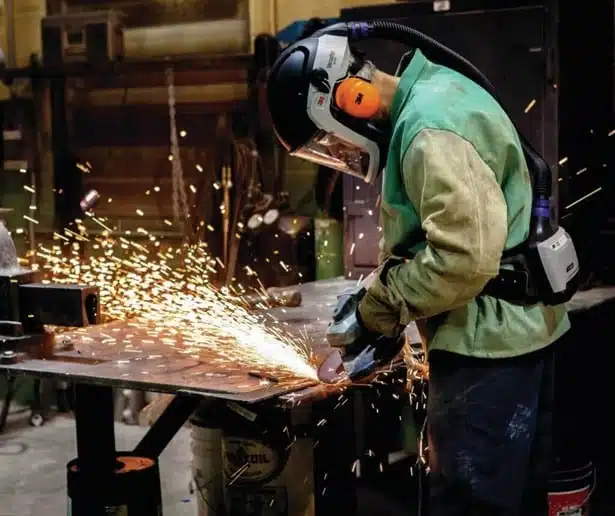
Natural ventilation ensures a constant air renewal: by harnessing thermal draught and convection, it reduces the concentration of pollutants (fine particles, VOCs, CO₂) while maintaining a comfortable temperature. Proper positioning of openings removes stale air and introduces fresh air without an energy-hungry system, preventing excessive humidity and mould.
Compliance with standards and regulations
Energy optimisation & decarbonisation
Energy optimisation and decarbonisation are major challenges: by harnessing thermal draught and convection, natural ventilation ensures efficient air renewal without mechanical systems that emit large amounts of CO₂. Precise sizing of ventilators and openings keeps comfort all year round while minimising the building's carbon footprint.
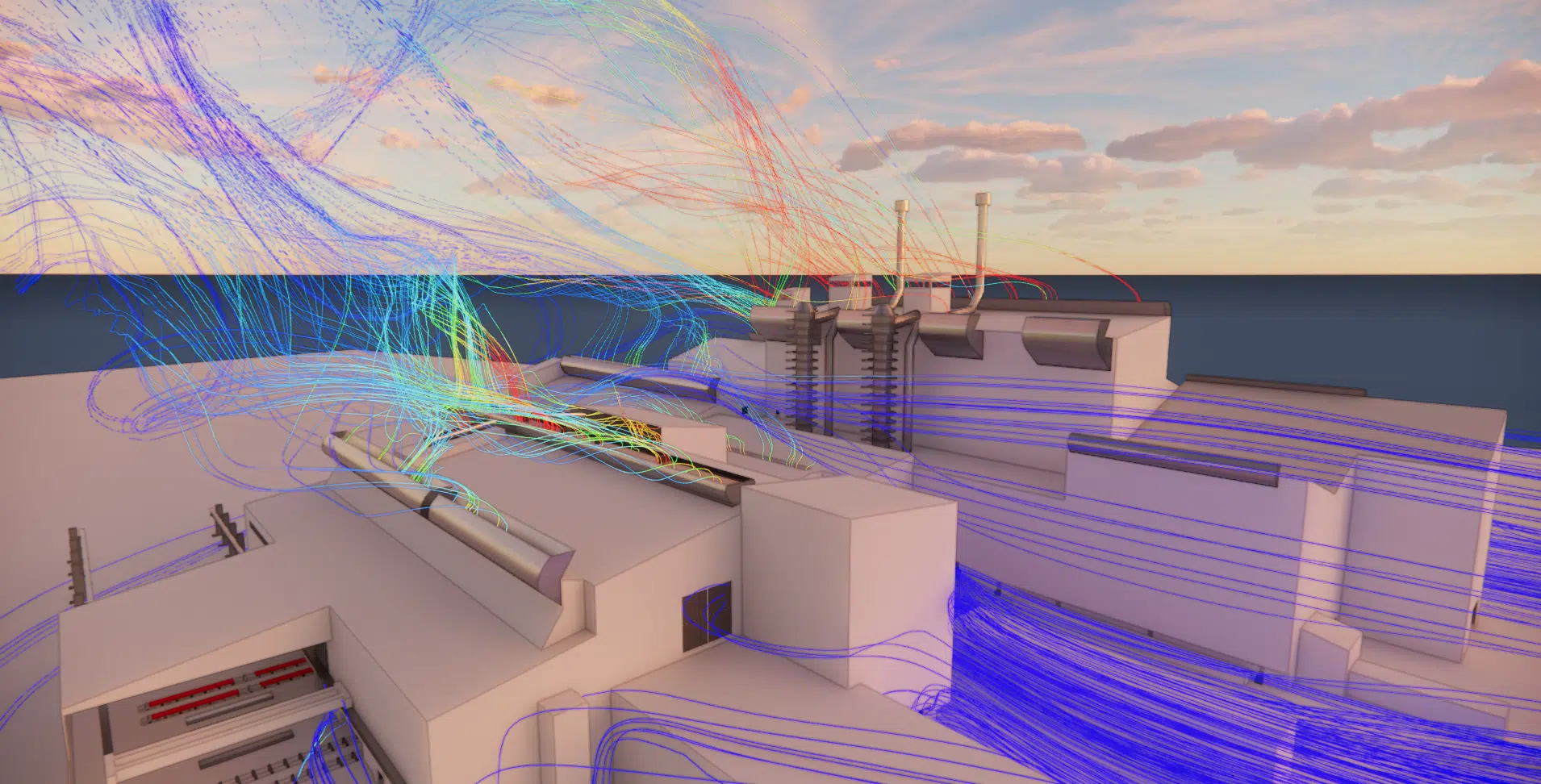
Compliance with occupational exposure limits (OEL)
Compliance with OEL is essential in environments where pollutants or gases are present. By ensuring optimal air renewal, natural ventilation keeps the pollutant concentration below the authorised thresholds. OEL studies also identify the PPE required in the most polluted areas, making natural ventilation an asset for the occupants' health.