Dust dynamics in the air: origins, dispersion, stakes
EOLIOS carries out the CFD study of dust and sand capture: site audit, source detection, impact study and sizing of extraction systems.
Diagnose
- Site audit & source detection
- Impact study
- Improve occupational hygiene
Capture
- Sizing of extraction systems
- Ensure capture efficiency
- Optimise the ductwork
Calculate
- Extraction of dust & smoke
- Capture of fine dust (clinker)
- Pressure-drop calculations
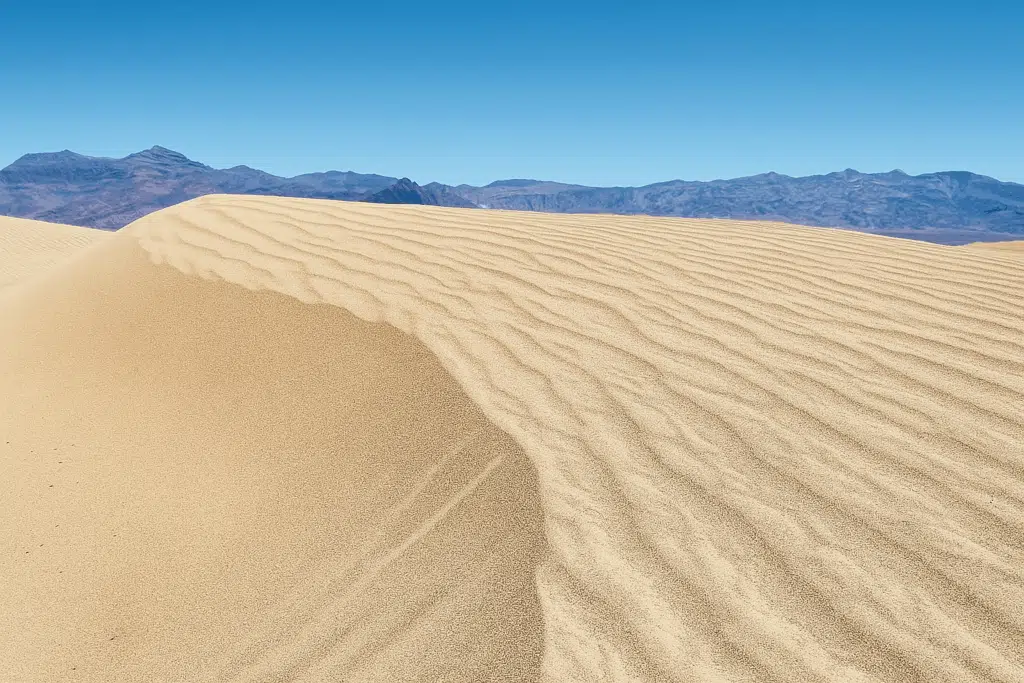
Natural and human origins
Dust consists of airborne particles with a diameter below 1,000 microns. Two origins are distinguished: natural (wind moving silt and sand, pollens, wind erosion, spores, sodium-chloride spray…) and from human activity (industry, heating, transport, agriculture…). Fine dust, with a diameter below 1 micron, is comparable to fumes, aerosols and smoke: its small size makes it difficult to filter and control.
Dispersion factors and environmental impact
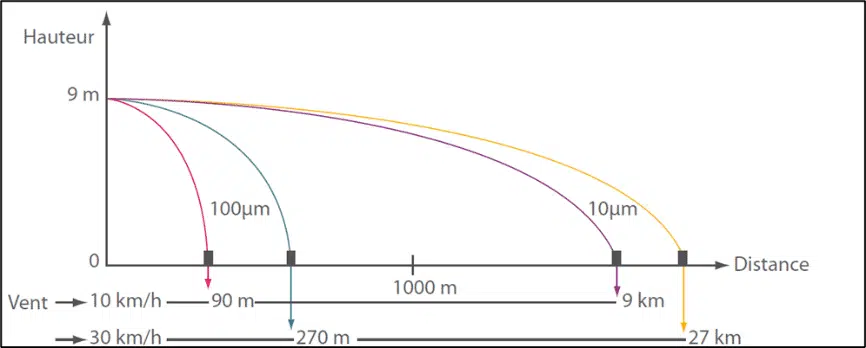
The tendency of dust to remain in suspension depends on the intrinsic properties of the materials — composition (alluvial, igneous, limestone), moisture content (hydrophobic or hydrophilic nature), weather conditions — and on the shape of the particles. The dominant characteristics are therefore the nature and the size, expressed by the particle-size distribution.
Effects of fine dust on health and the environment
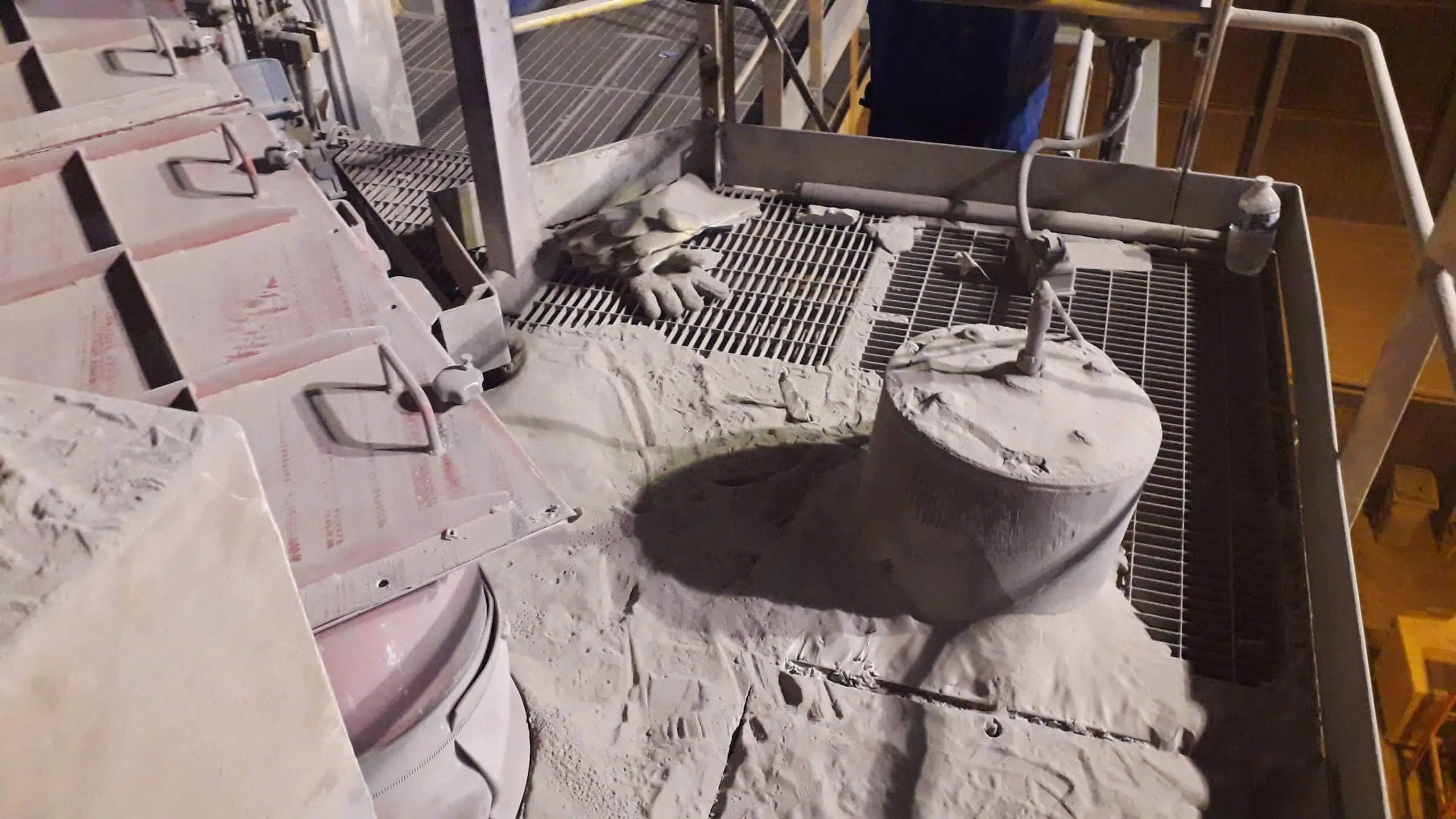
Controlling fine dust is a recurring issue in industry: dust can damage products, harm quality and cause costs or delays.
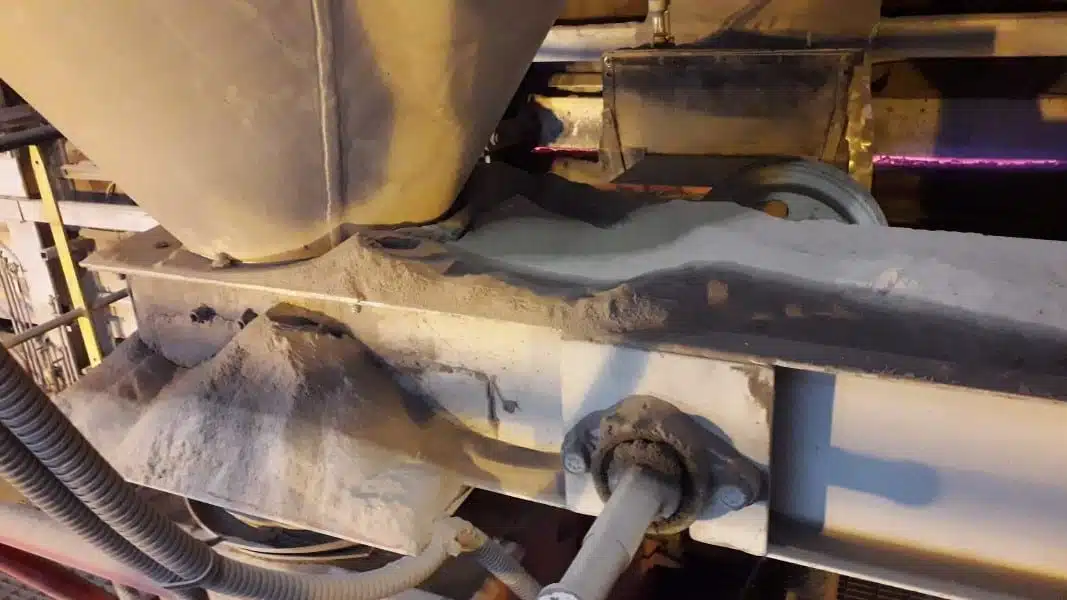
The health impact depends on the nature: mineral dust (steel, concrete) is more harmful than organic dust — it damages the respiratory tract and the cardiovascular system by entering the lungs and then the bloodstream. Staff exposed daily are more prone to respiratory problems, irritations and serious illnesses (lung cancer). Environmentally, dust pollutes soils, water bodies and vegetation, with harmful consequences for ecosystems.
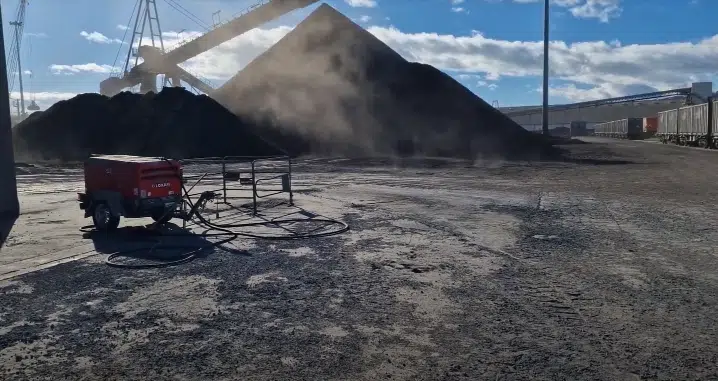
To limit fine particles, regulations set limit values: PM10 (< 10 µm) at 40 µg/m³ as an annual average, PM2.5 (< 2.5 µm) at 25 µg/m³ over the year.
Where does fine dust come from?
Fine dust appears in many industrial sectors:
- Wood: sawing, sanding, planing, cutting;
- Metallurgy: grinding, polishing, laser cutting, welding, foundry;
- Chemicals: mixing, grinding, sieving, drying, spraying;
- Paper & printing: cutting, grinding, ink spraying;
- Food: grinding, mixing, cooking, milling, packaging;
- Construction: demolition, drilling, sanding, cutting, crushing;
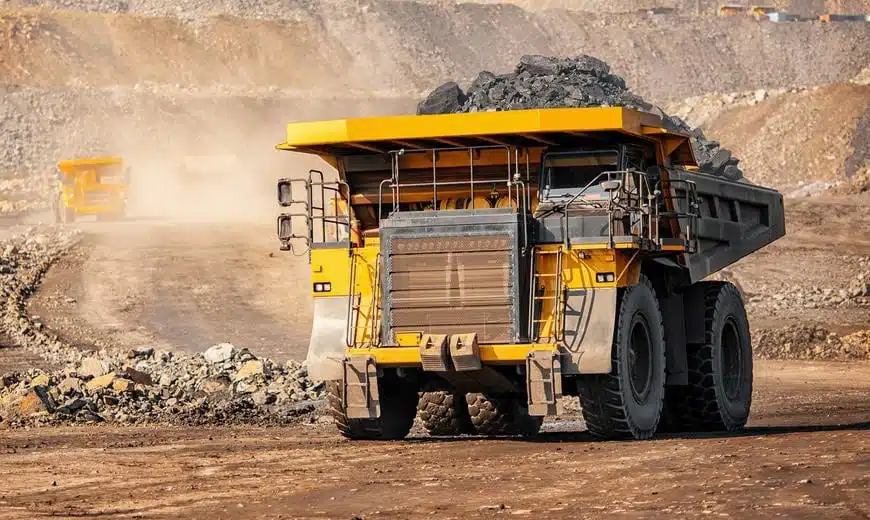
- Mining: extraction, crushing, grinding, sieving.
This dust can contain coal, quartz, lead, wood, iron, aluminium, copper, zinc, nickel… The greater the production, the larger the quantity of dust emitted, hence the need for suitable control and prevention measures. On top of these industrial sources is a background of natural aerosols (erosion) and of combustion or traffic dust.
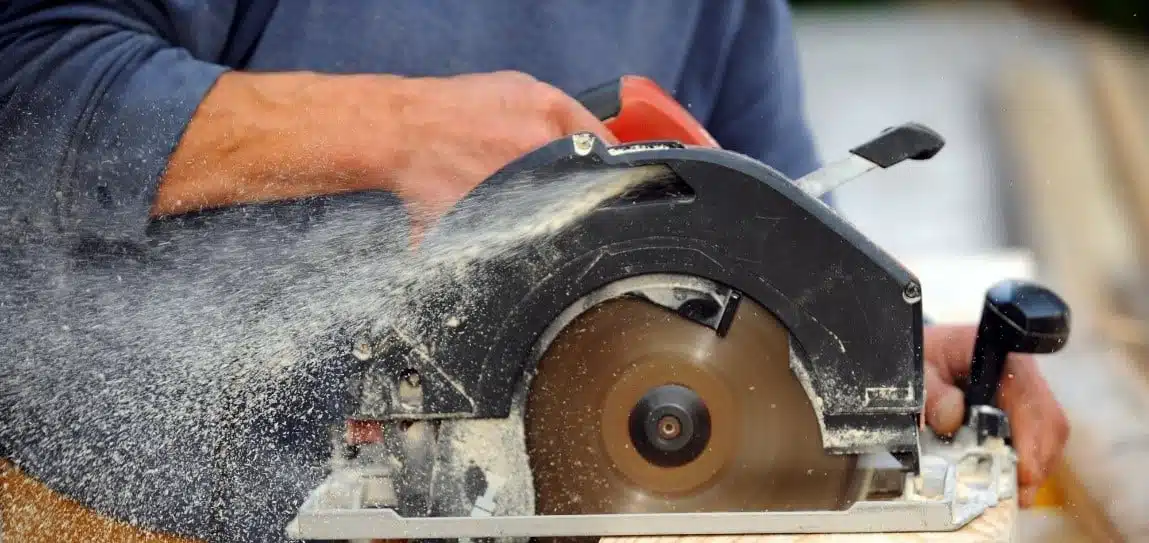
Factors influencing dispersion
- Particle size: the smaller the diameter, the longer the particle stays in suspension;
- Shape: a flat particle falls more slowly than a spherical one (the aerodynamic diameter governs the fall velocity);
- Product properties: the drier it is, the more it spreads in the air;
- Weather conditions: wind, dryness and precipitation play a major role.
The most unfavourable conditions: flat terrain, absence of vegetation, low humidity and precipitation, strong wind.
CFD simulation of fine dust & EOLIOS solutions
CFD simulation of fine dust
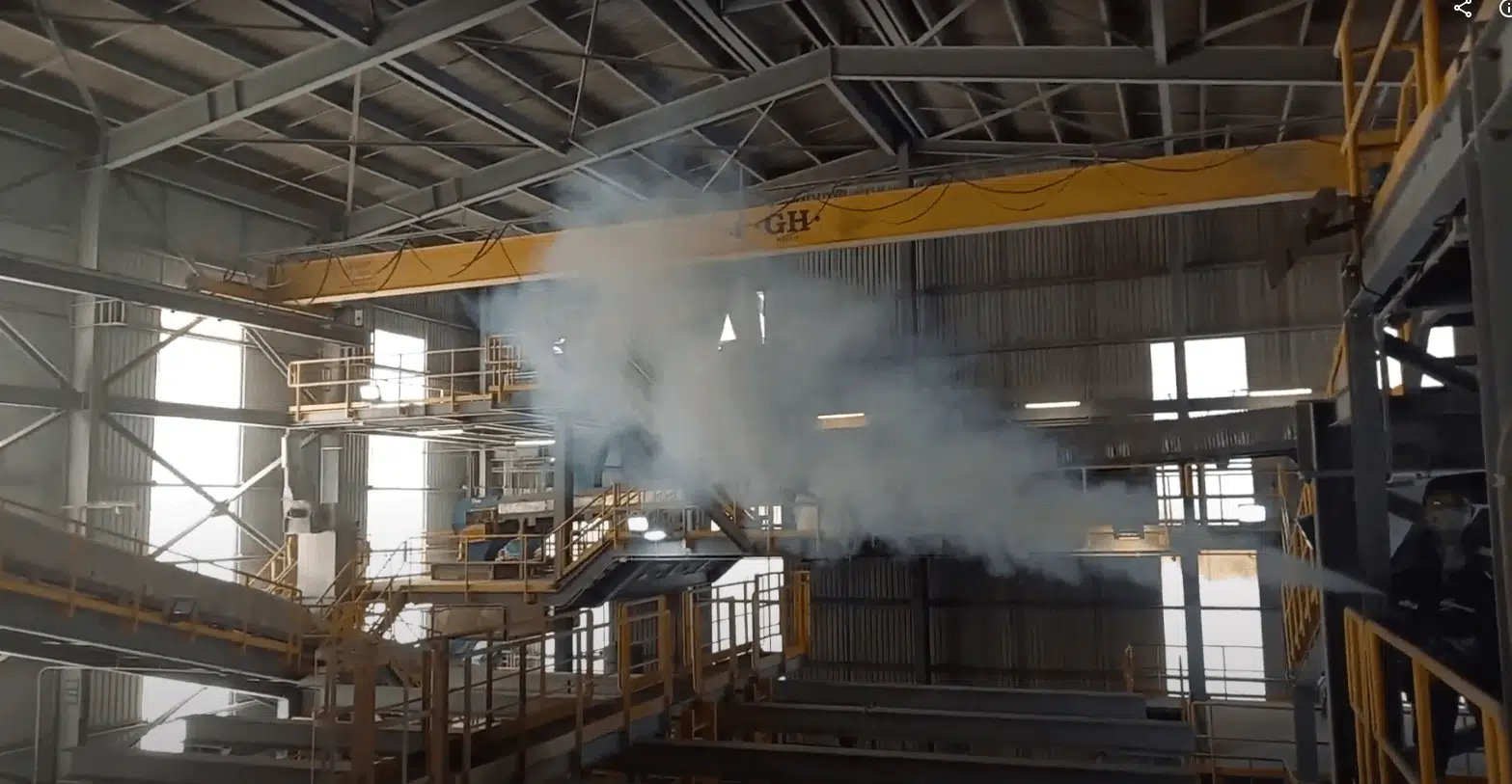
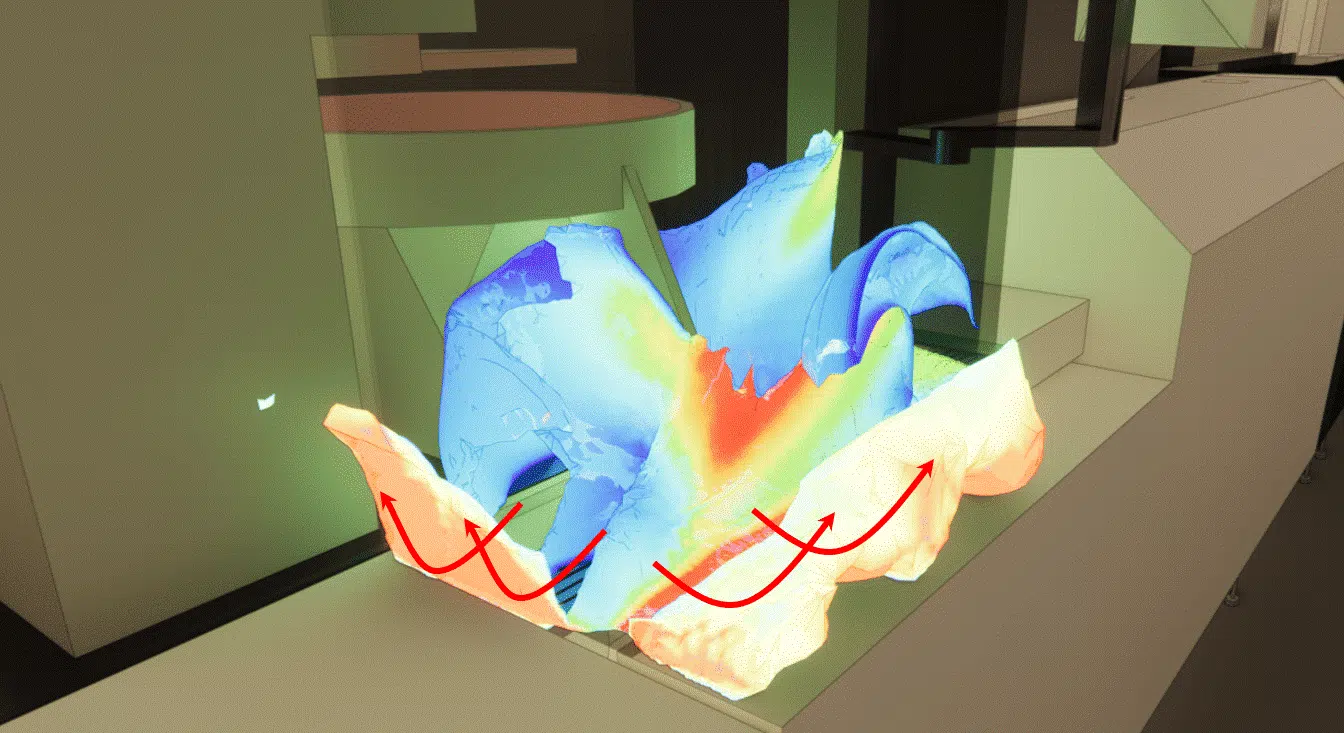
CFD simulation studies the airflow precisely to trace the dust in the air, its diffusion through space and its interactions with structures and systems. We carry out sizing studies at the scale of the plant or of a system, comparing design variants for optimal capture. The simulation models the behaviour of the air and the particles to predict their distribution, and determines the times needed to limit the diffusion — minimising the risks to staff and production.
Solutions offered by EOLIOS
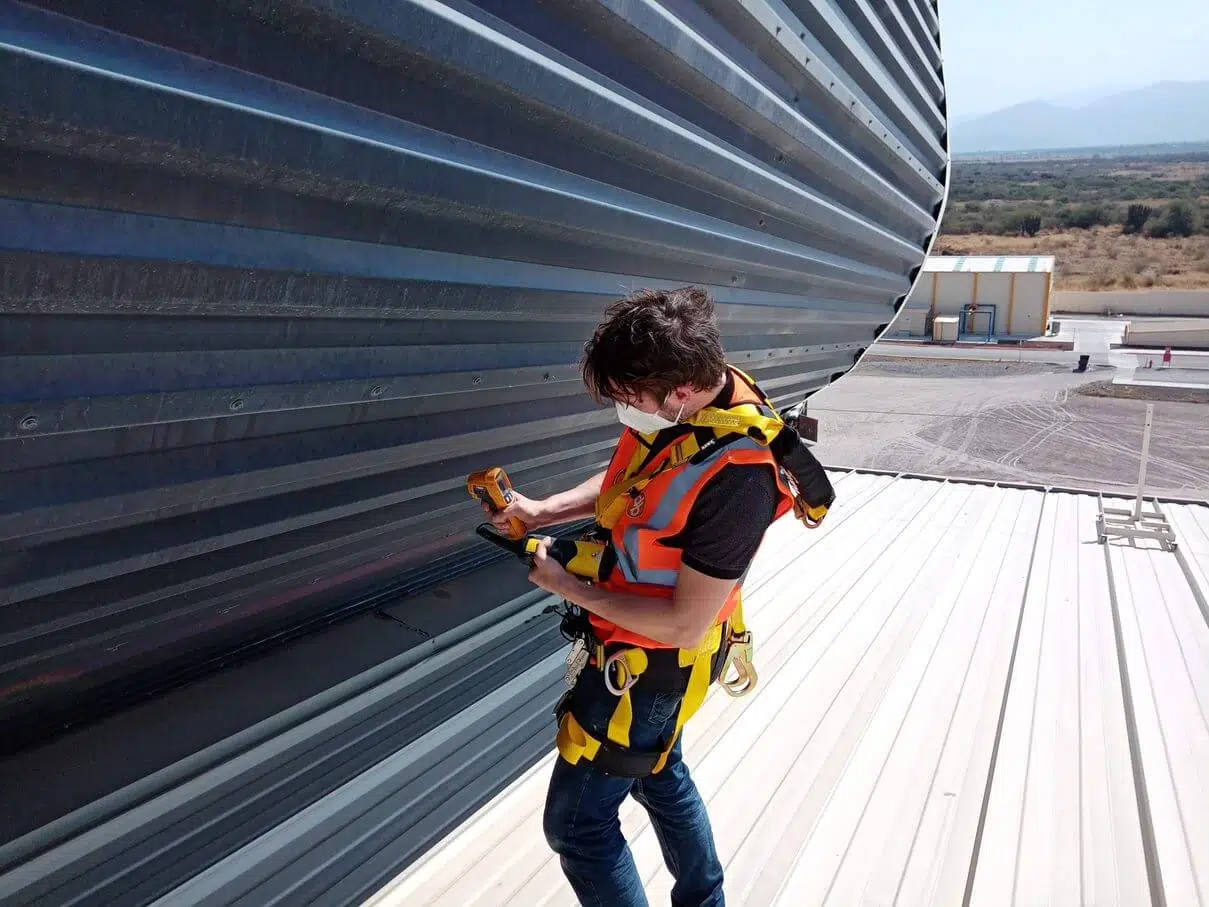
EOLIOS provides solutions across all the processes studied, taking into account all the systems that make them up — a large-scale analysis made possible by CFD. We carry out internal studies (buildings, plants) as well as external ones (city, conurbation, port…), or targeted on a single process. Our on-site measurement campaigns quantify the emissions and determine the air quality, before a multi-criteria sizing of the capture systems.