CFD simulation of glassworks
EOLIOS has unique know-how in Europe for the CFD simulation of glassworks. The optimisation of thermo-airflow flows is a decisive factor in the overall efficiency of a plant.
Model
- Air velocities & thermo-airflow exchanges
- Operator comfort
- Natural ventilation
Clean up
- Tracking of pollutant extraction
- Dust studies
- Fan sizing
Optimise
- Energy optimisation of the line
- Thermal-shock risks
- Network pressure drops
CFD, an approach to optimisation and quality
Tomorrow's production must meet high standards: energy efficiency, production assurance, reduction of costs and errors. Particular care is taken to guarantee the highest quality standards, in new plants as well as in existing plants undergoing a continuous optimisation process. CFD simulation is a new global design approach that enables the optimisation of glassworks and the achievement of objectives.
What is CFD applied to glassworks?
CFD stands for Computational Fluid Dynamics: a mathematical calculation and a visualisation of fluid dynamics. This technology analyses air currents of all kinds and recognises their behaviour and influence. Like a virtual wind tunnel — as in the automotive industry — it makes it possible to analyse and optimise a glassworks in its entirety.
The different types of glass production
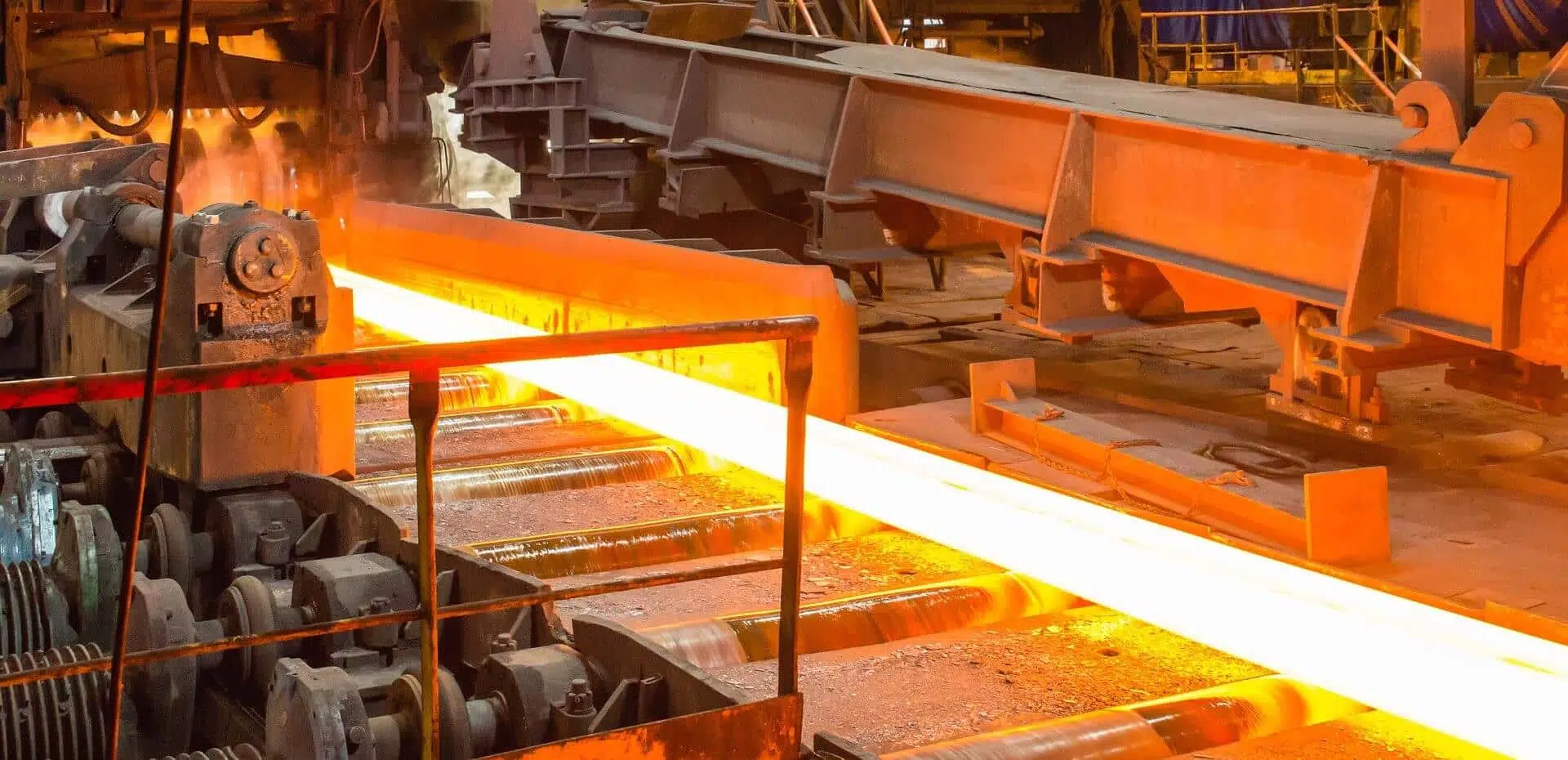
Glass manufacturing involves several activities: mass production of flat glass (glazing, windscreens), hollow glass (bottles, tableware, laboratory utensils), glass fibres (insulation); manufacturing of technical glass (lenses, tubes); and art objects (vases, sculptures, flasks) in glass paste or crystal. All of them use furnaces to obtain molten glass, exposing workers to high heat, infrared rays and many chemicals. The detailed modelling of these phenomena by CFD makes it possible to study their overall impact on the process and the operators.
CFD simulation to optimise production
The design of glassworks or steelworks buildings is often based solely on experience and the space needs of the machines: the building is considered a mere envelope, and the impact of its design on the process is observed too late. These sizing errors can lead to an insufficient air supply (systems, compressors, static-ventilator extraction) and an unwanted air circulation in zones detrimental to the process. The outdoor climatic conditions (wind, heatwave) are also simulated, ensuring better operator comfort in summer and winter alike.
CFD modelling of physical phenomena
- radiation effects;
- air and wind movements;
- movement of pollutants;
- sizing of installations & HVAC;
- risks of overheating and fire;
- energy optimisation.
Designing the systems precisely
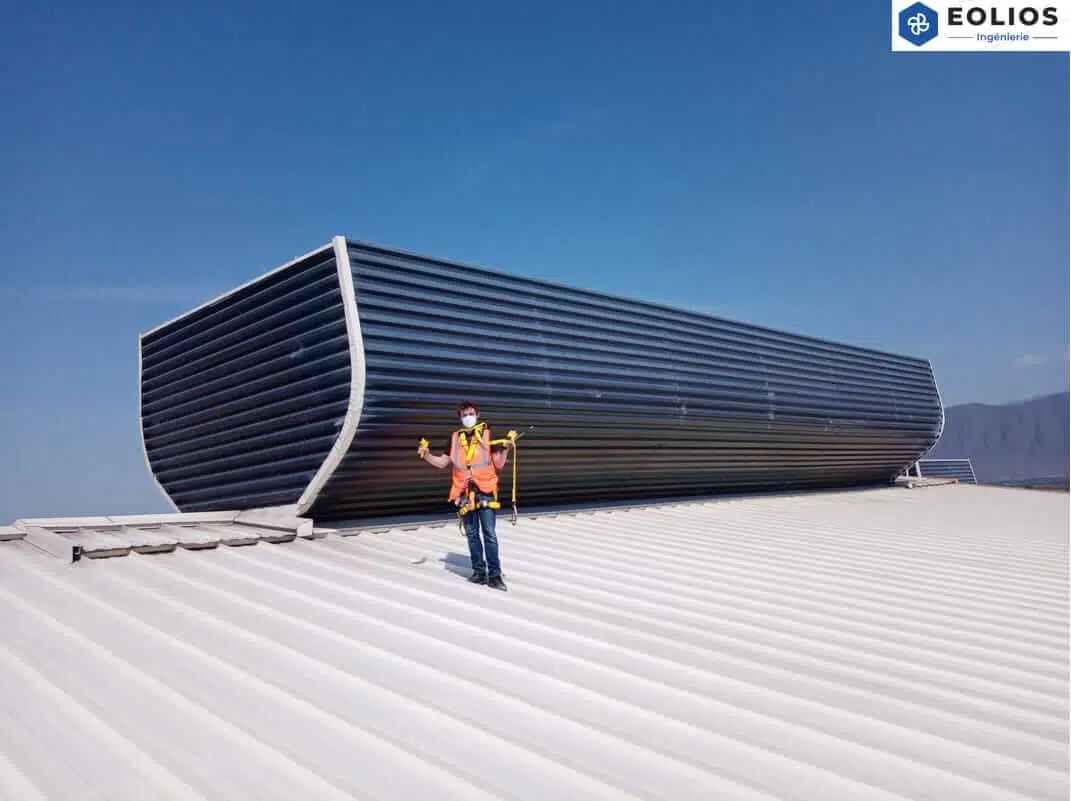
The smoke and dust from the airborne raw materials expose glassworkers to respiratory conditions. CFD reproduces the air movement taking into account heat and mass transfers, gaseous impurities and their dispersion, as well as the suspended mechanical particles. It makes it possible to precisely design the natural ventilation and the sizing of static ventilators, incorporating overheating risks, the air supply of the compressors and the dissipation of pollutants — without disrupting the process.
Impact on product quality
Cool-air movements on the process line
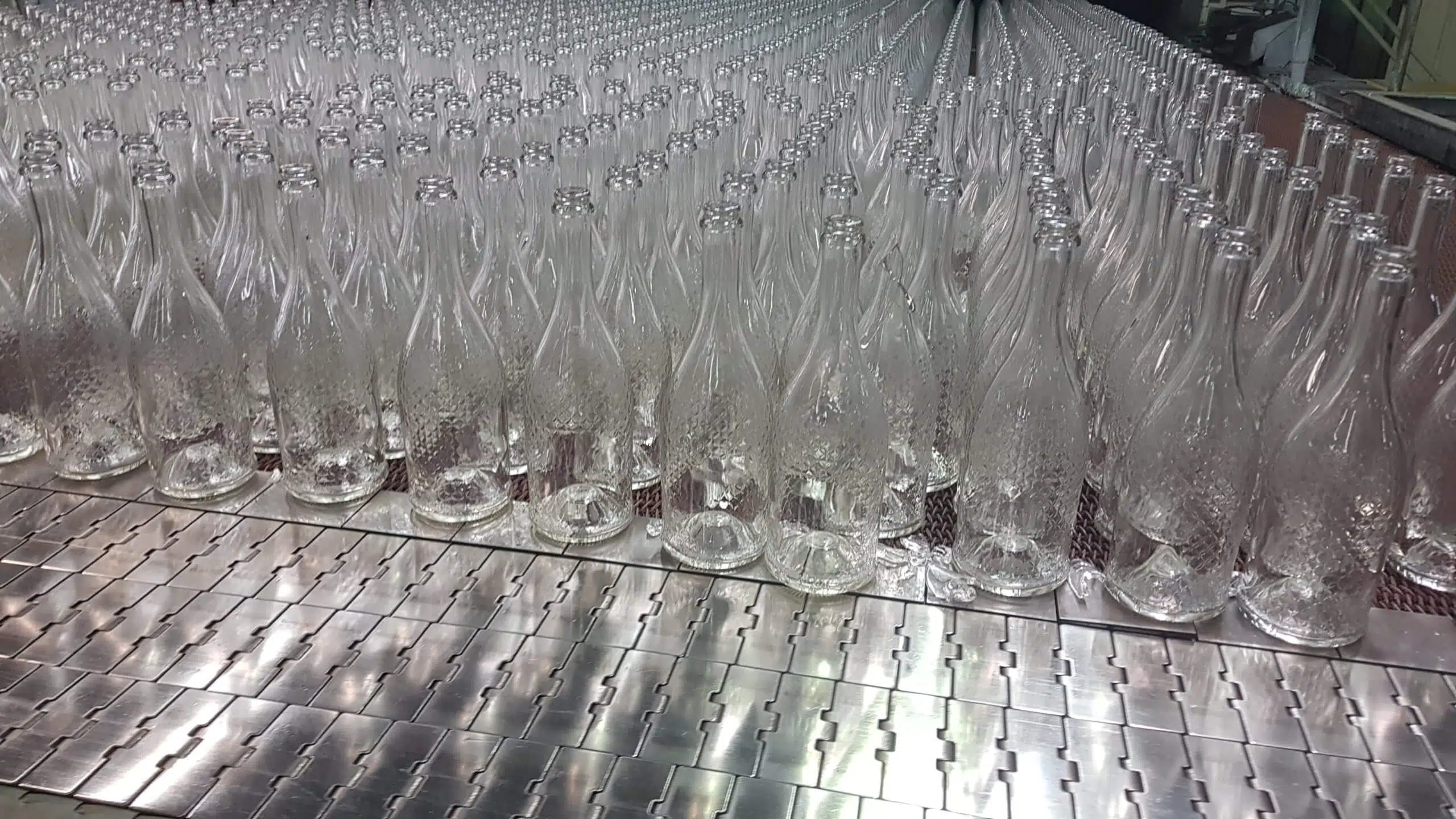
A higher glass quality and a lower reject rate of the final product are the objectives of every glassmaker. Glass is sensitive to thermal shocks after moulding: the stresses and defects result from direct contact of the hot glass with unwanted cold draughts. CFD analyses the influence of the airflow movements on the finished product — these phenomena, invisible at the design stage, having a major impact — and makes it possible to optimise the production line, the air quality and the comfort of the operators.
Easy-to-access collaboration tools
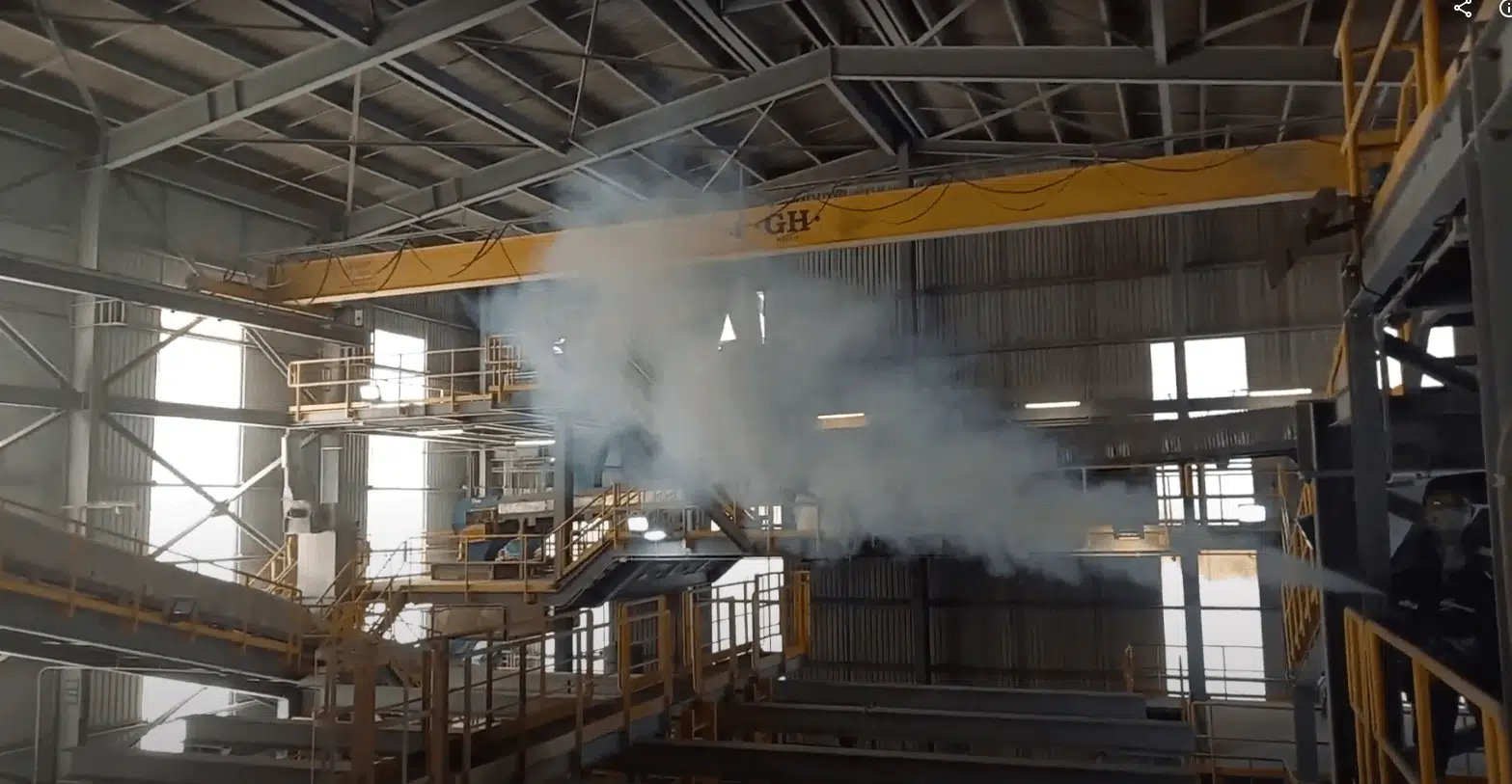
Our models are delivered via shareable interactive 3D viewers: tracking of lubrication pollutants at the output of the IS machine, diffusion of a grease mist, optimisation of the air quality and operator comfort — accessible to all the project stakeholders.