
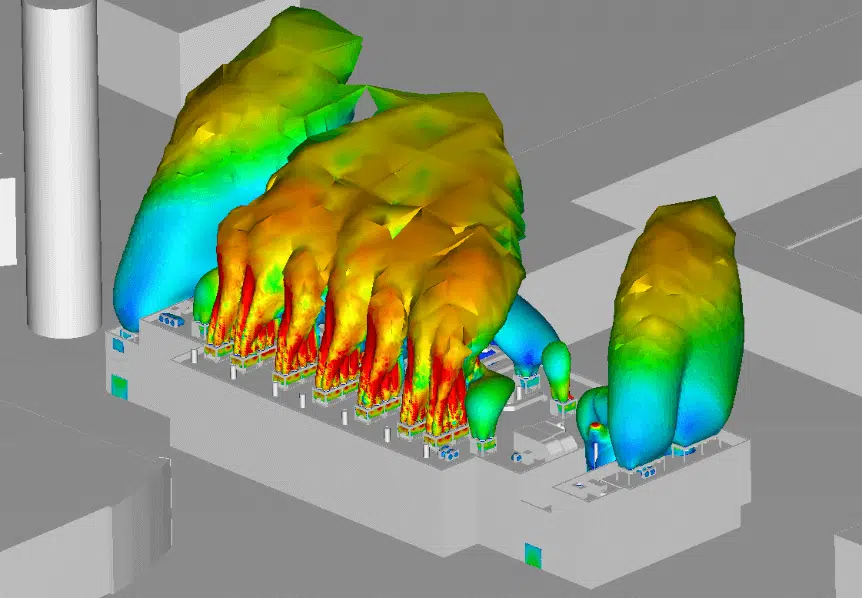
External study of the thermal-airflow flows of a data center and the impact of the generators: overview of the thermal plume and its effect on the dry coolers.
EOLIOS Engineering provided an overview of the thermal-airflow conditions of the thermal plume of a data center and its generator on the dry coolers.
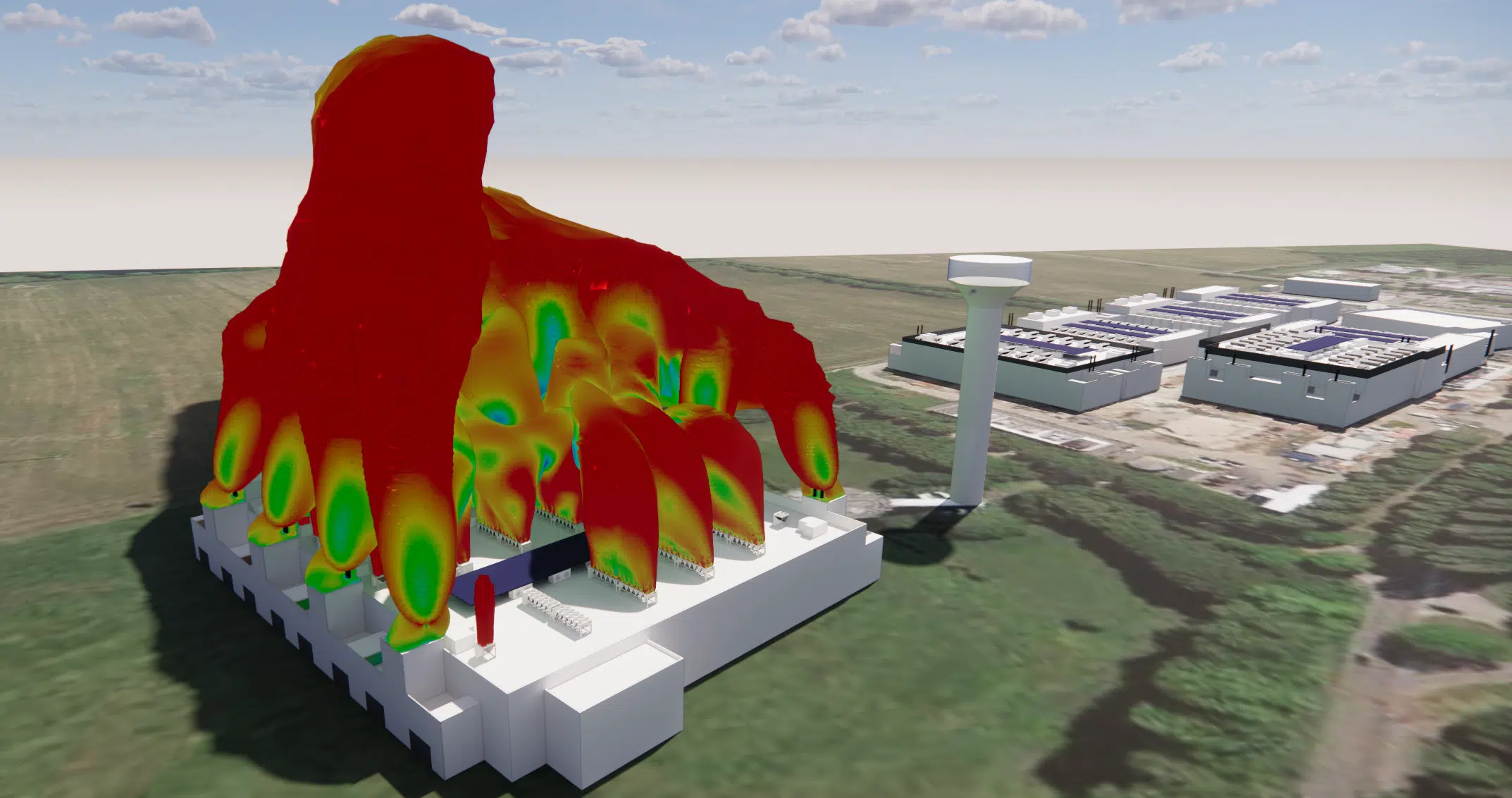
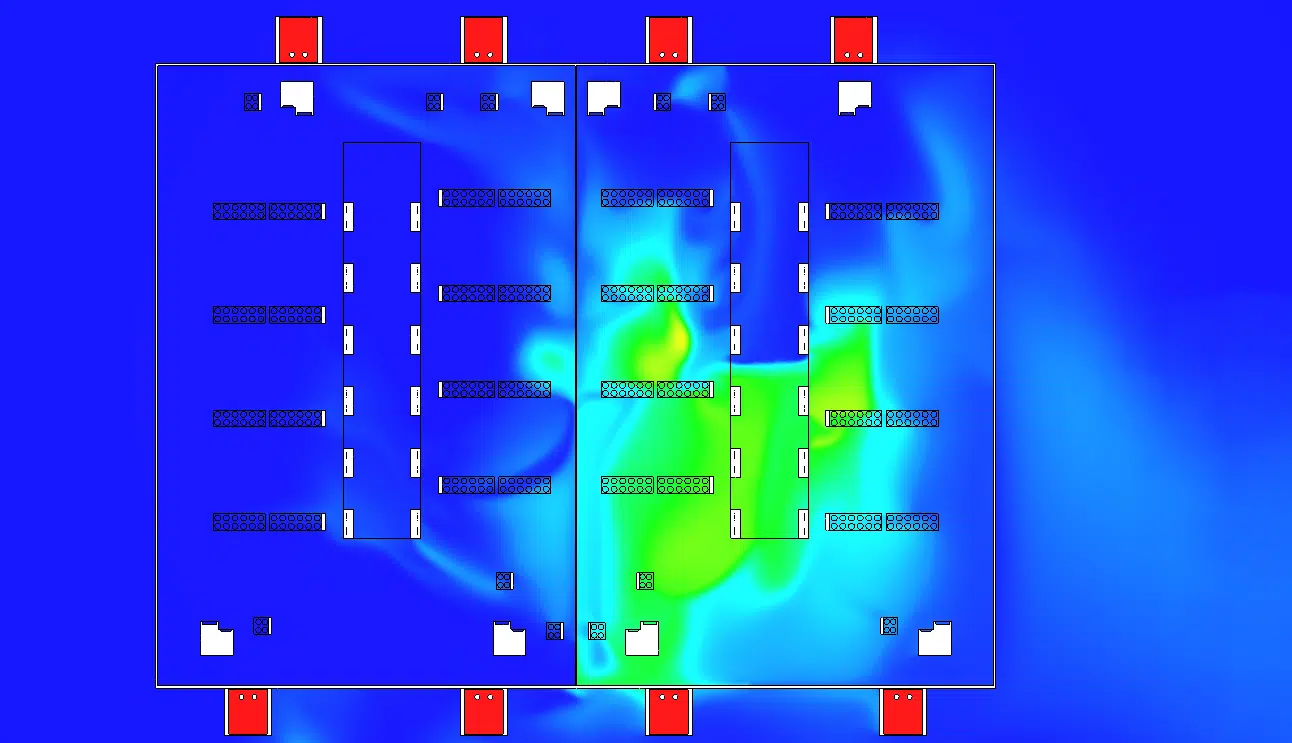
The essentials. External CFD study of a data center: the thermal plume of the backup generator and its impact on the rooftop dry coolers. The simulation, run over a 500 m perimeter with a wind-tunnel-type profile, revealed a short-circuit (hot generator gases re-ingested by the dry coolers) and hot spots; solutions were proposed to eliminate it before construction.
This project posed several technical challenges during the design and construction phase. One of them was the discharge of hot air and smoke from the cooling devices and the backup generators. The relatively small space available makes it less obvious that the fresh air, the exhaust air and the smoke of the data facility are always kept separate.
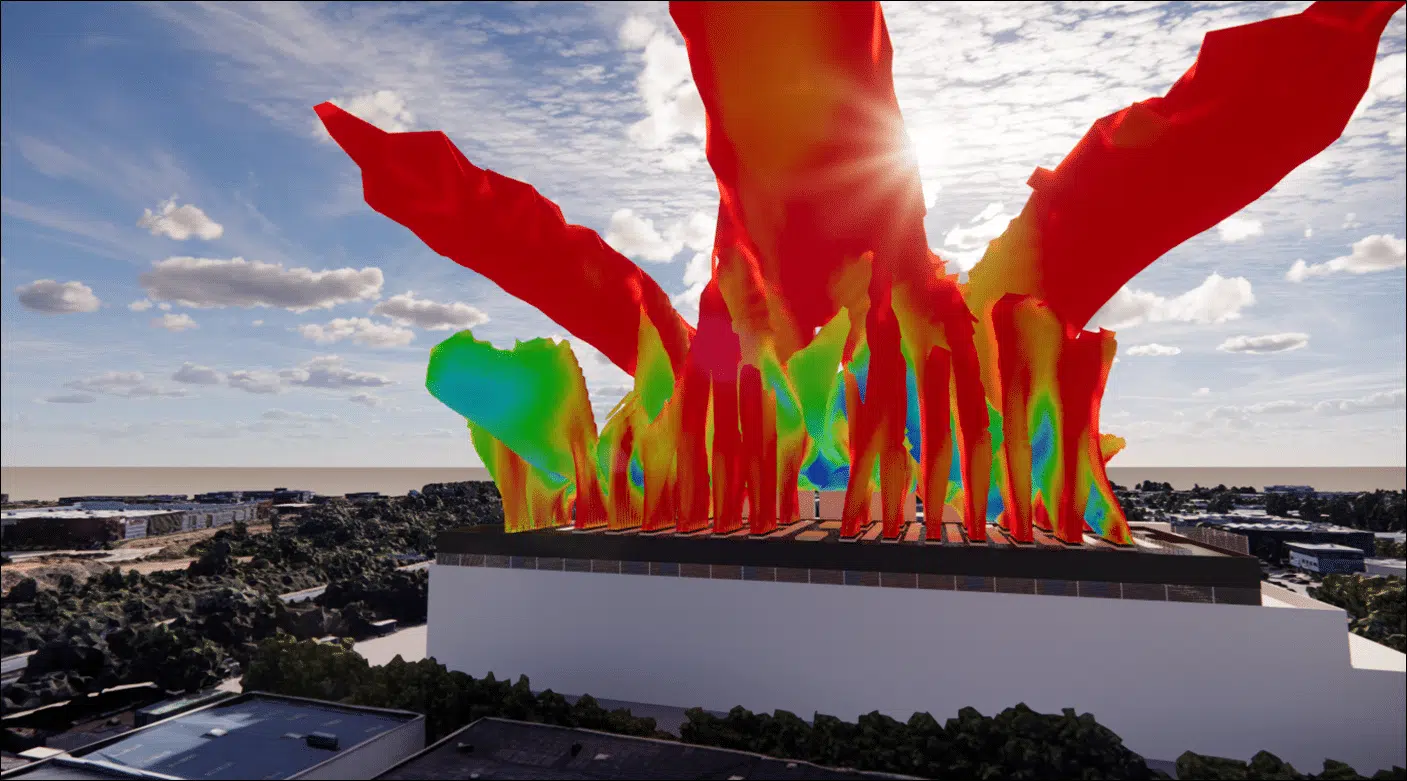
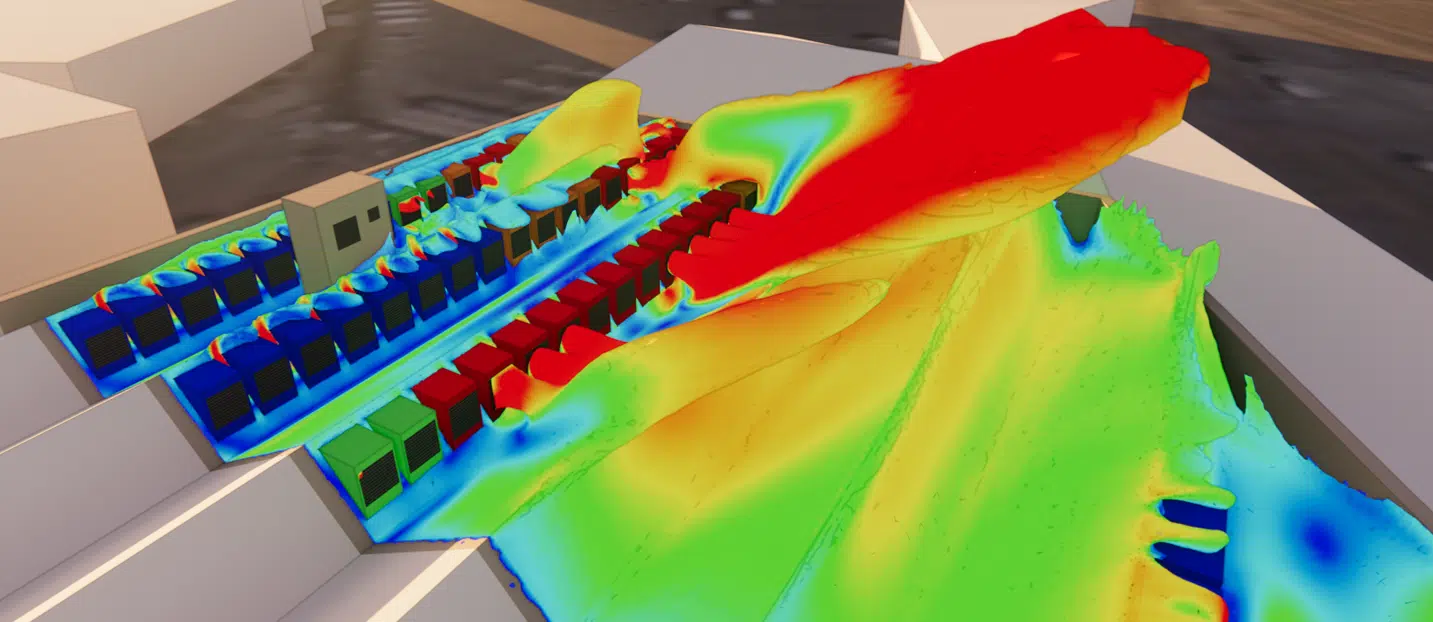
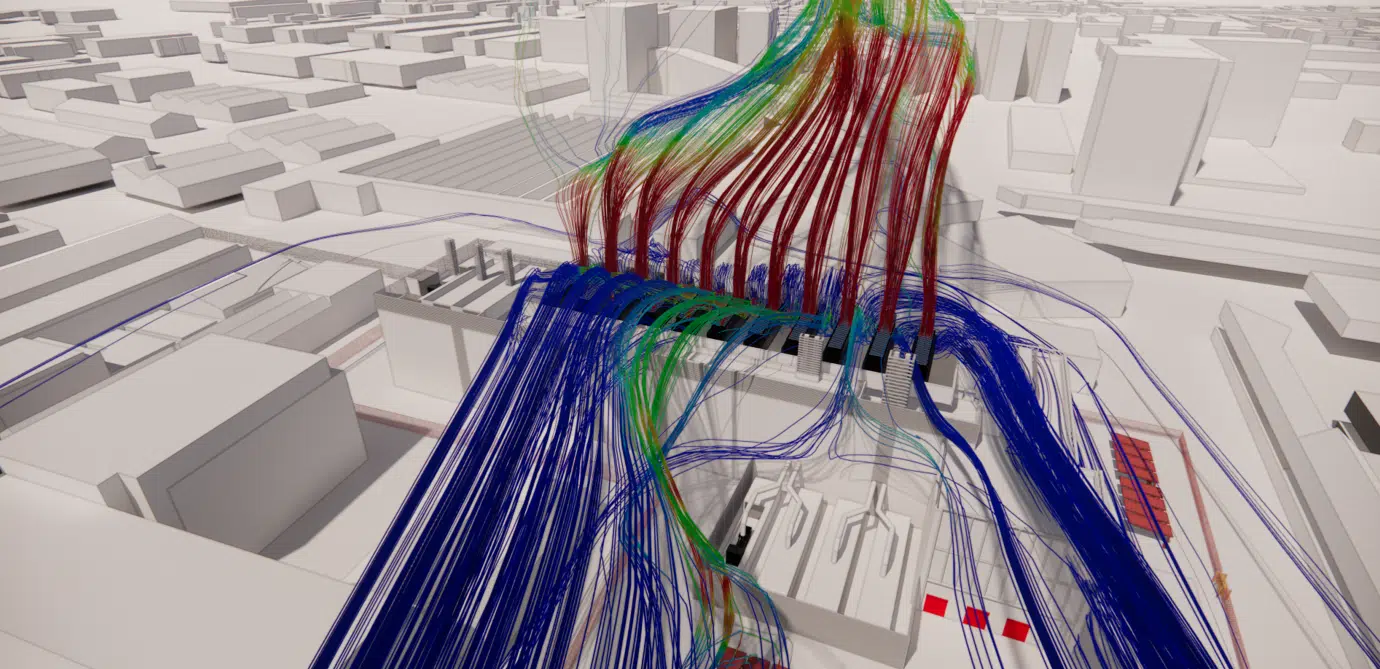
Volume of hot air released by a source (generator, dry cooler) that rises and deforms under buoyancy and wind. Its trajectory governs the risk of re-ingestion by neighbouring systems.
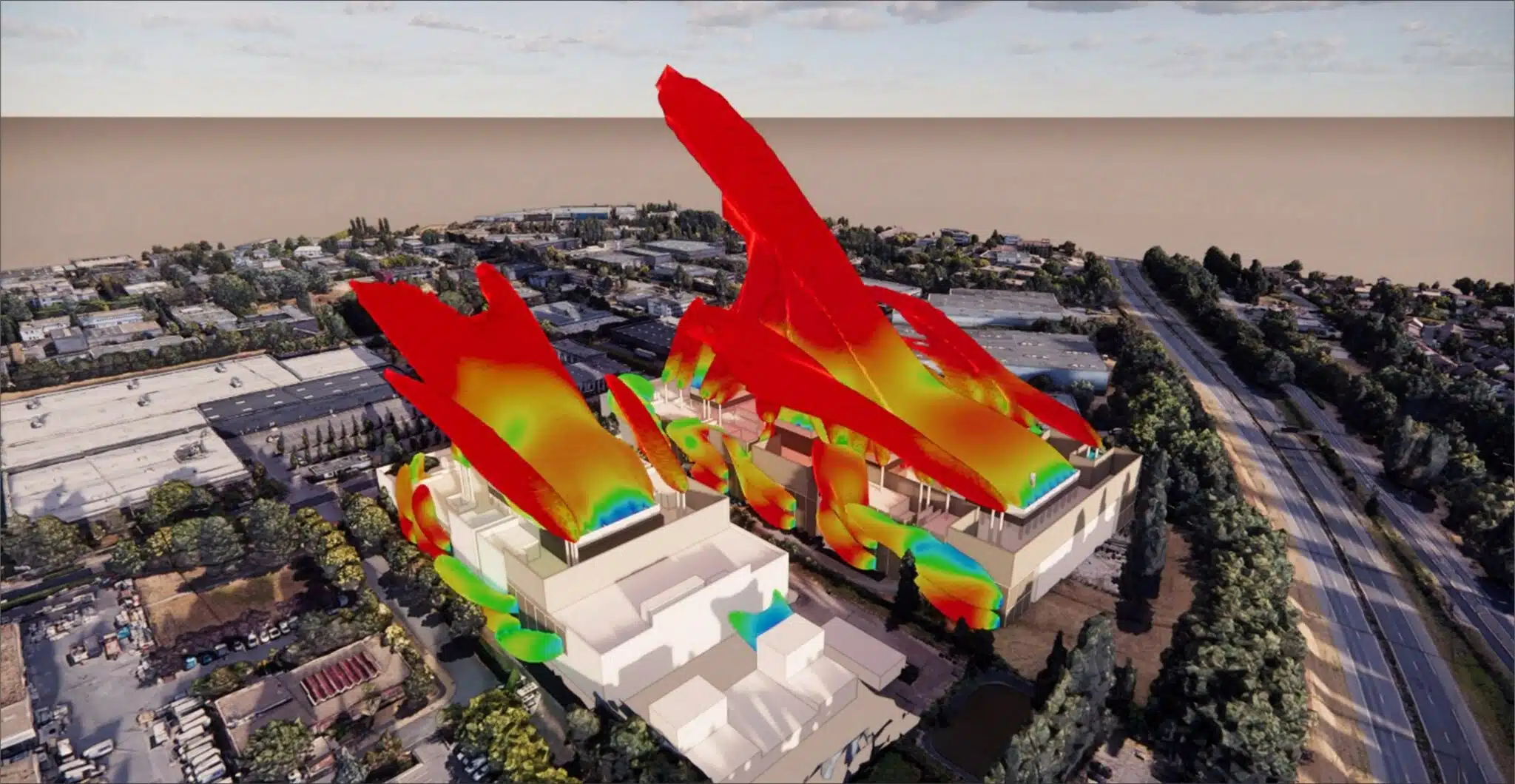
So, during the CFD modelling, the vertical profile of the wind velocities is extremely important. It depends mainly on the degree of roughness of the environment — the tendency of buildings, trees and obstacles to slow the wind. Across the entire thickness of the atmospheric boundary layer, the wind velocity increases as one moves away from the ground. To take the wind shear into account, we use a methodology similar to a physical wind tunnel, considering the urban environment within a 500 m perimeter around the site and applying a site-dependent velocity profile. This makes it possible to assess the impact of the thermal plumes under different wind configurations.
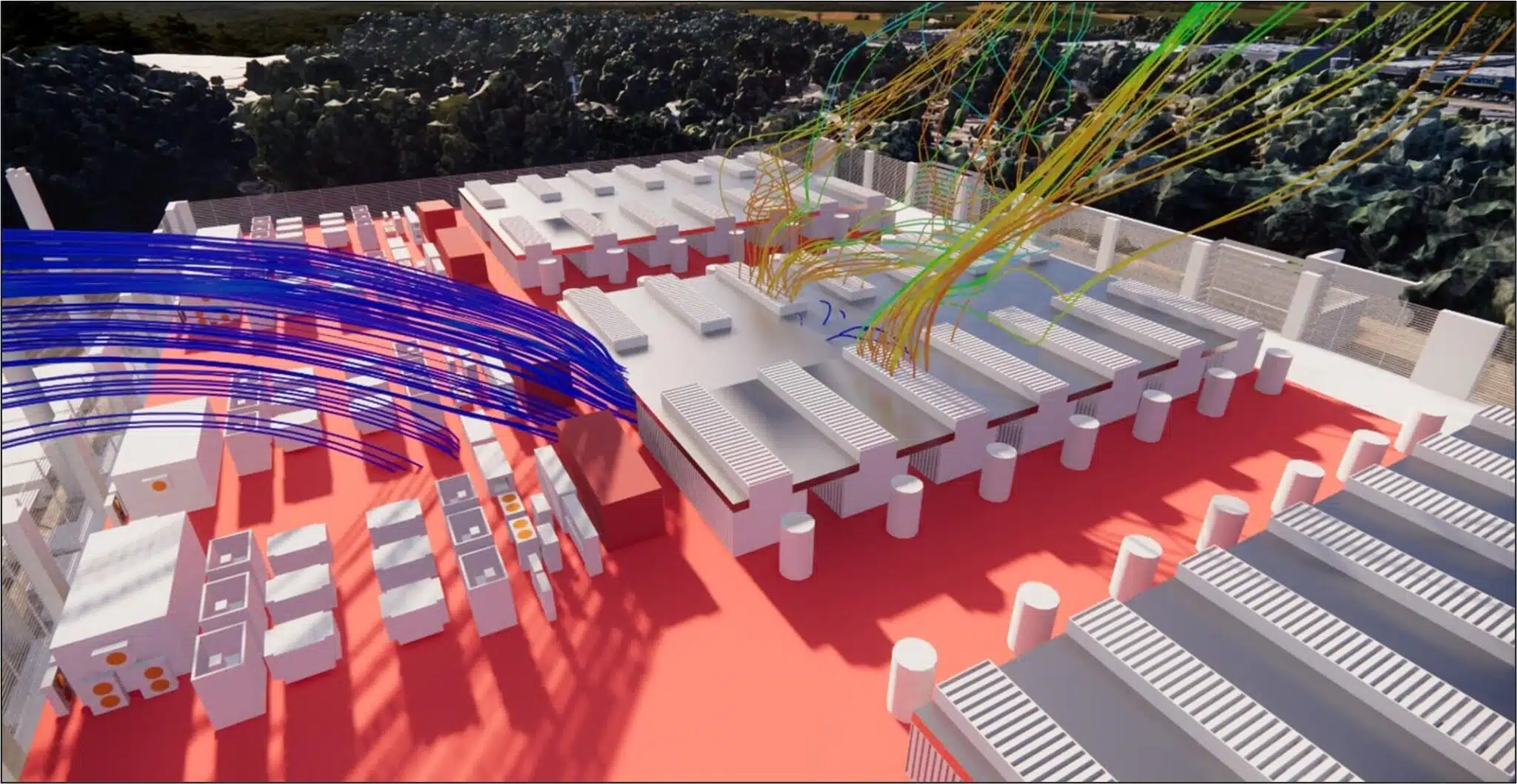
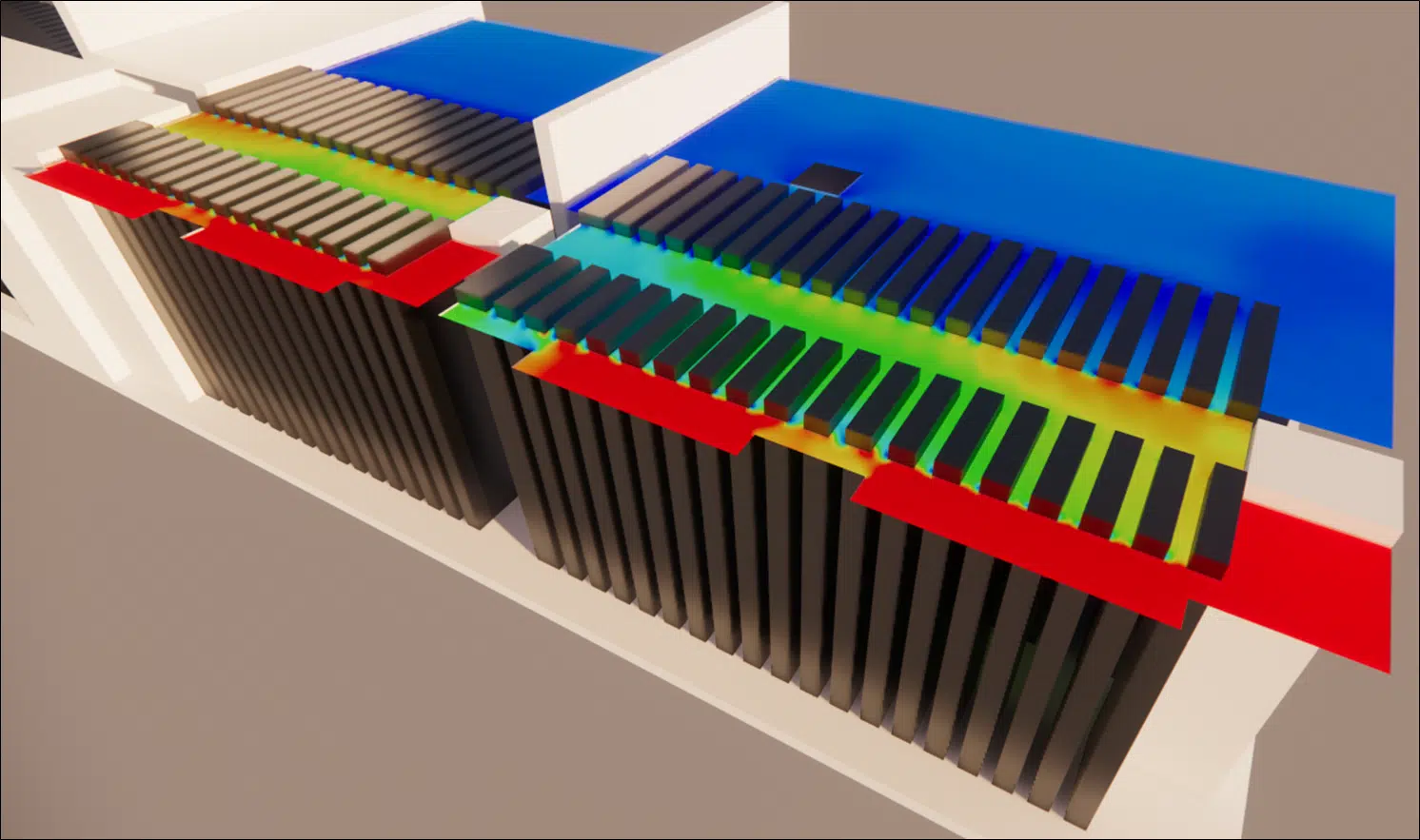
CFD simulation revealed the presence of a short-circuit between the generator and the dry coolers: the hot gases released by the generator are reabsorbed by the dry coolers. This is problematic for the operation of these heat exchangers, as the absorbed air must continuously stay within the correct temperature range. Improvement solutions were proposed to prevent any short-circuit, and therefore any malfunction.
Re-ingestion, by a dry cooler, of part of the hot air released nearby (here the generator gases). It raises the intake temperature and pushes the exchanger out of its operating range.
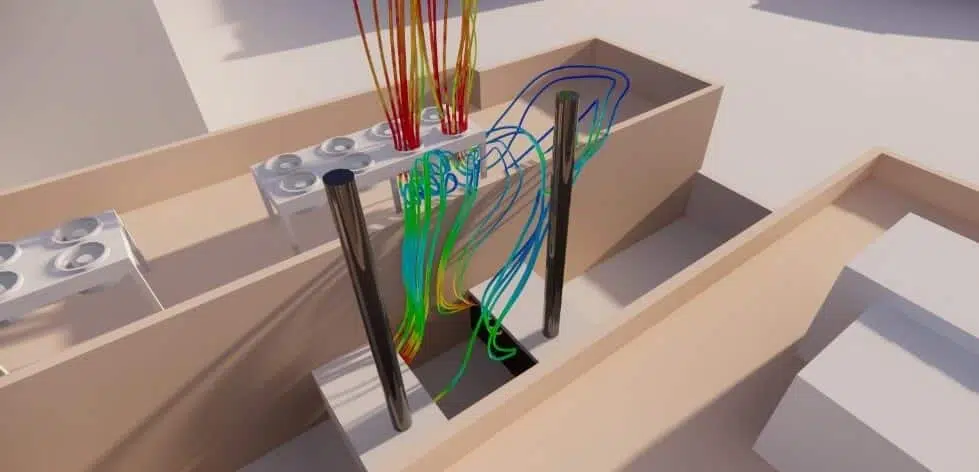
Numerical simulations contribute to a better understanding of the thermal-airflow phenomena. The major value of CFD is to predict and check every eventuality in order to develop relevant technical solutions. Thanks to the compute servers EOLIOS owns, the models can be simulated in full with great precision. This makes it possible to simultaneously analyse the impact of many phenomena on the external thermal-airflow evolution of the data center, and notably made it possible to highlight design flaws that could be rectified.
A localised zone of abnormally high temperature on a data center roof, caused by poor exhaust or re-ingestion of hot air. It threatens the operating range of the dry coolers.
Key takeaway. CFD makes it possible to analyse, predict, verify and correct any design error. A fast, precise method that saves time and costs, with concrete, reliable results.
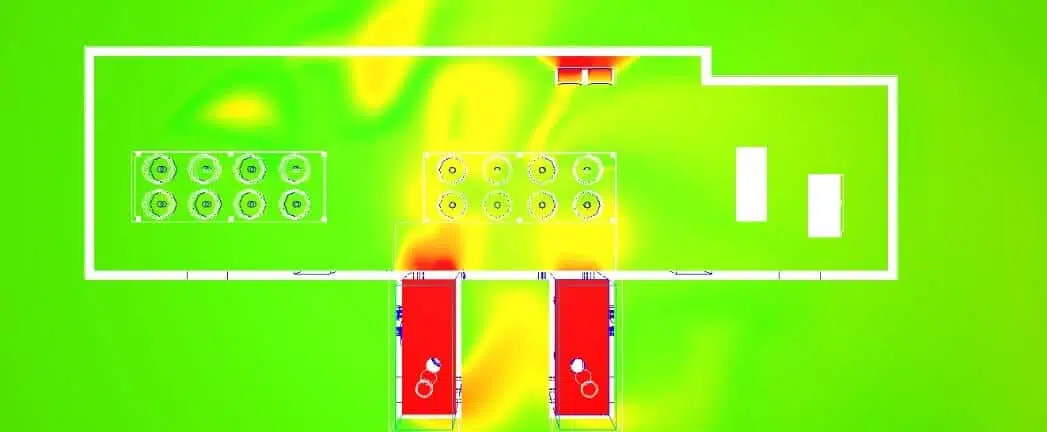
Thanks to the study's conclusions, we were able to propose suitable solutions to the design teams to solve these issues. Integrating CFD from the design stage means calling on experts to ensure that no problem arises in the future.
Know-how: external CFD simulation for data centersThermal plume, short-circuit and hot spots: answers to the questions asked by operators and design teams.
To analyse, by external CFD simulation, the thermal plume of a data center and the impact of its generator discharge on the rooftop dry coolers, as on our project DC25 & DC26.
The re-ingestion, by the dry coolers, of the hot gases released by the neighbouring generator. The intake air then leaves the correct temperature range, which degrades the cooling.
To reproduce the wind shear and the atmospheric boundary layer with a method close to a physical wind tunnel, and assess the impact of the plumes under the various wind orientations.
CFD highlighted the design flaws behind the short-circuit and the hot spots; improvement solutions were proposed to the teams to correct them before construction.
It makes it possible to analyse, predict, verify and correct errors before construction. A fast, precise method that saves time and costs, with reliable results.
Explore our expertise, projects and technical papers to go further than the FAQ.
 Digital twinData center study – Data Hall and UPS rooms
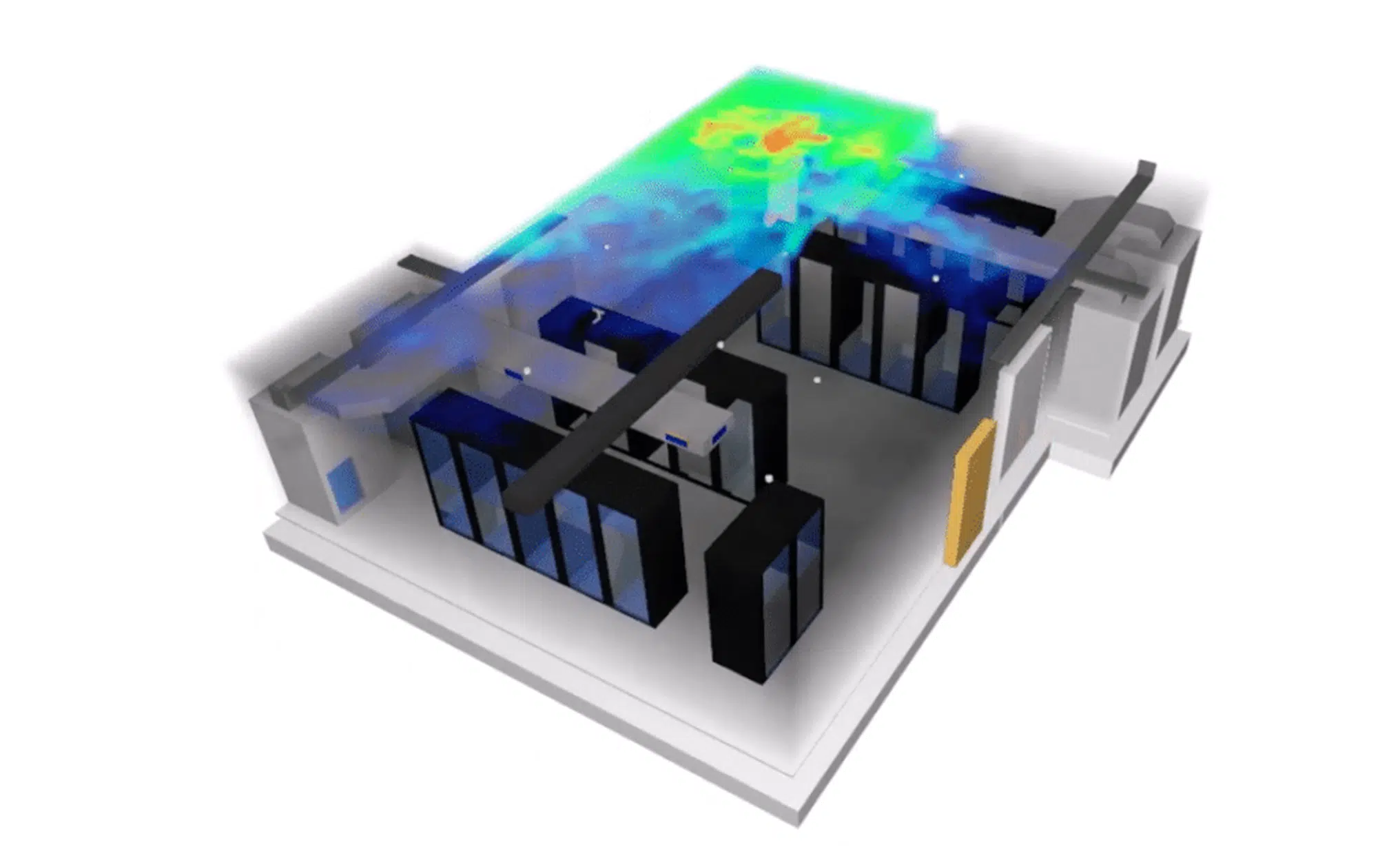 Smoke controlSmoke-control engineering in a data center
 HyperscaleExternal & internal CFD – Hyperscale Data Center
 OptimisationCFD optimisation – Data Center
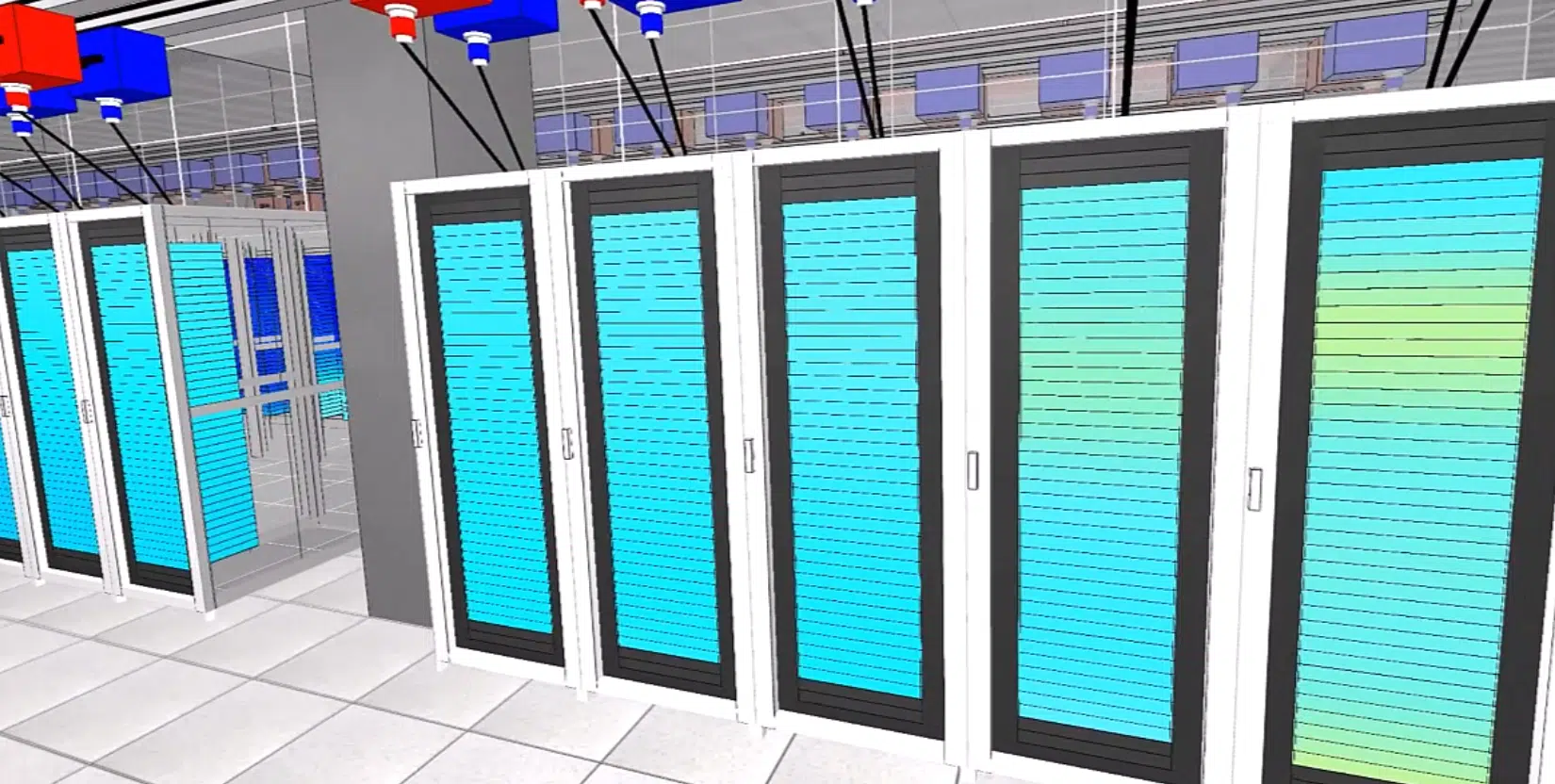 InternalData Center – DC28 – Internal
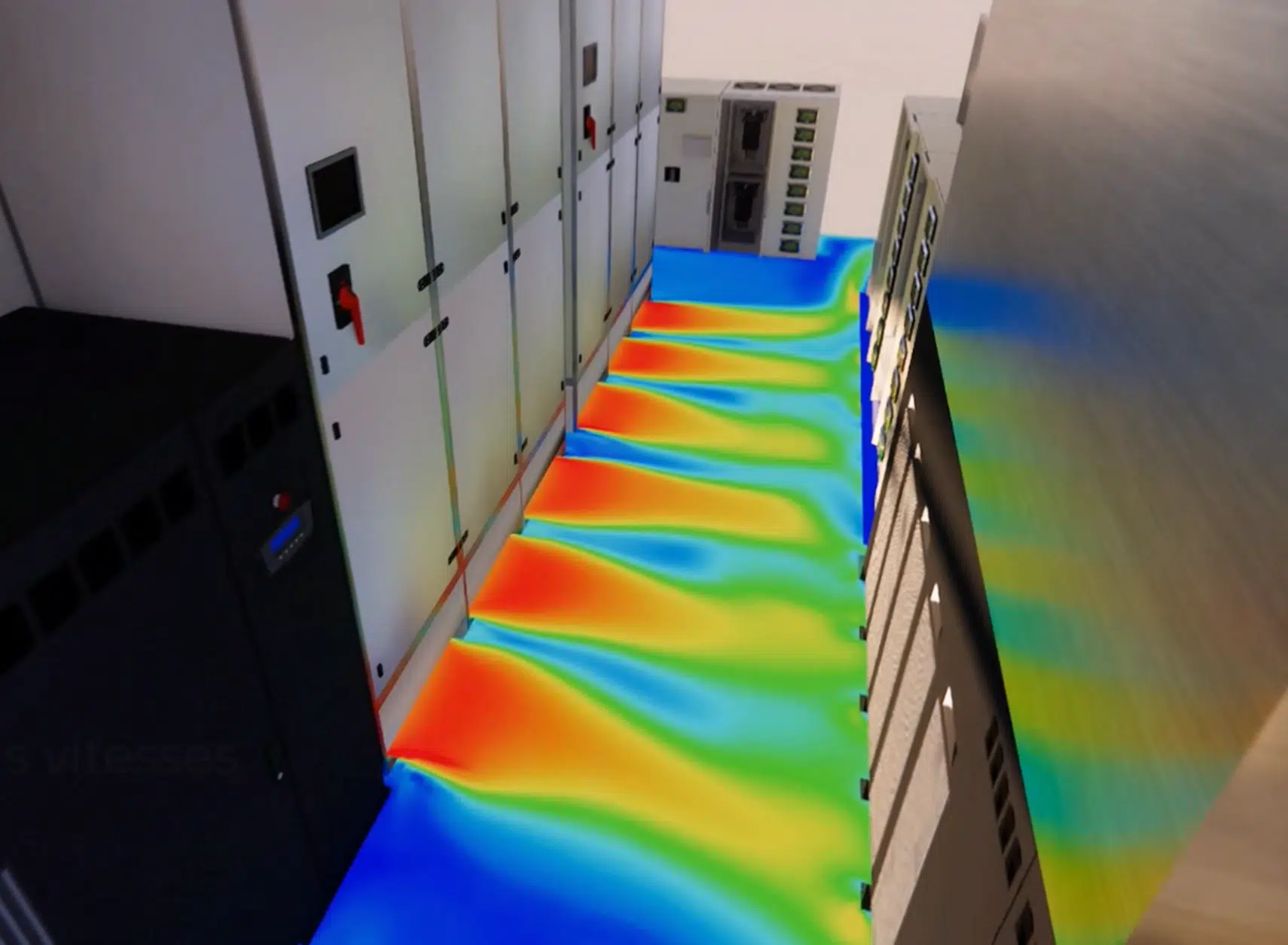 Technical roomsTechnical rooms – Data Center
 CoolingCooling optimisation – Data Center
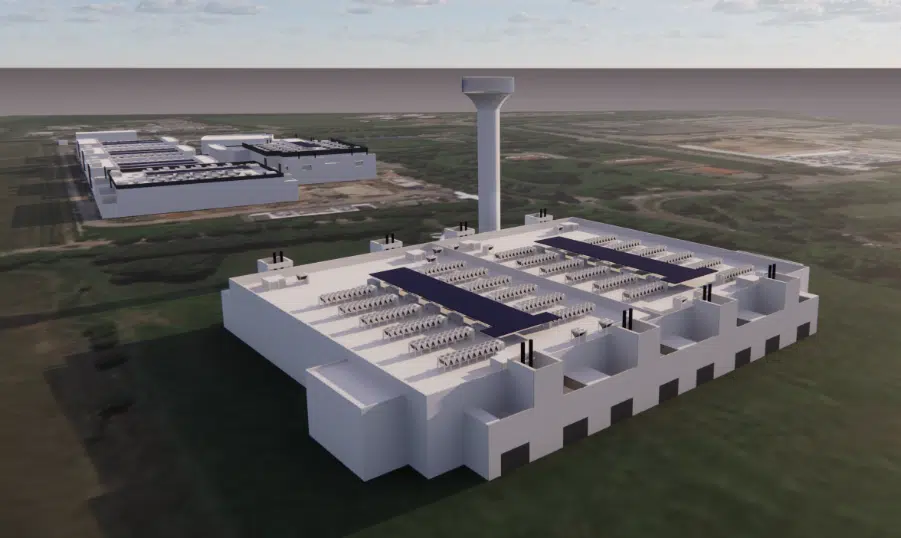 ExternalData Centers – DC15.1 & DC15.2 – External
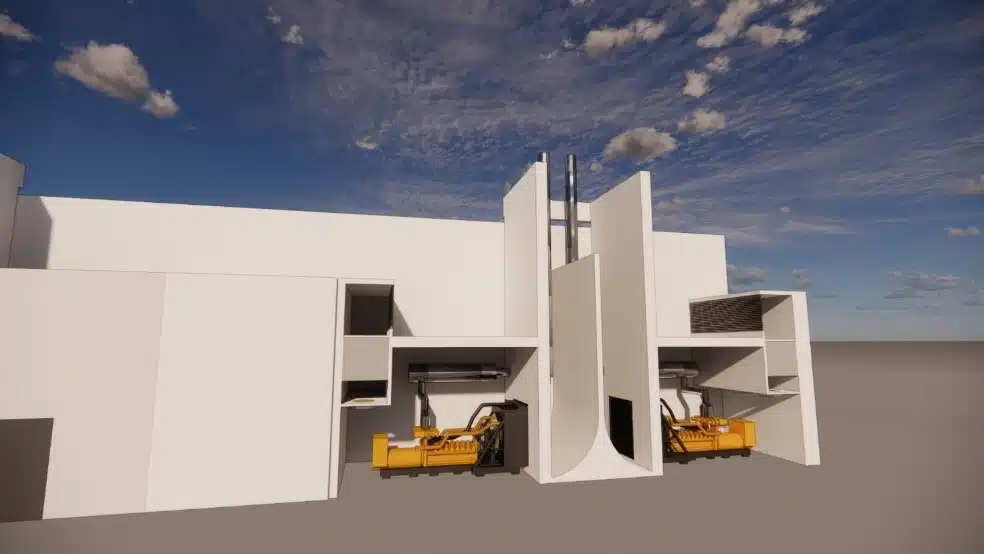 ExternalData Center – PA 22 – External
 GeneratorPressure-loss study – Generator – Data center
 ExternalData Center – Paris
 FireData Center – NOVEC gas
 InternalData center – DC17 – Internal
 ExternalData center – D14 – External
 ExternalData center – DC25 & DC26 – External
 InternalData Center – DC10 – Internal
 InternalData center – DC25 – Internal