
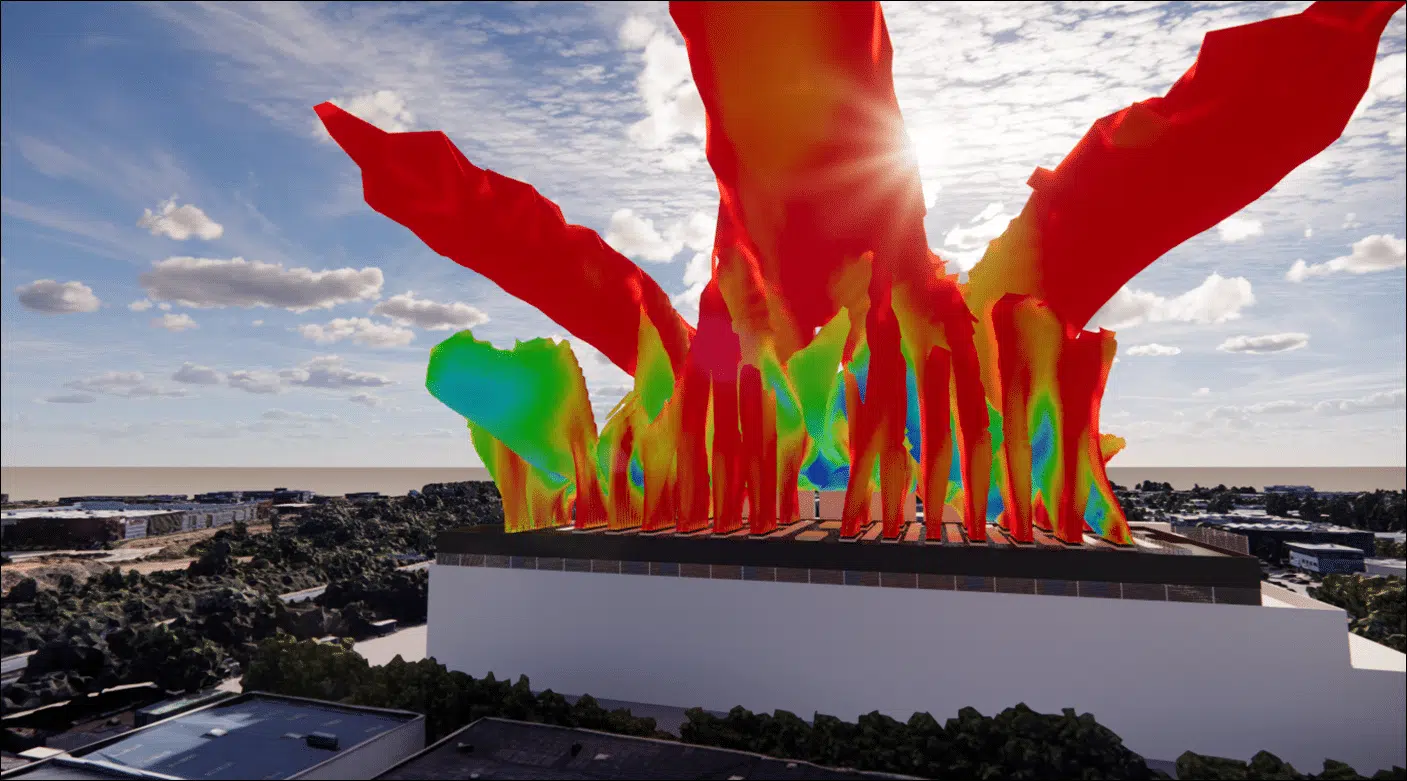
External thermal and airflow study of a data center in Frankfurt: rooftop cooling optimisation and control of thermal short-circuit phenomena by CFD simulation.
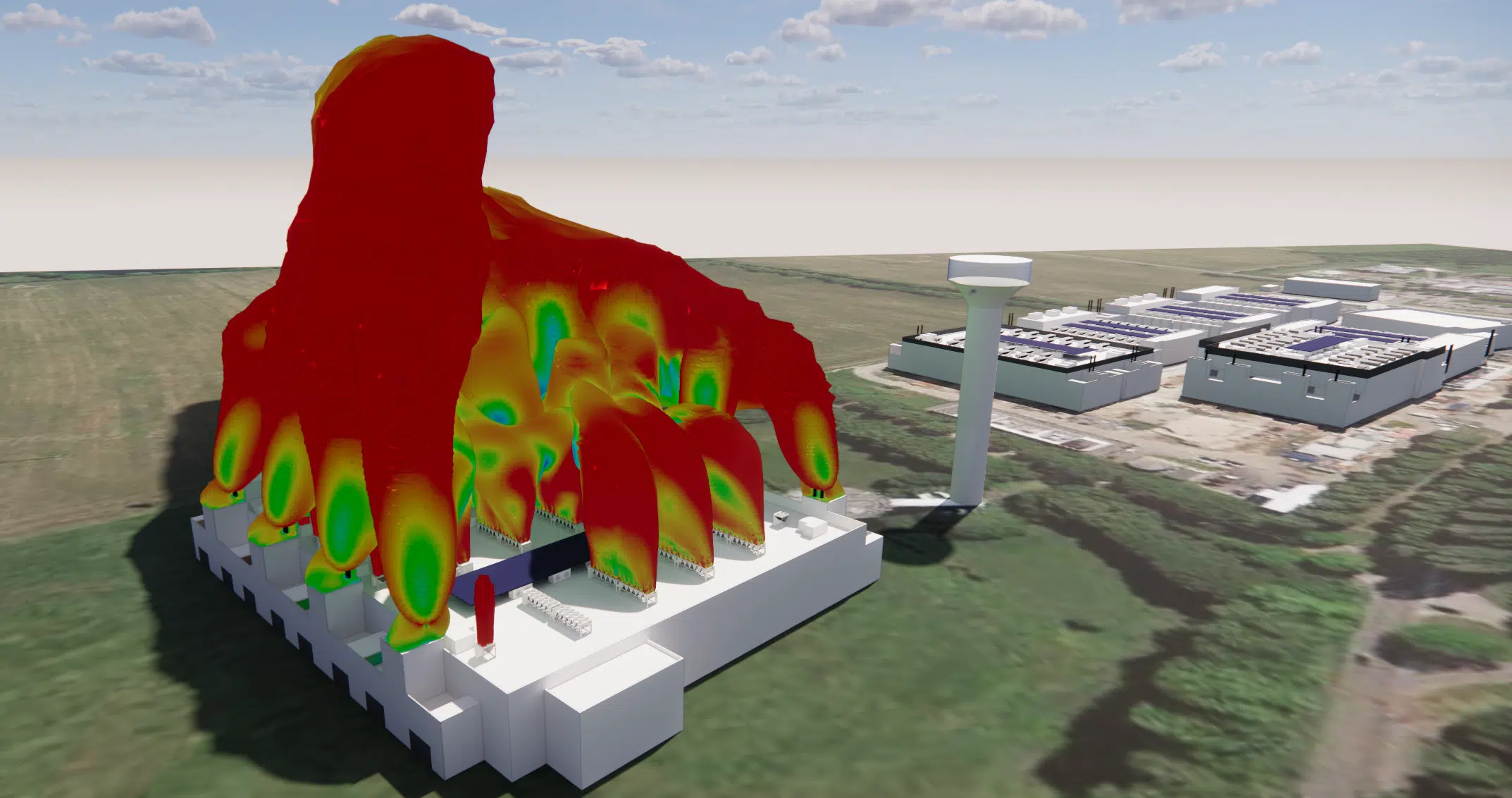
EOLIOS Engineering carried out an external CFD simulation of the rooftop cooling of a data center, to validate its design and control the thermal recirculation between generators and dry coolers before commissioning.
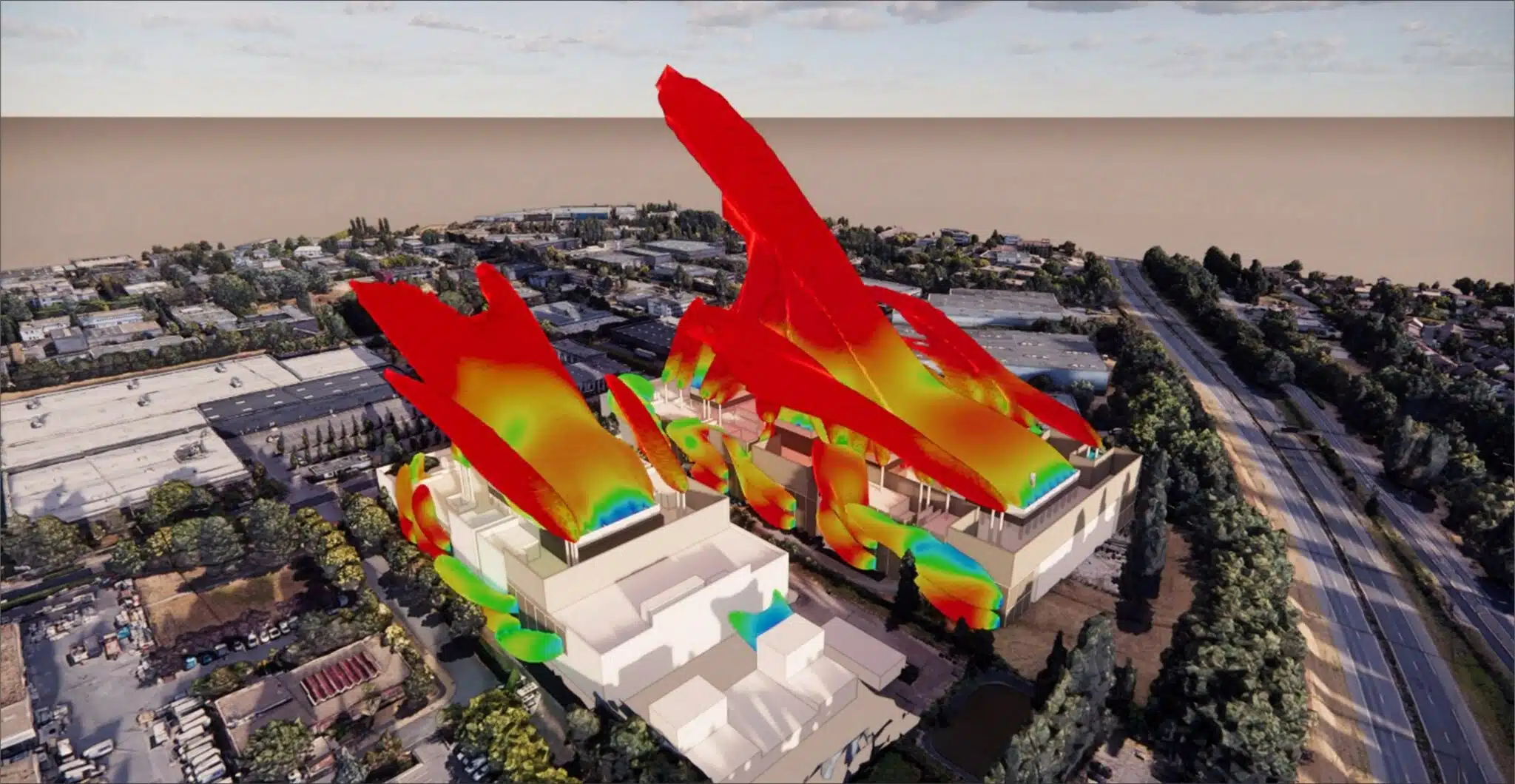
The essentials. External thermo-aeraulic CFD simulation of the rooftop cooling of a data center in Frankfurt. The digital twin integrates 26 generators, 30 coolers and 3 dry coolers, plus 5 elevated exhaust ducts. Three wind scenarios, up to the critical case N+X, validate the design: the air drawn in by the generators stays at ambient temperature and the thermal recirculation loops remain under control.
As large-scale data centers multiply, managing cooling systems becomes critical, driven by the rising density of IT equipment, often above 10 kW per rack. The main challenge is to efficiently remove the heat released by this high-density equipment. At EOLIOS, we put our technical expertise to work through computational fluid dynamics (CFD) studies, to model and optimise the thermal and airflow exchanges of a data center.
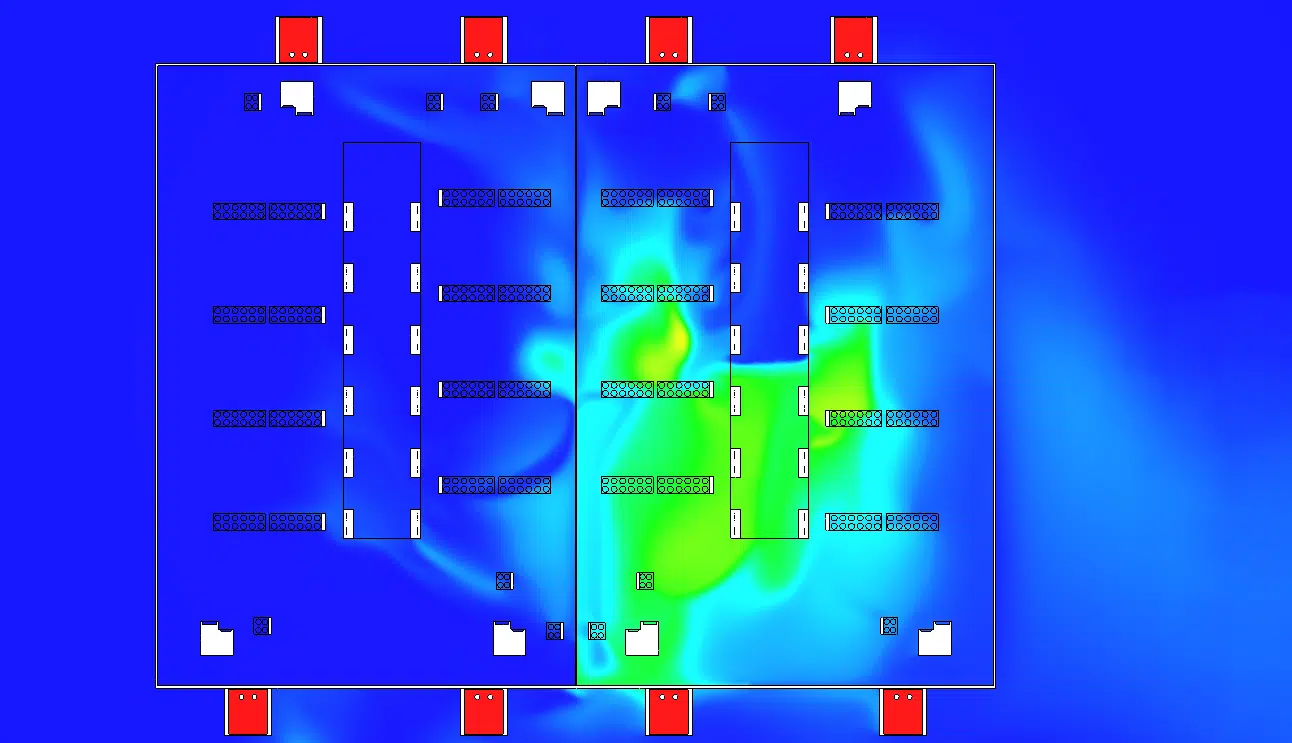
This analysis focuses specifically on the external exhaust plumes of the dry coolers, generators and other rooftop equipment. The goal is to check whether the heat rejection of these systems could contaminate the supply air through recirculation loops. We simulate the thermal-airflow behaviour of these plumes with CFD calculations, to ensure optimal control of the intake air temperature and prevent any interference.
The study aims to validate the building's design and the location of the systems on the roof, verifying that the air temperatures at the cooler inlets stay low enough and identifying any recirculation issues. It covers various operating scenarios: high temperatures, varied wind directions and start-up of the backup generators. Where a problem is detected, we identify its cause and propose suitable corrective solutions.
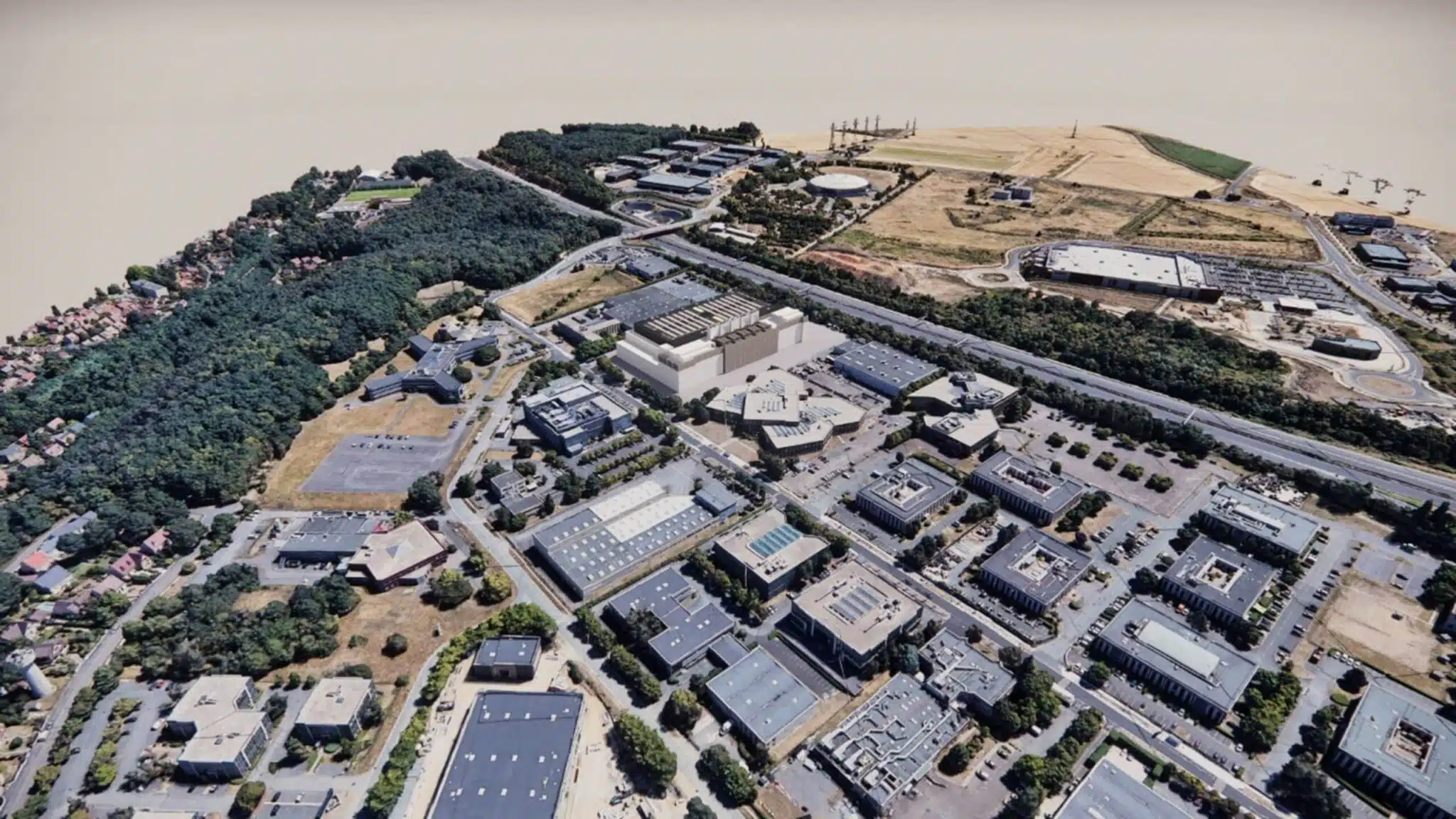
Properly setting the outdoor conditions is fundamental to optimising the thermal management of data centers through CFD simulation. ASHRAE (American Society of Heating, Refrigerating and Air-Conditioning Engineers) is an essential international reference. By setting standards and providing precise climate data, it lets engineers and designers adapt their heating, ventilation, air-conditioning and refrigeration (HVAC-R) systems to real environments. ASHRAE collects weather data from thousands of stations worldwide, ensuring reliability and accuracy through average and extreme values measured over decades.
This data is essential for the adequate sizing of outdoor systems. By accounting for average and extreme temperatures, it helps anticipate realistic scenarios, avoiding oversizing and optimising energy efficiency. For our study, the local climate conditions are defined using the weather station nearest to the site, which provides crucial information — such as monthly temperatures and wind records — decisive for establishing the weather conditions and the prevailing winds.
Thus, by relying on reliable, standardised climate data, we can size efficient, durable outdoor systems, tailored to the requirements of the various climate conditions.
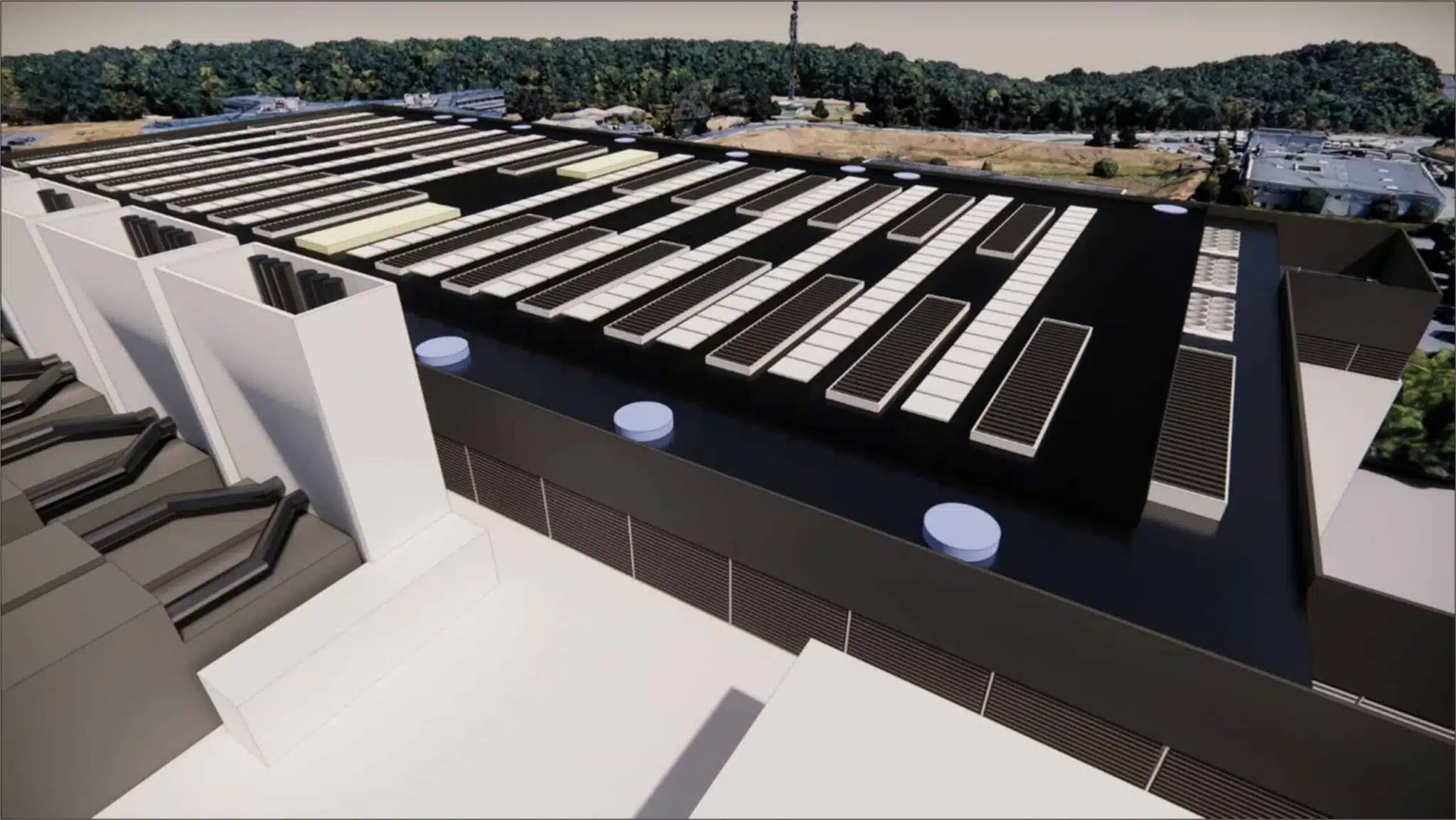
EOLIOS builds a digital twin of the data center and its immediate surroundings, faithfully reproducing the geometry of the building, the rooftop equipment and the neighbouring obstacles likely to influence the airflow. This model underpins all the calculations.
Using ASHRAE records — temperatures and prevailing winds — from the nearest station to set the boundary conditions.
3D modelling of the building, dry coolers, the 26 generators, exhaust ducts and surrounding structures.
Discretising the fluid domain and defining the airflow rates, dissipated powers and thermal properties of each system.
Computing the velocity and temperature fields for each combination of wind direction and load regime.
Identifying recirculation, quantifying intake temperatures and formulating corrective solutions.
The scenarios simulated in the external study are as follows:
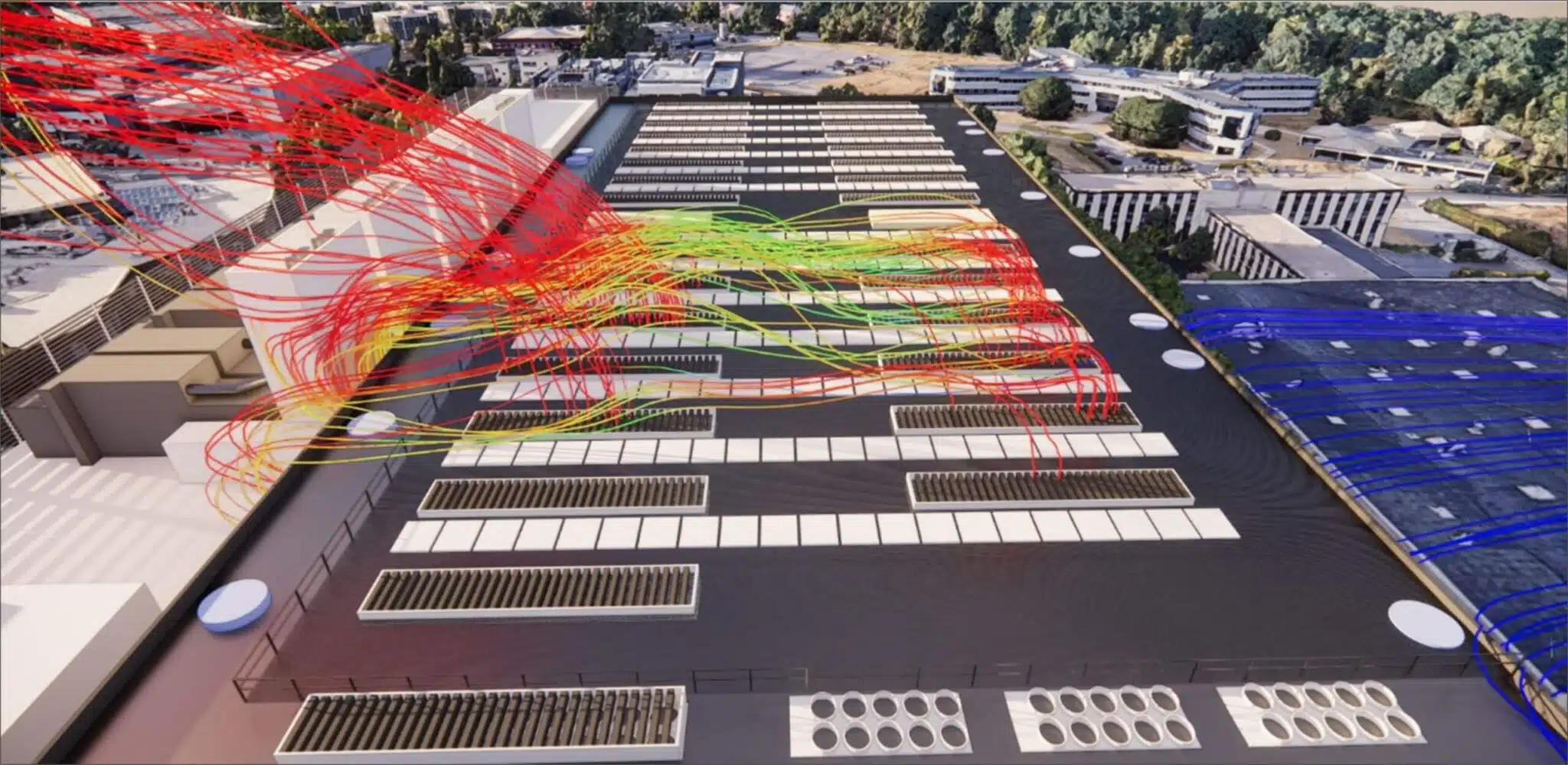
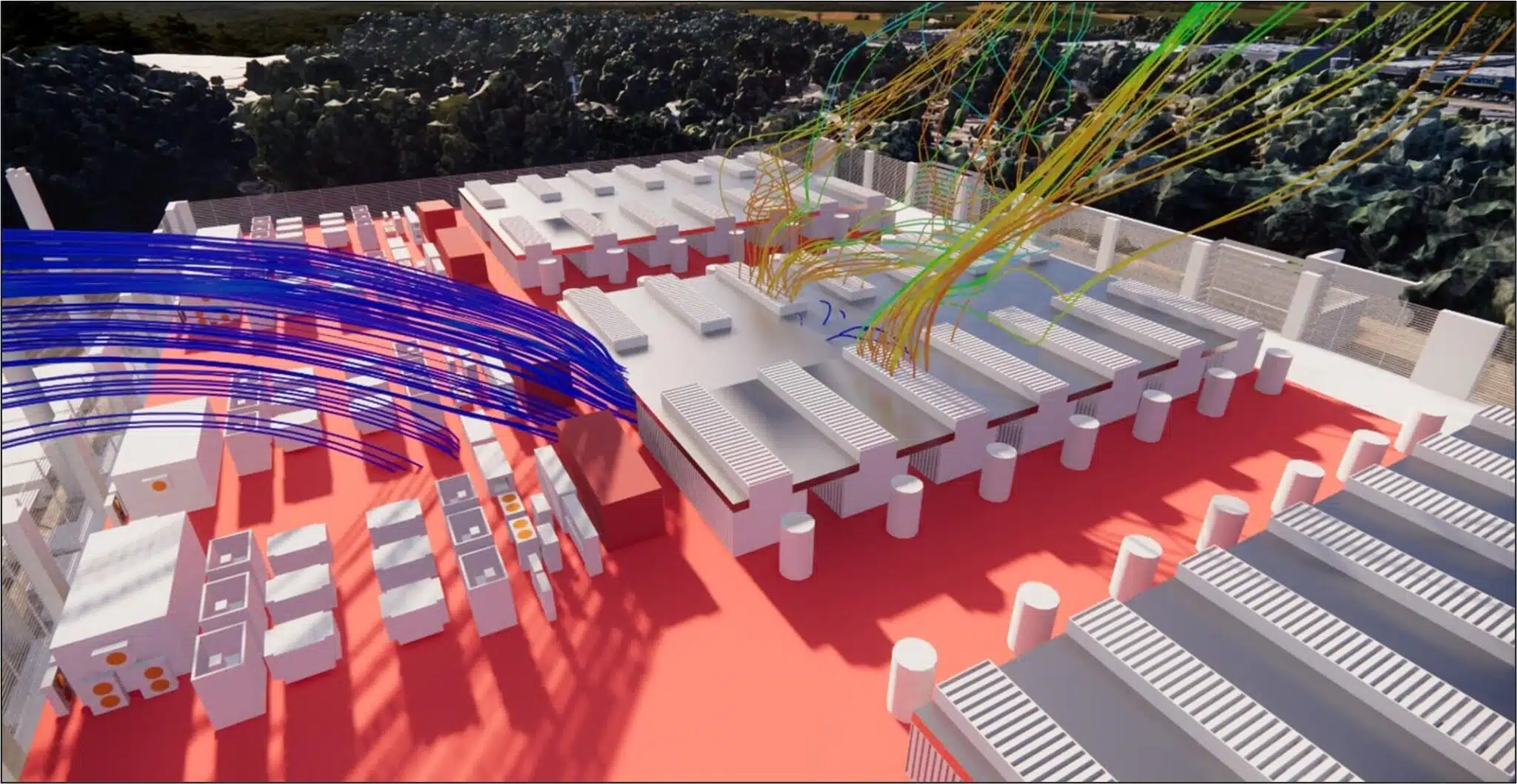
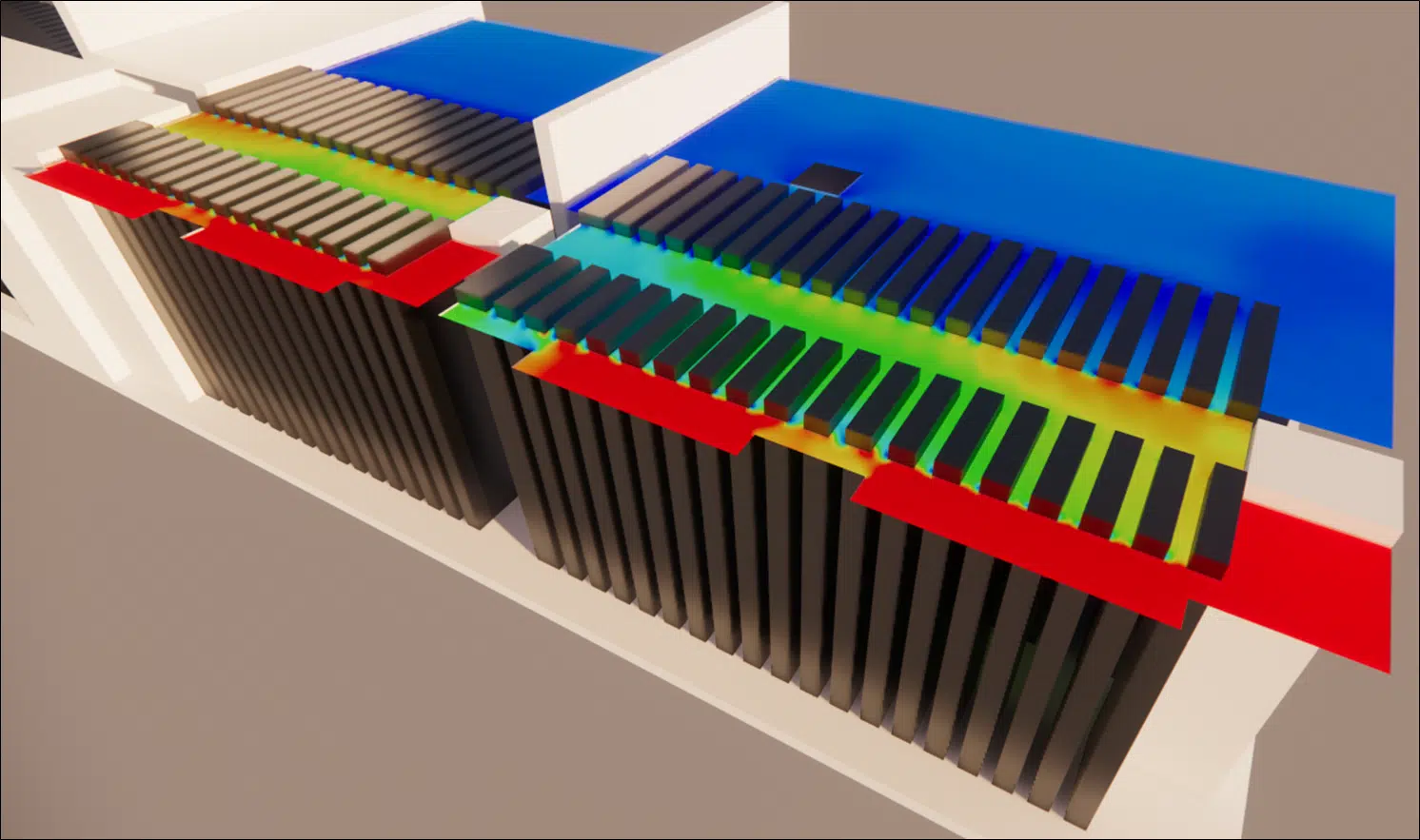
A canopy roof sits at the outlets of the air coolers to minimise air recirculation. This zone is bounded by walls fitted with acoustic panels, and louvres are present on the lower parts of these walls.
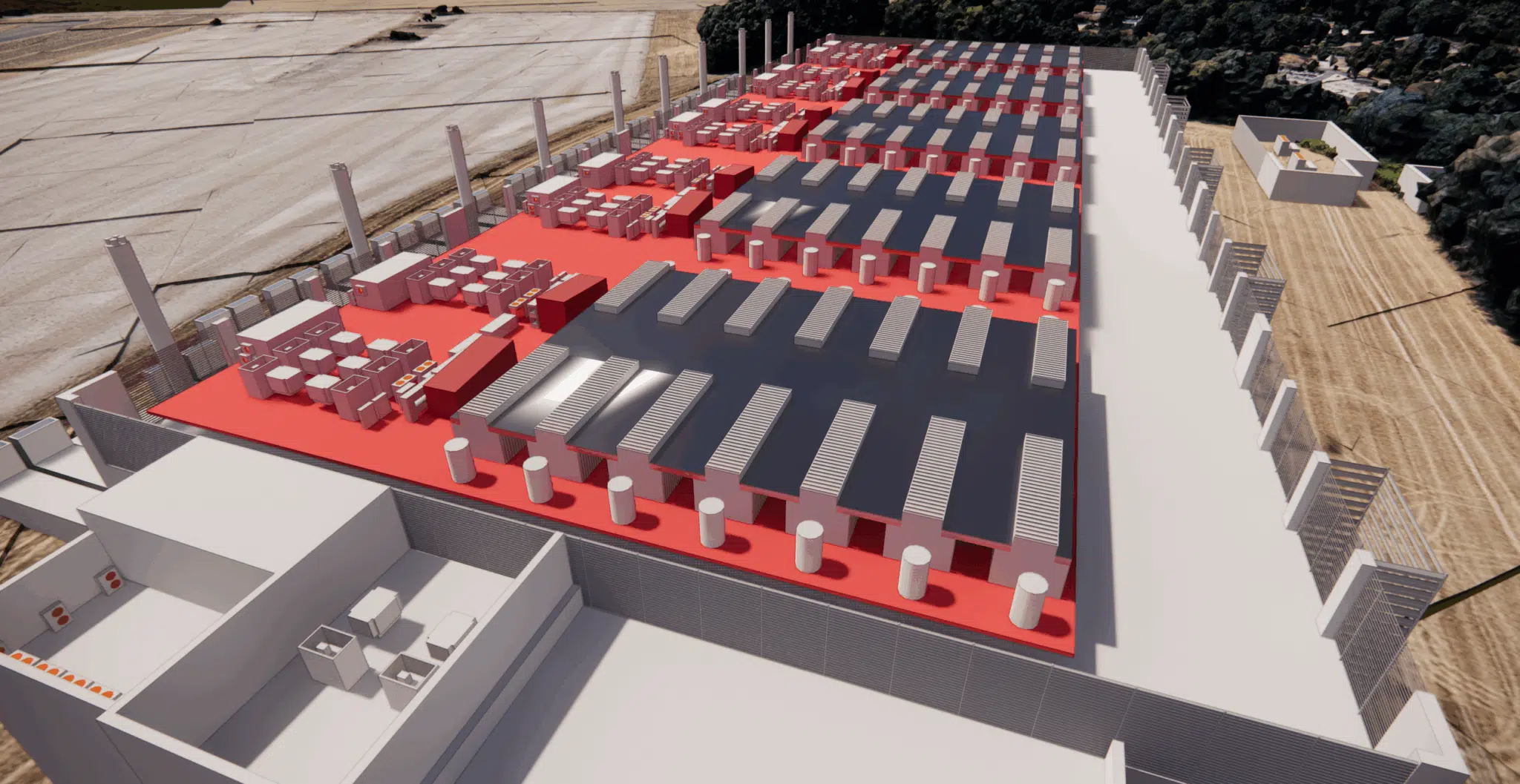
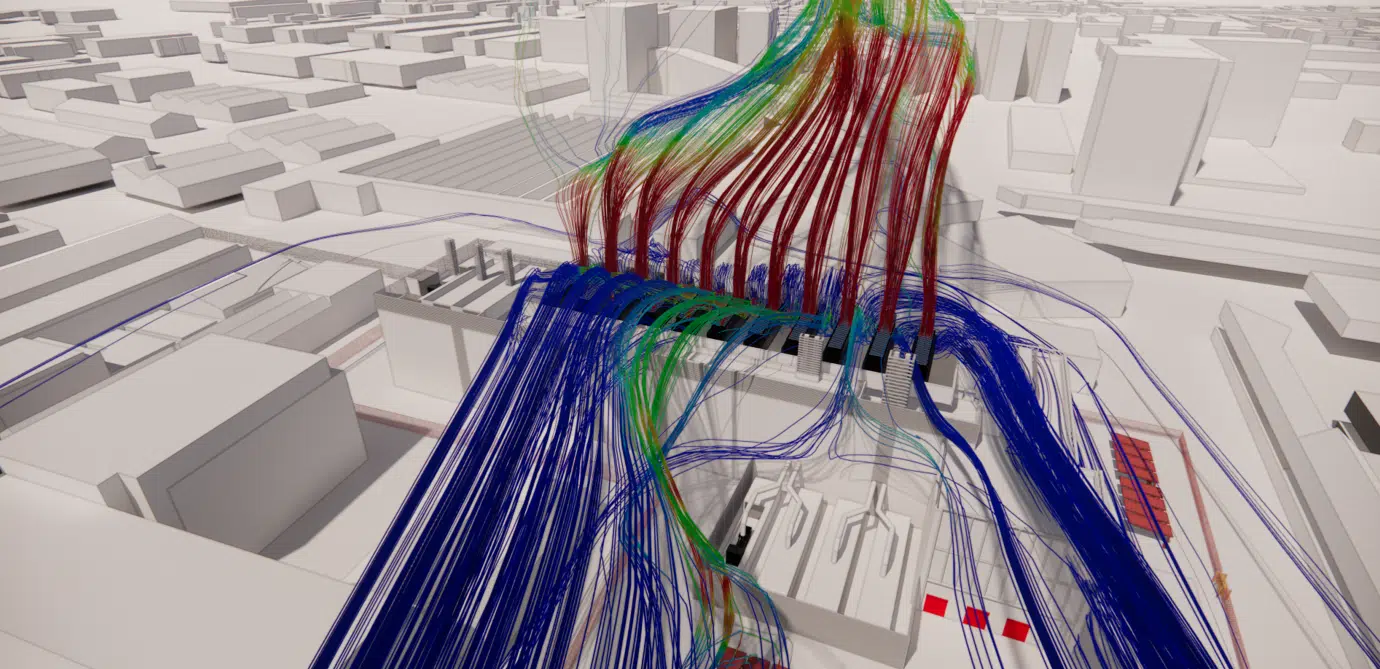
The 26 generators are located mainly on the south-west of the building, both on the roof and spread over two floors inside. To divert the generators' heat rejection, 5 exhaust ducts are installed at height. The fresh-air intake for the generators is at the south-west façade of the building, fitted with louvres.
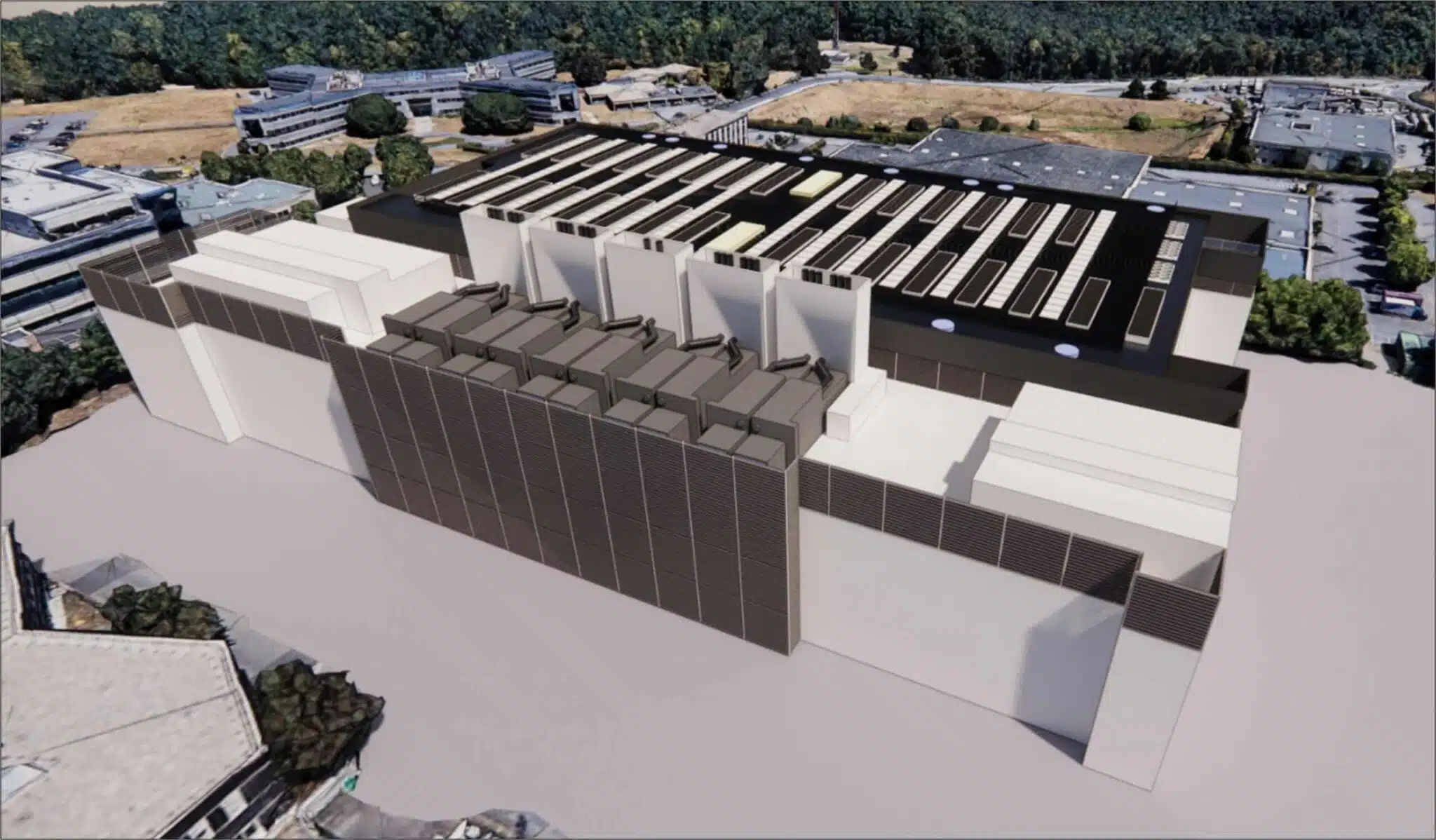
For these 3 studies, the generators are switched on to account for the most unfavourable situation in terms of heat rejection. The cooling units, concentrated on the north-east of the building, comprise 30 coolers and 3 dry coolers. The presence of auxiliary equipment on the roof, such as air-handling units and heat pumps, was also taken into account.
The study analysed the external design of the data center across three critical scenarios, based on variations in wind direction and the management of the cooling systems, while maintaining extreme climate conditions according to the ASHRAE standards.
No significant air recirculation was detected for this scenario. The simulations reveal that the temperature measured at the intake of the cooling units stays close to the surrounding temperature, evidence of an optimised design of the air inlet. The structure and layout of the roof are judged excellent under these conditions, ensuring good thermal regulation.
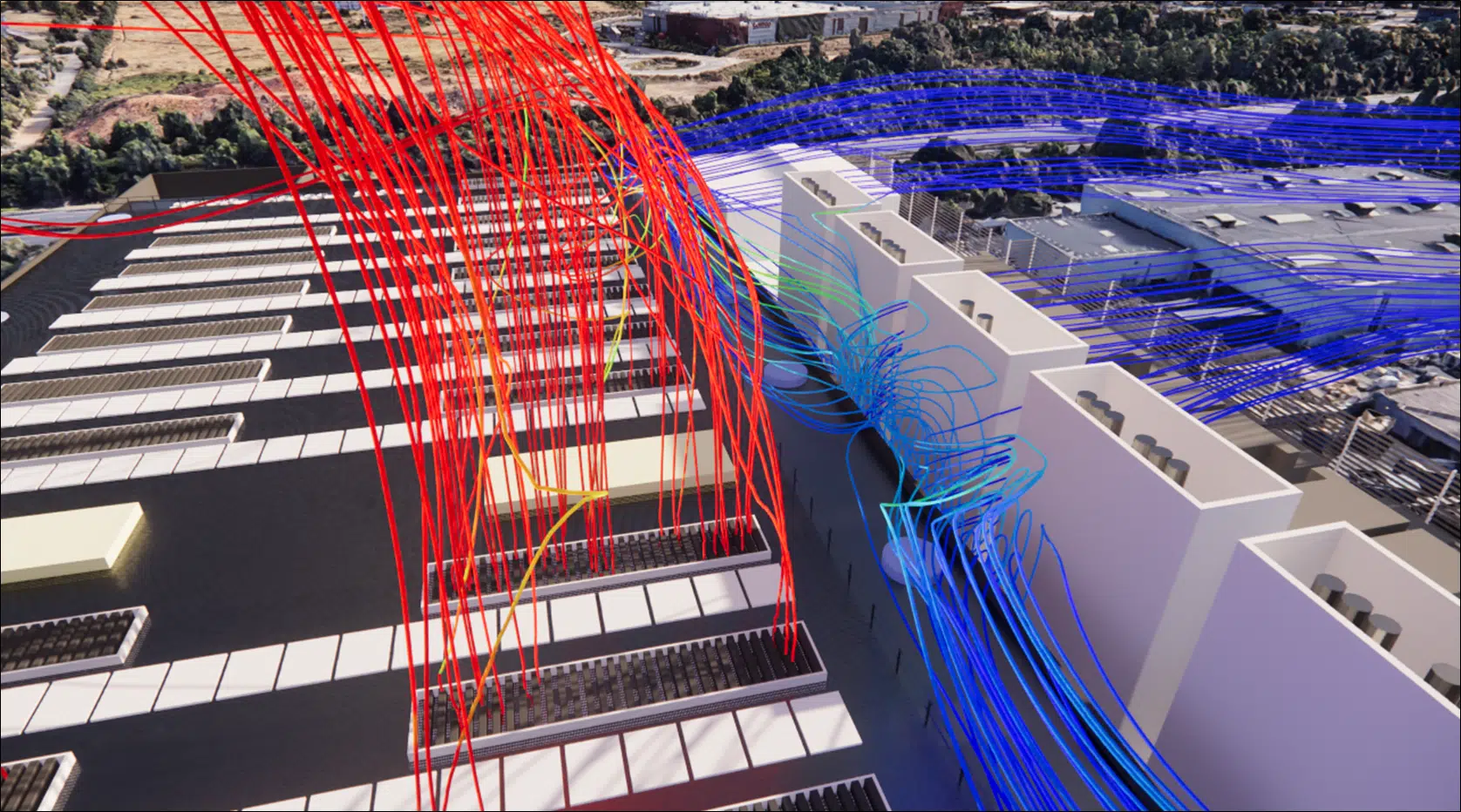
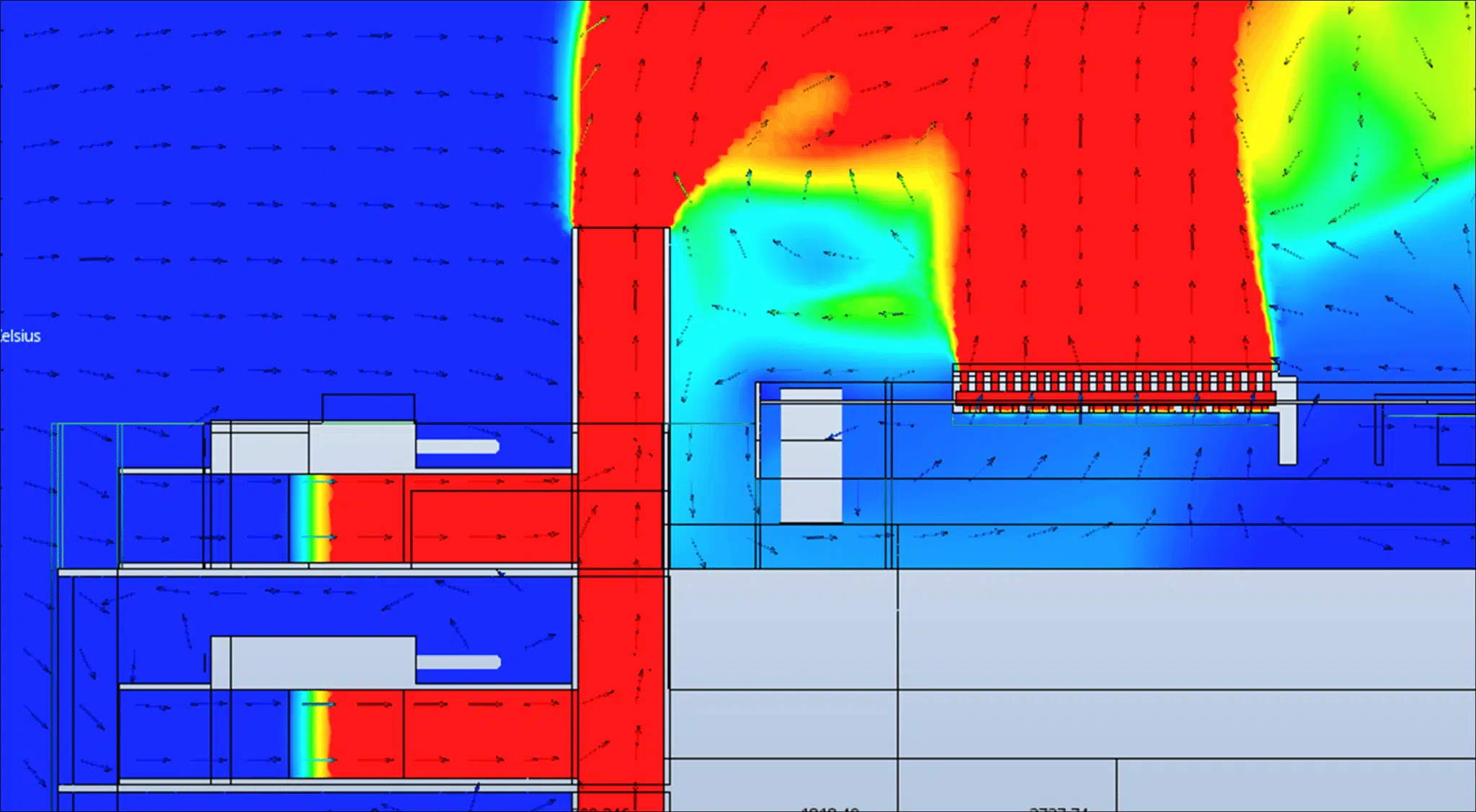
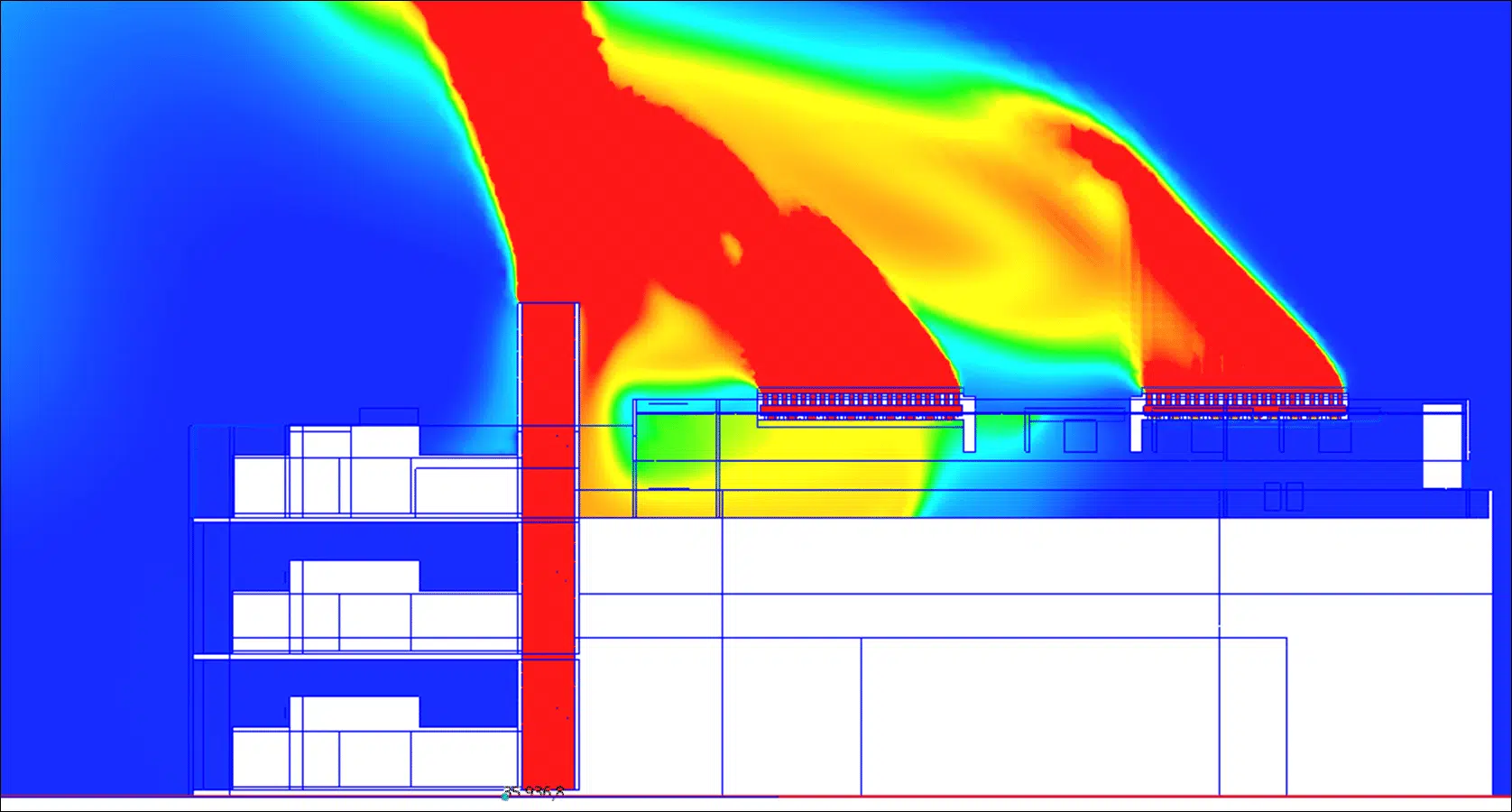
The study highlighted a slight air recirculation at the south-west louvres, mainly caused by the partial obstruction from the generators' exhaust ducts. However, a central zone clear of equipment provides sufficient access to fresh air, which helps to mitigate this phenomenon. The intake temperature shows rises, particularly for the systems located in the south, but remains controlled. The generators' exhaust ducts ensure an effective deviation of the heat-laden air, minimising potential interactions with the dry coolers.
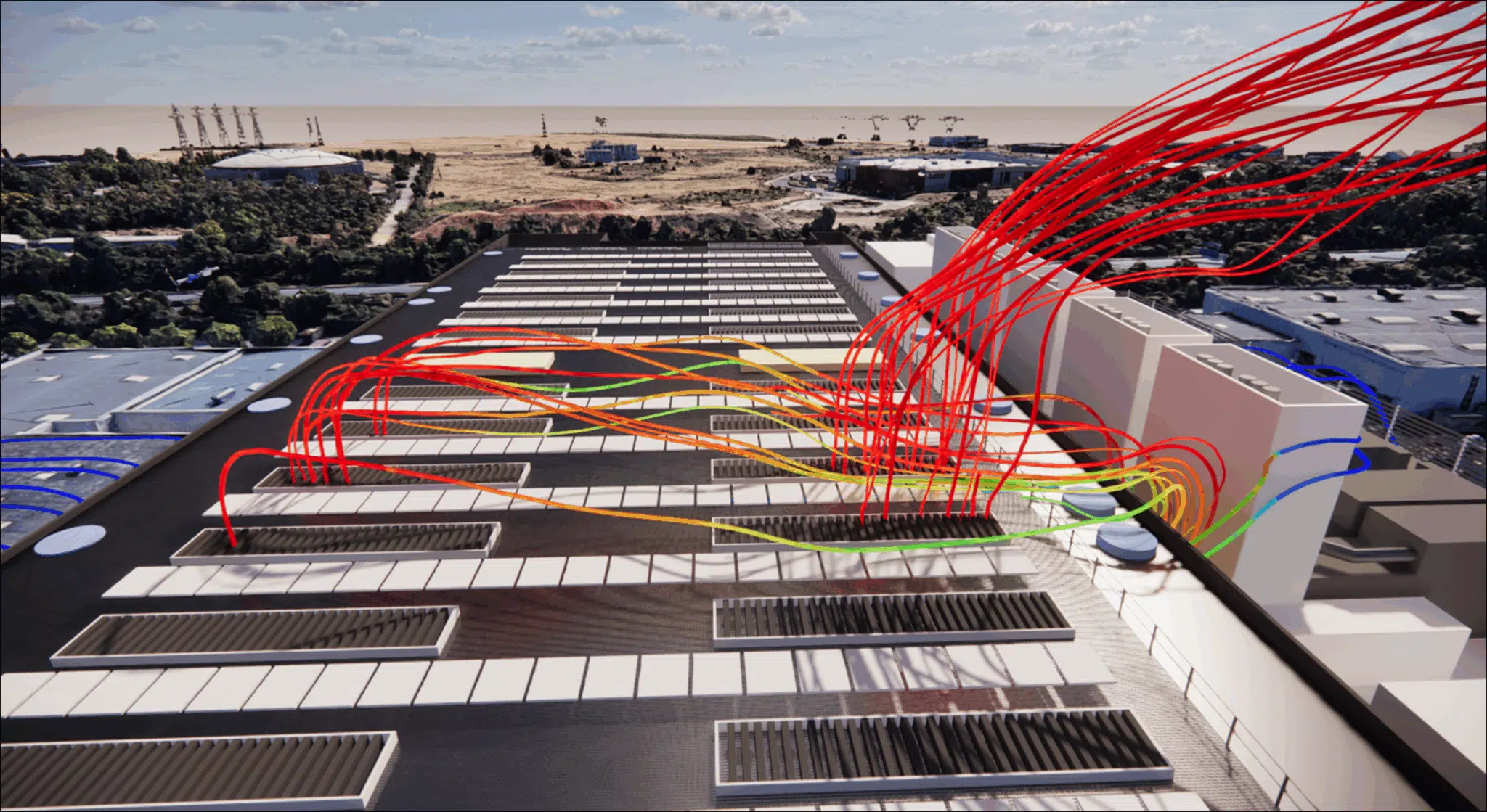
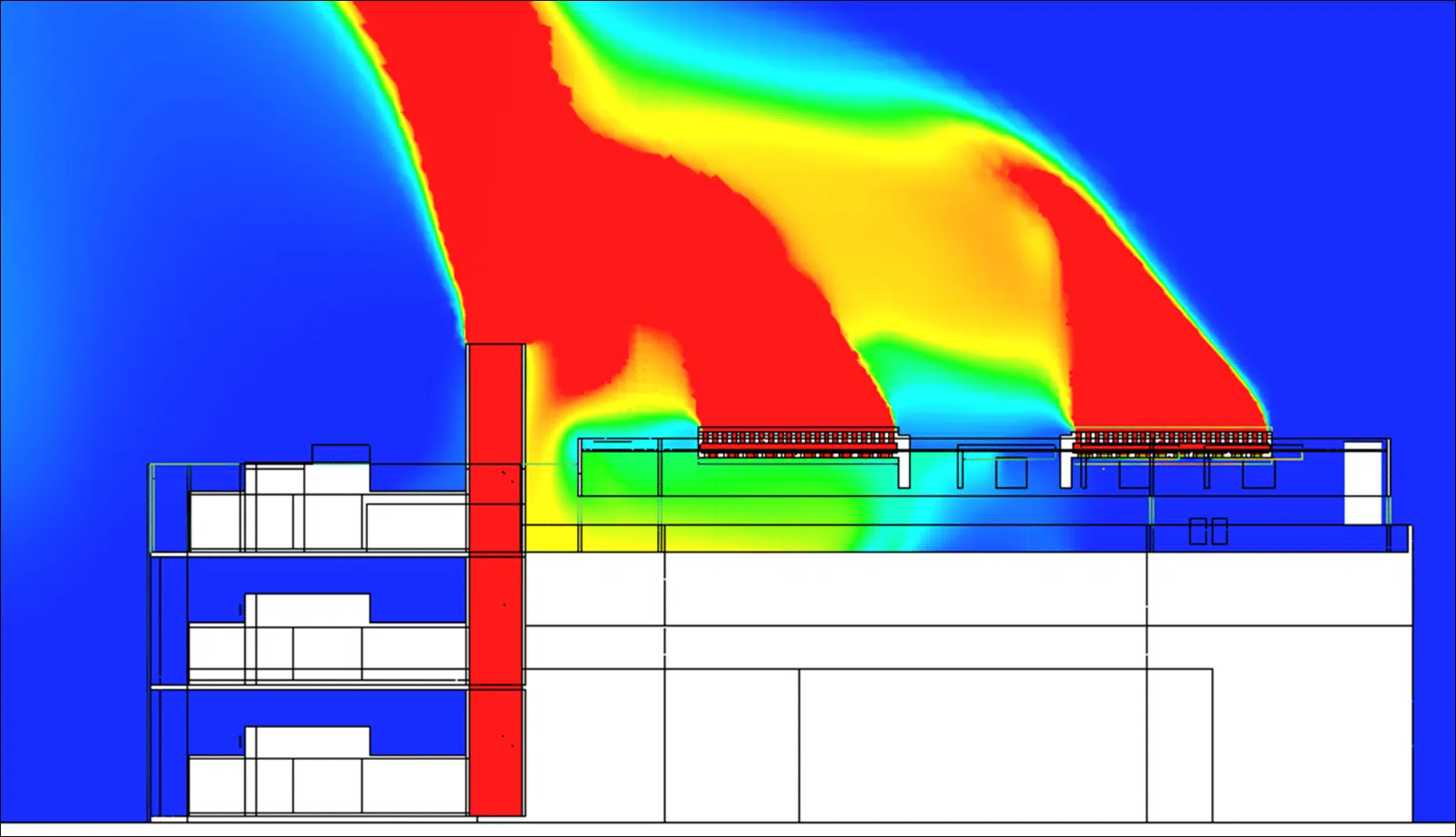
The difficulties linked to air recirculation persist, exacerbated by the reduction in supply velocities at full operating capacity. This increases the tendency to recirculate air, particularly around the downstream louvres. The intake temperatures show significant increases, mainly affecting the units positioned in the south. Despite these conditions, the air drawn in by the generators stays at ambient temperature, thanks to skilful management of the deviation of the hot air masses.
| Scenario | Air recirculation | Intake temperature | Verdict |
|---|---|---|---|
| 1 — Prevailing wind (N) | No significant phenomenon | Close to ambient temperature | Design validated |
| 2 — Unfavourable wind (N) | Slight recirculation at the south-west louvres | Rises in the south, but controlled | Controlled |
| 3 — Critical unfavourable wind (N+X) | Recirculation increased downstream | Significant rises in the south; generator air kept at ambient | Resilient |
Qualitative summary of the three simulated scenarios — EOLIOS Engineering.
Key takeaway. the roof design shows sufficient resilience in the face of demanding climate conditions. Even in the most unfavourable case — north-east wind combined with full operating capacity — the overall design ensures adequate functionality and efficiency.
EOLIOS optimises the energy efficiency of the dry coolers of data centers by relying on computational fluid dynamics (CFD) simulation.
CFD lets us create sophisticated three-dimensional models that faithfully reproduce the thermal behaviour and airflow within the cooling systems. By analysing these models, we can precisely identify the overheating zones and the points of energy loss, and optimise the configuration of the heat exchangers and fans.
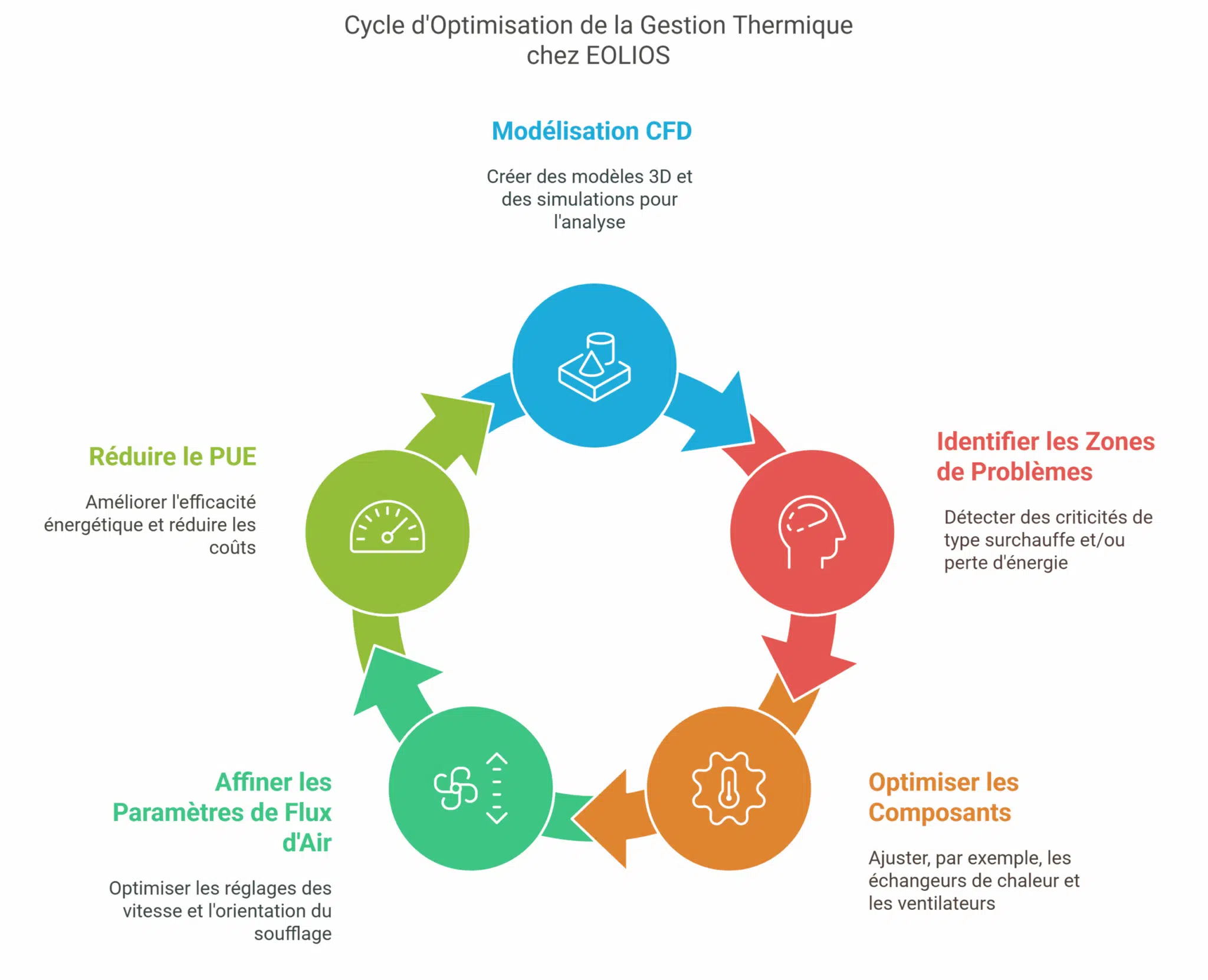
This approach lets us finely adjust the air circulation speed and the orientation of the flows for each outdoor climate condition, improving energy efficiency without compromising performance. In addition, our solutions help reduce the Power Usage Effectiveness (PUE), a decisive criterion for data centers, by ensuring more rational energy consumption and minimising operating costs for our clients. We thus provide strategic recommendations for setting up robust, efficient thermal-management systems.
The roof, the true “fifth façade ”, plays a crucial role in the energy efficiency of data centers. Our solutions rely on canopy roofs designed to passively improve ventilation and optimise thermal management. Using CFD simulation, we can model different canopy designs and analyse their impact on the natural circulation of the air. This lets us design structures that intelligently exploit the prevailing winds and pressure variations to promote effective cross-ventilation, reducing the dependence on mechanical cooling systems and favouring the evacuation of accumulated heat.
By incorporating reflective materials and innovative insulation technologies, our canopy roofs contribute to a significant reduction in thermal loads. We thus not only reduce the energy footprint of data centers, but also add a layer of climate resilience, essential to guarantee the continuity of operations in varied weather conditions.
Optimising the cooling systems, such as the chillers and generators, is essential to guarantee the performance of data centers. With high densities of servers and electronic equipment, potentially exceeding 10 kW per rack, thermal management becomes a major challenge. Uncontrolled overheating can cause hardware failures, a drop in the reliability and availability of services, and premature degradation of the equipment.
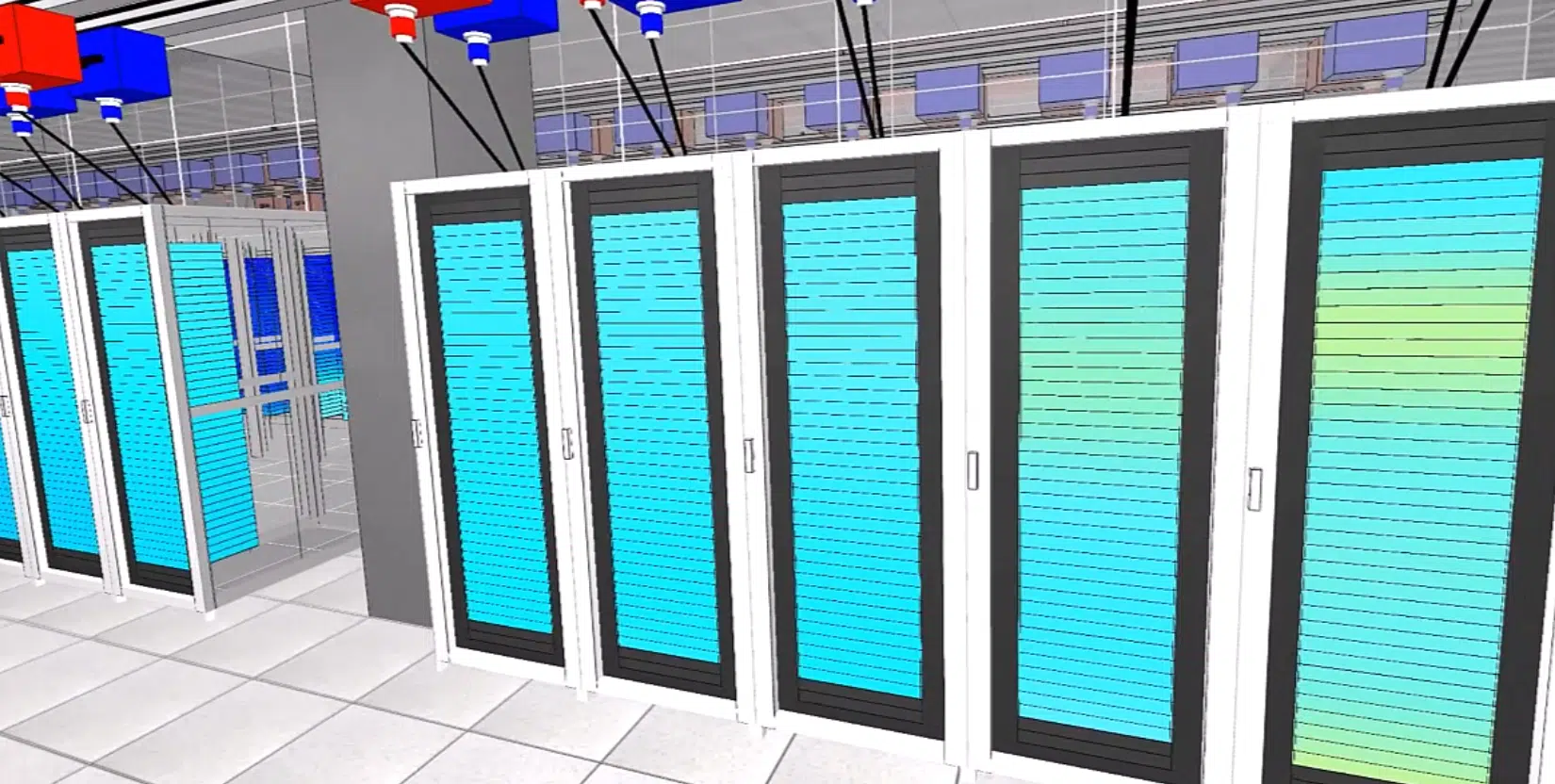
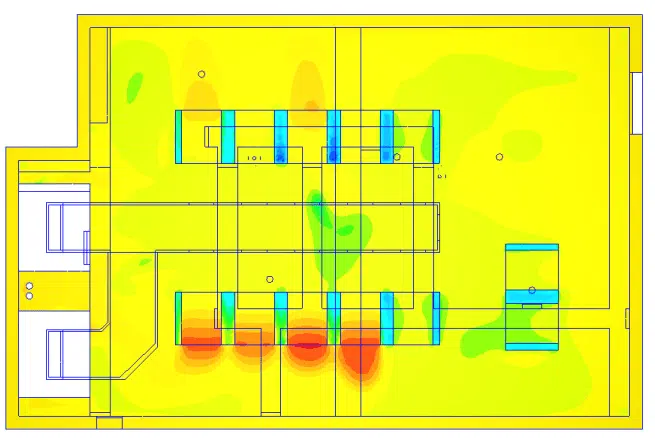
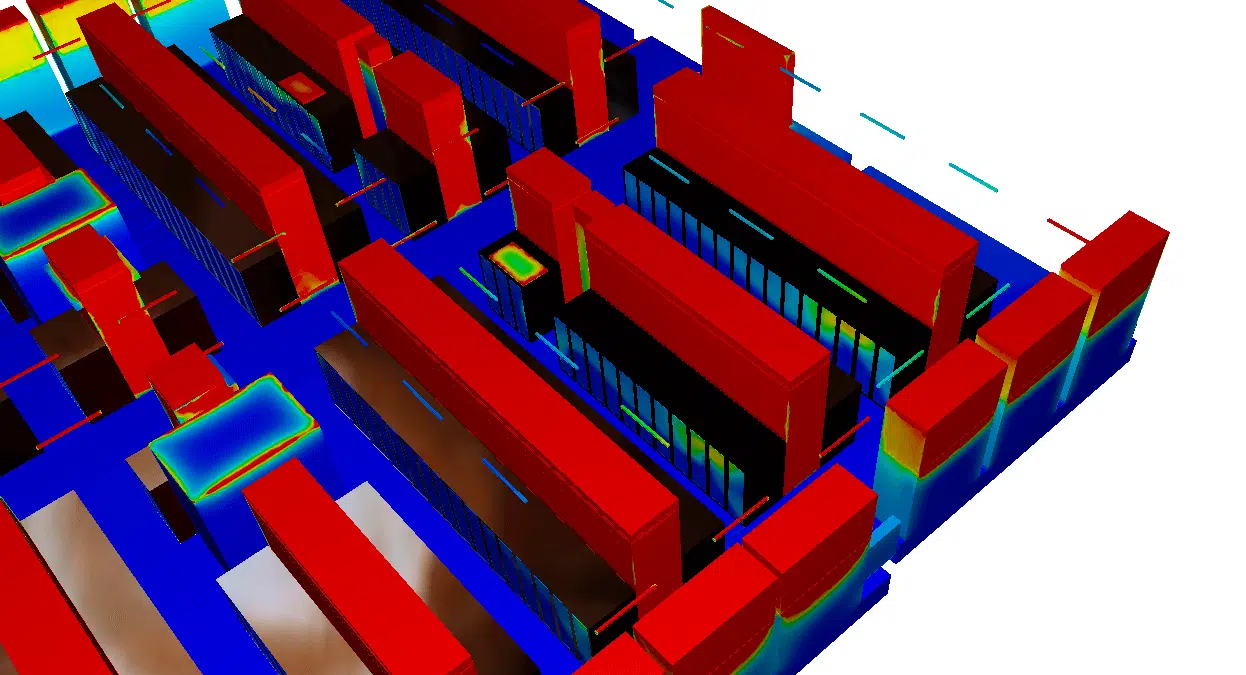
Consequently, optimising the cooling systems is not limited to keeping a stable, appropriate temperature; it is also crucial to reduce energy costs, which represent a significant share of the operating expenses of data centers. Moreover, by minimising energy consumption, this optimisation helps reduce the carbon footprint of the facilities, in line with the growing environmental-sustainability requirements of the sector. The numerical simulations carried out provided detailed information, notably on the temperatures of the systems for the various scenarios.
Key takeaway. the opaque cowling removes the intake of hot air at the top and clearly reduces the thermal recirculation between rooftop systems.
EOLIOS shows a particular ability to integrate the specific needs of companies throughout its study processes, thereby establishing a genuinely collaborative partnership. By relying on a deep understanding of clients' expectations and objectives, we develop tailored solutions, adapted to the particularities of each request.
Through open, continuous communication, the company ensures that all stakeholders are aligned on the objectives and stages of the projects. The EOLIOS teams work hand in hand with companies, offering not only technical expertise but also a relational know-how. Our client-centred approach, combined with sharp skills, ensures that the studies carried out meet companies' expectations, maximising the efficiency and relevance of the solutions proposed.
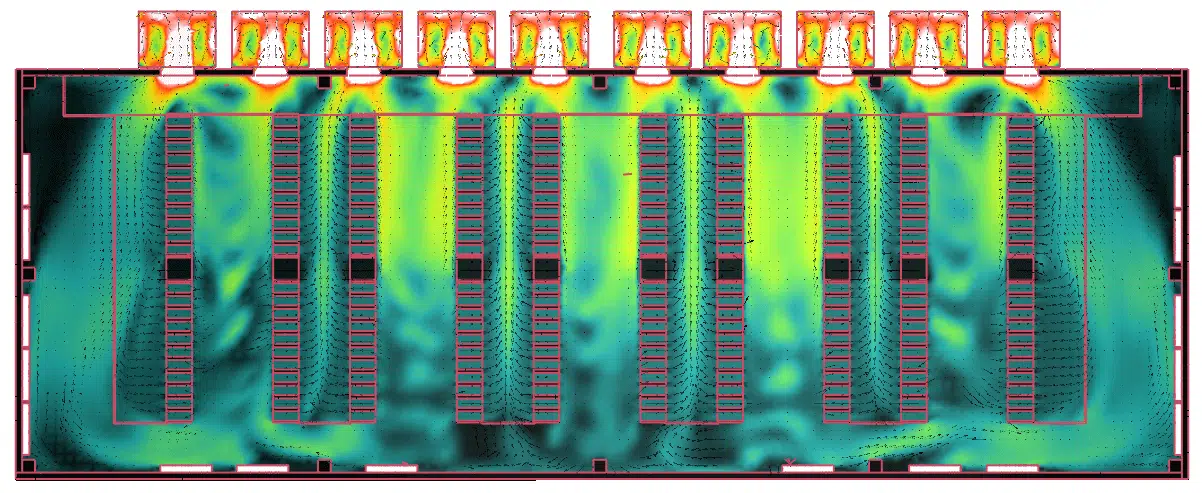
At EOLIOS, our mission is to support you in the design and assessment of your cooling and ventilation systems for data centers, guaranteeing optimal efficiency and enhanced safety for your infrastructure. With our expertise in CFD simulation, we analyse the thermal-airflow dynamics to optimise thermal management.
Thanks to our command of numerical simulation, we identify the critical airflows and the zones liable to create unwanted bypasses. By integrating these analyses into our approach, we ensure an optimal distribution of the air, which lowers the risk of overheating in sensitive zones and favours the operational efficiency of your systems. We carry out rigorous assessments to validate and optimise the efficiency of your cooling systems while accounting for the most unfavourable scenarios, to ensure the durability and performance of your data centers.
Know-how: external CFD simulation for data centersCFD optimisation of a data center: heat rejection from rooftop systems, air mixing and cooling performance.
The study focuses on the energy optimisation and thermal management of a data center through CFD simulation. It addresses the external design, notably the integration of a canopy roof to passively improve ventilation. Across several critical scenarios, the study assesses the impact of wind-direction variations and operating capacity on air recirculation and the efficiency of the cooling systems.
Sophisticated three-dimensional models analyse the thermal behaviour and airflow, pinpointing the overheating zones and optimising the system configurations. The overall design of the data center ensures functionality and resilience to demanding climate conditions.
Canopy roofs and reflective materials reduce thermal loads, while the generators' exhaust ducts divert the hot air and limit interactions with the dry coolers. Through a collaborative, tailored approach, EOLIOS offers solutions that reduce the PUE, guarantee the continuity of operations and strengthen climate resilience.
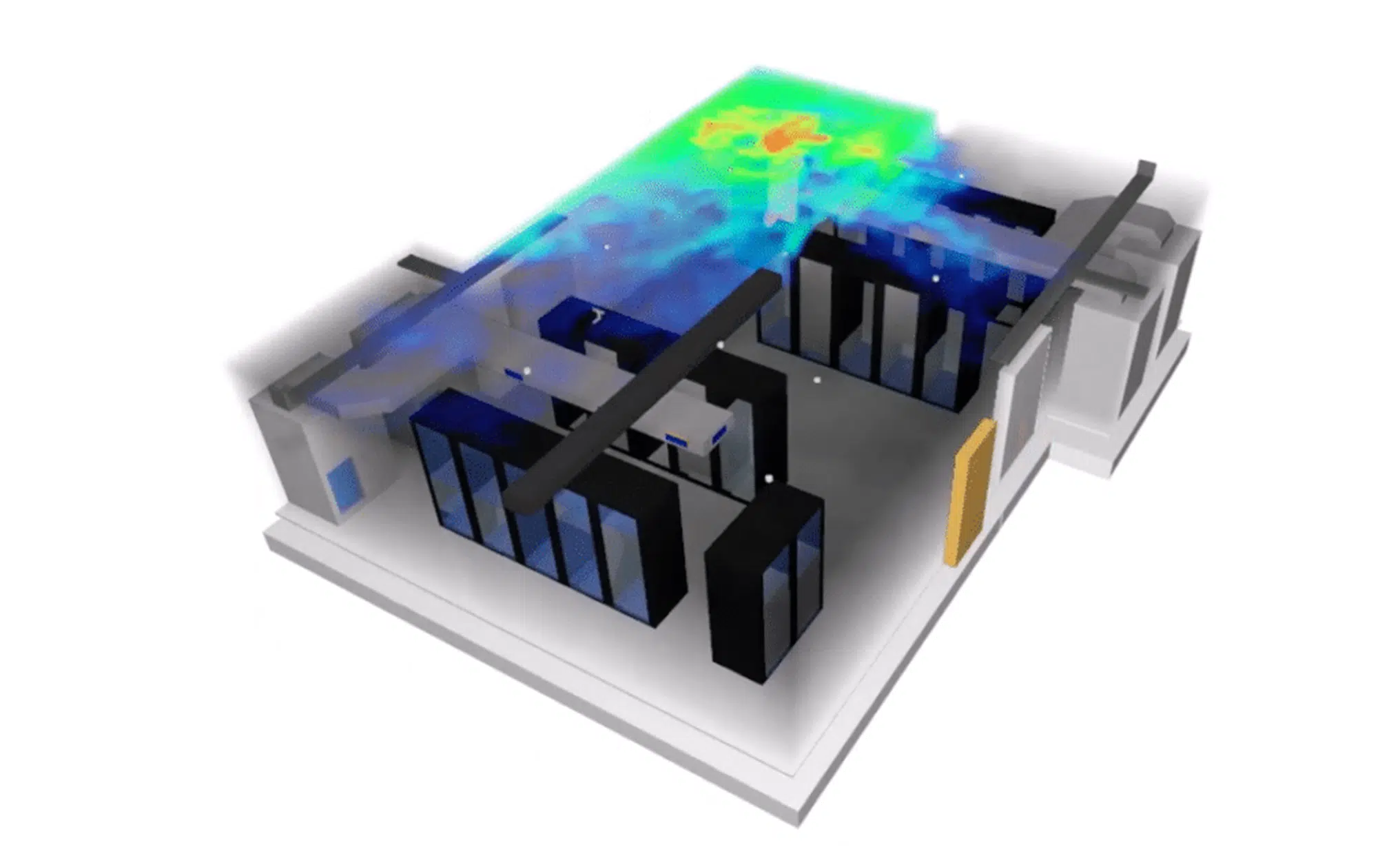
 Digital twinData center study – Data Hall and UPS rooms
 Smoke controlSmoke-control engineering in a data center
 HyperscaleExternal & internal CFD – Hyperscale Data Center
 InternalData Center – DC28 – Internal
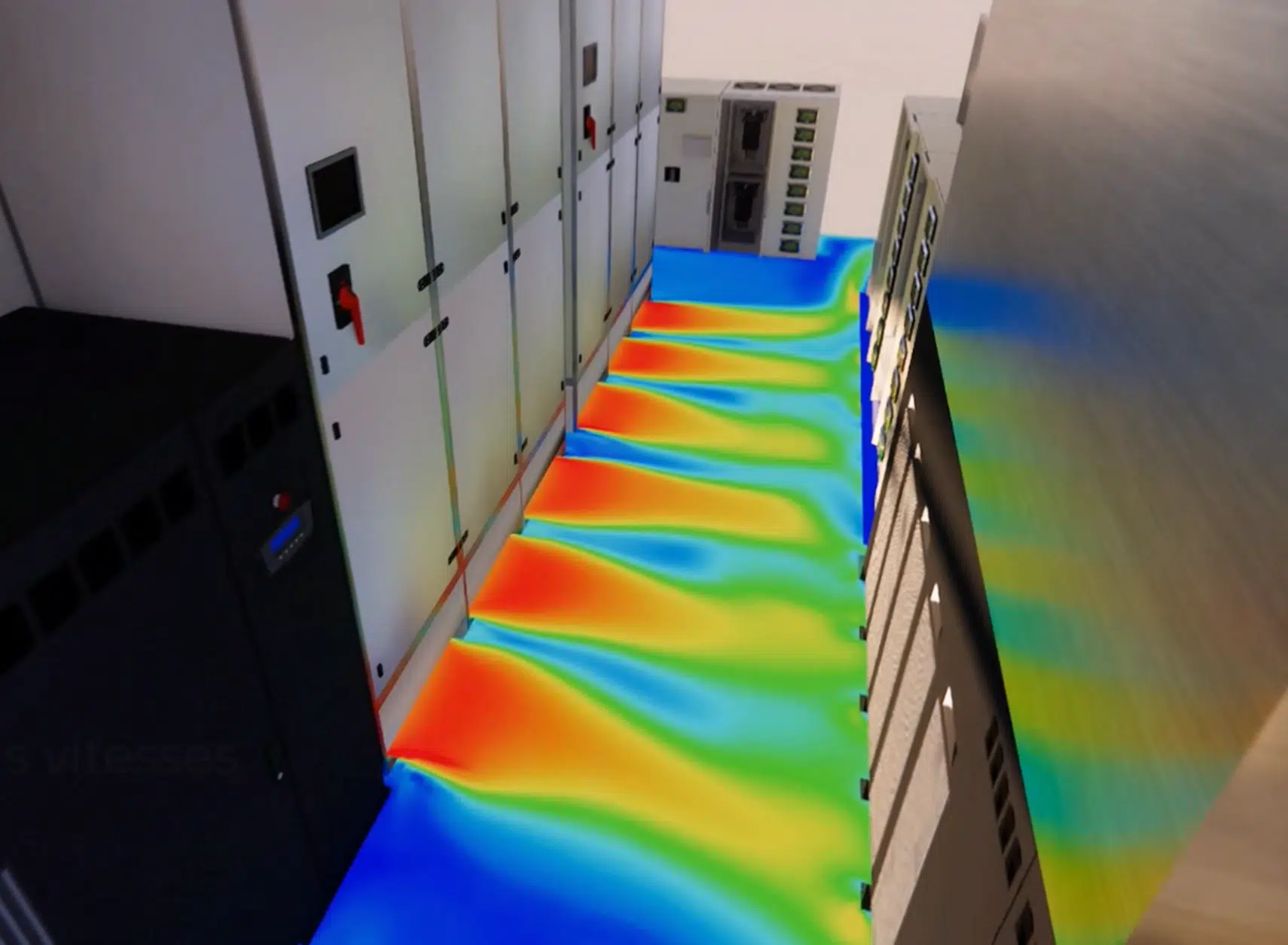 Technical roomsTechnical rooms – Data Center
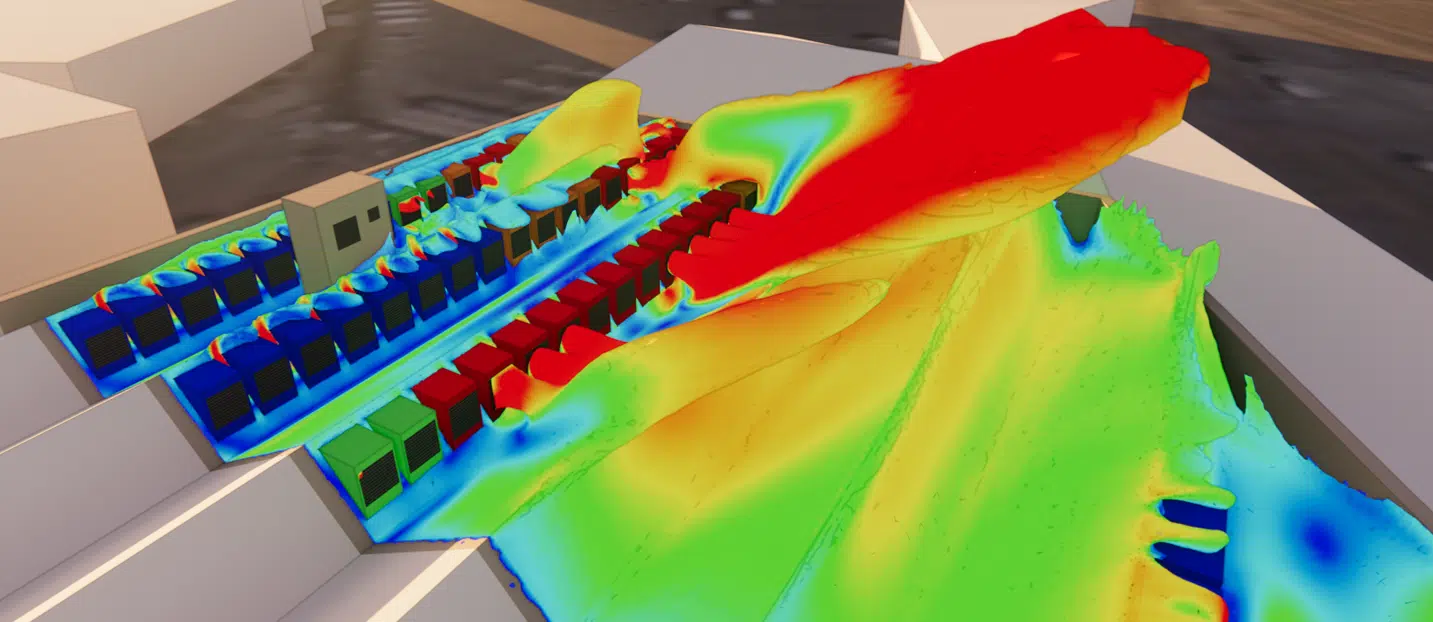 CoolingCooling optimisation – Data Center
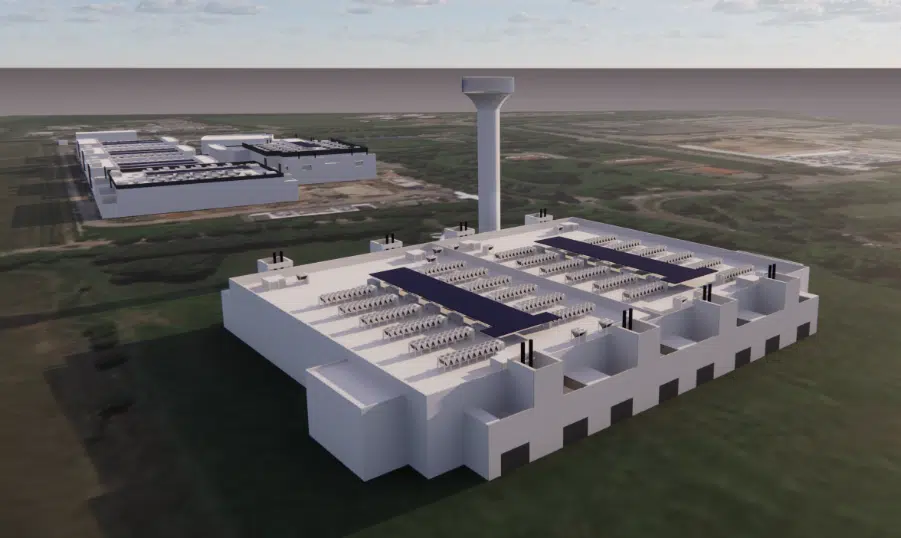 ExternalData Centers – DC15.1 & DC15.2 – External
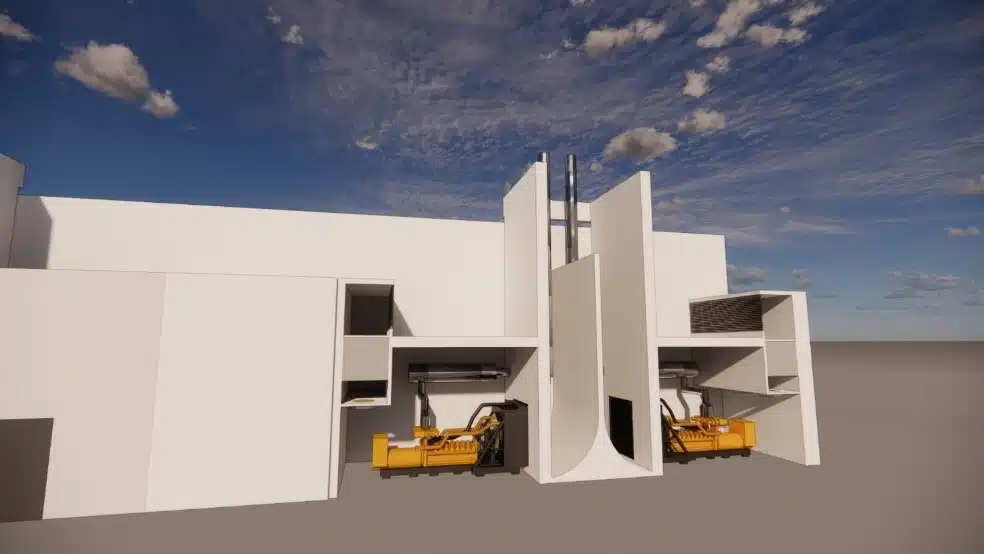 ExternalData Center – PA 22 – External
 GeneratorPressure-loss study – Generator – Data center
 ExternalData Center – Paris
 FireData Center – NOVEC gas
 InternalData center – DC17 – Internal
 ExternalData center – D14 – External
 ExternalData center – DC25 & DC26 – External
 InternalData Center – DC10 – Internal
 InternalData center – DC25 – Internal
ExternalData Center – DC25 & DC26 – External
InternalData center – DC25 – Internal
ExternalData Center – DC25 & DC26 – External