
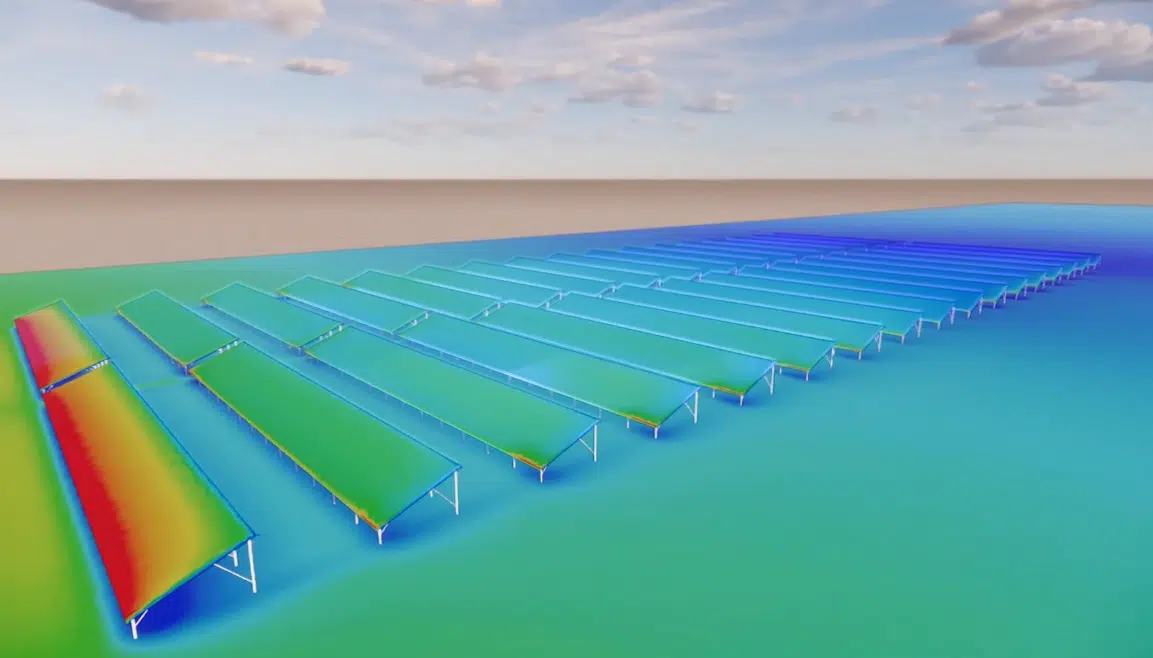
CFD study of wind pressures to optimise the panel design and reduce the steel tonnage of a photovoltaic power plant.
An in-depth study of the wind pressures was carried out on a solar power plant, with the aim of optimising the panel design and reducing the steel tonnage used, while complying with local requirements. Thanks to EOLIOS's CFD expertise, advanced simulations made it possible to assess the forces exerted by the wind in various configurations.
This detailed analysis made it possible to propose bespoke solutions, guaranteeing optimal strength and stability of the panels, while optimising the use of resources and complying with the local standards in force.
Studying wind pressures is a crucial step in improving the efficiency of solar power plants, reducing their costs, ensuring their durability and minimising their environmental impact.
The essentials. CFD study of the wind pressures on a solar power plant in Montpellier : Eurocode EN 1991-1-4 wind model, fine 3D geometry of each panel (airflow masks), several directions tested to retain the most critical scenario. Pressure coefficients and overall forces feed a mechanical study that reduces the steel tonnage : savings and a lower carbon footprint, at equal strength.
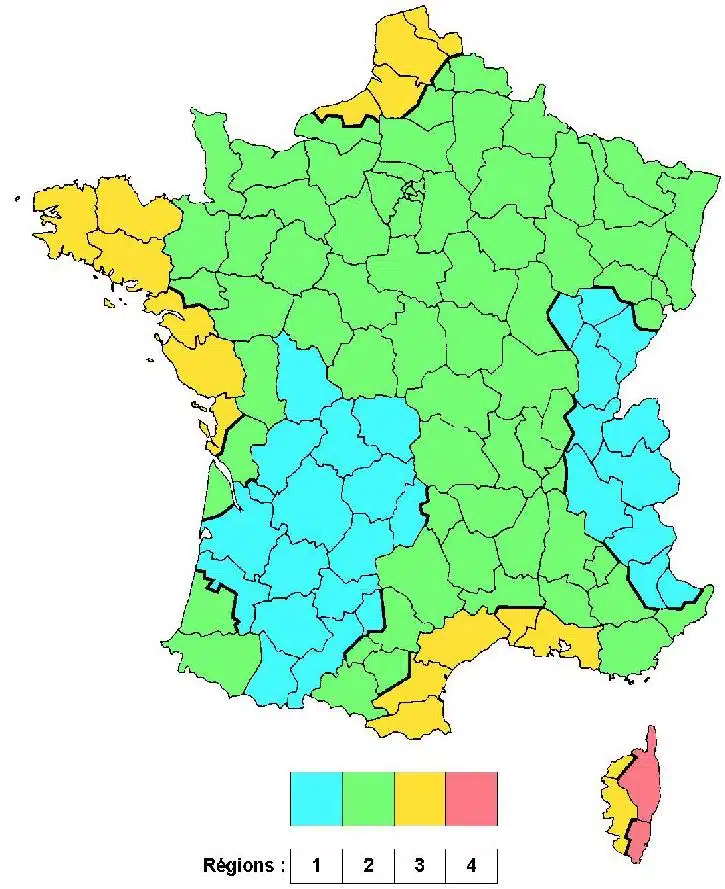
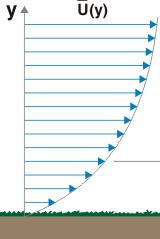
The wind model is based on the Eurocode 1 (EN 1991-1-4) standard. This approach makes it possible to determine the maximum loads to which the structures would be subjected in the event of strong wind, in order to size the plant's components accordingly and limit the risk of damage in bad weather. The model takes into account the variability of the wind with height, as well as factors such as the geographical location, the local orography, the seasonal and directional coefficients, the type of surrounding terrain and the turbulence intensity.
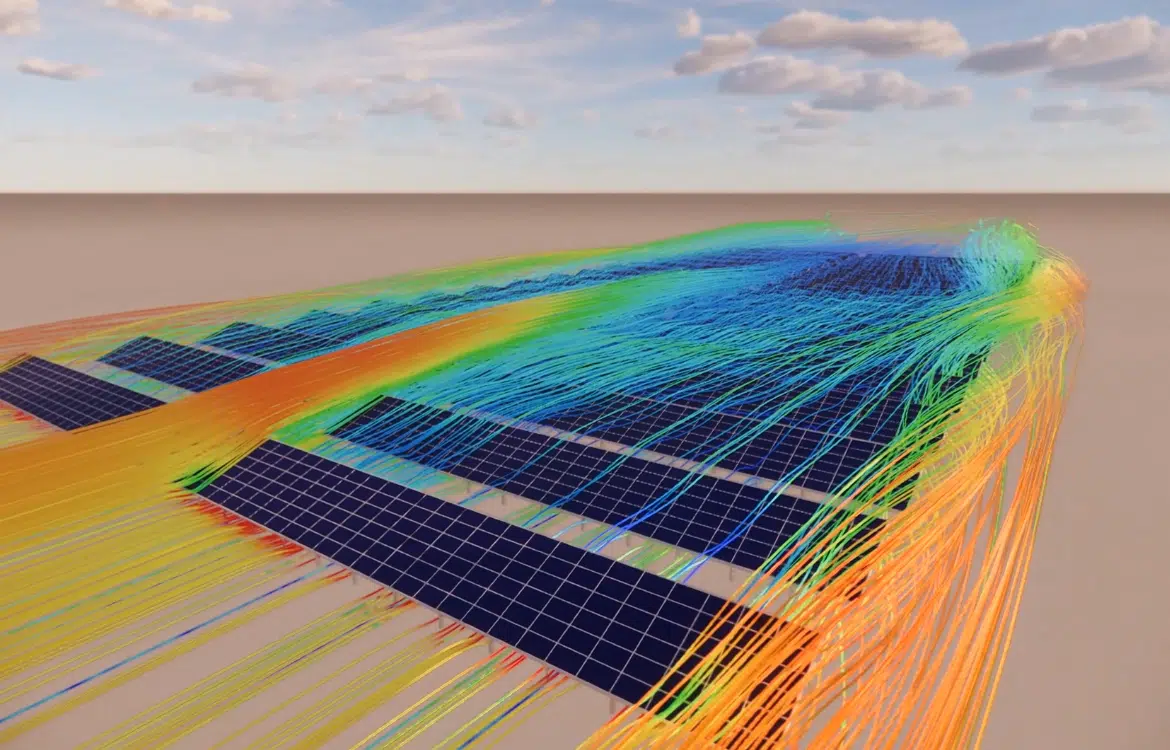
This multi-factor model guarantees accurate results that comply with the regulatory requirements. To obtain a complete picture of the loads exerted by the wind on the panels, different wind directions were taken into account, making it possible to identify the most critical scenario and adapt the design of the structures.
European standard for the wind actions on structures. It provides the reference wind speed by geographic zone, altitude, terrain and season, the regulatory starting point for sizing that CFD then refines.
To guarantee accurate simulations, the geometry of each panel was meticulously modelled in 3D. This approach faithfully reproduces reality by taking into account the position of each panel relative to the others, and makes it possible to analyse the airflow masks formed by their arrangement, the zones where the wind is disturbed or slowed by the presence of the panels.
The shelter effect a panel exerts on those behind it. The row arrangement creates protected zones and exposed ones ; only a full 3D geometry captures this, where a generic formula ignores it.
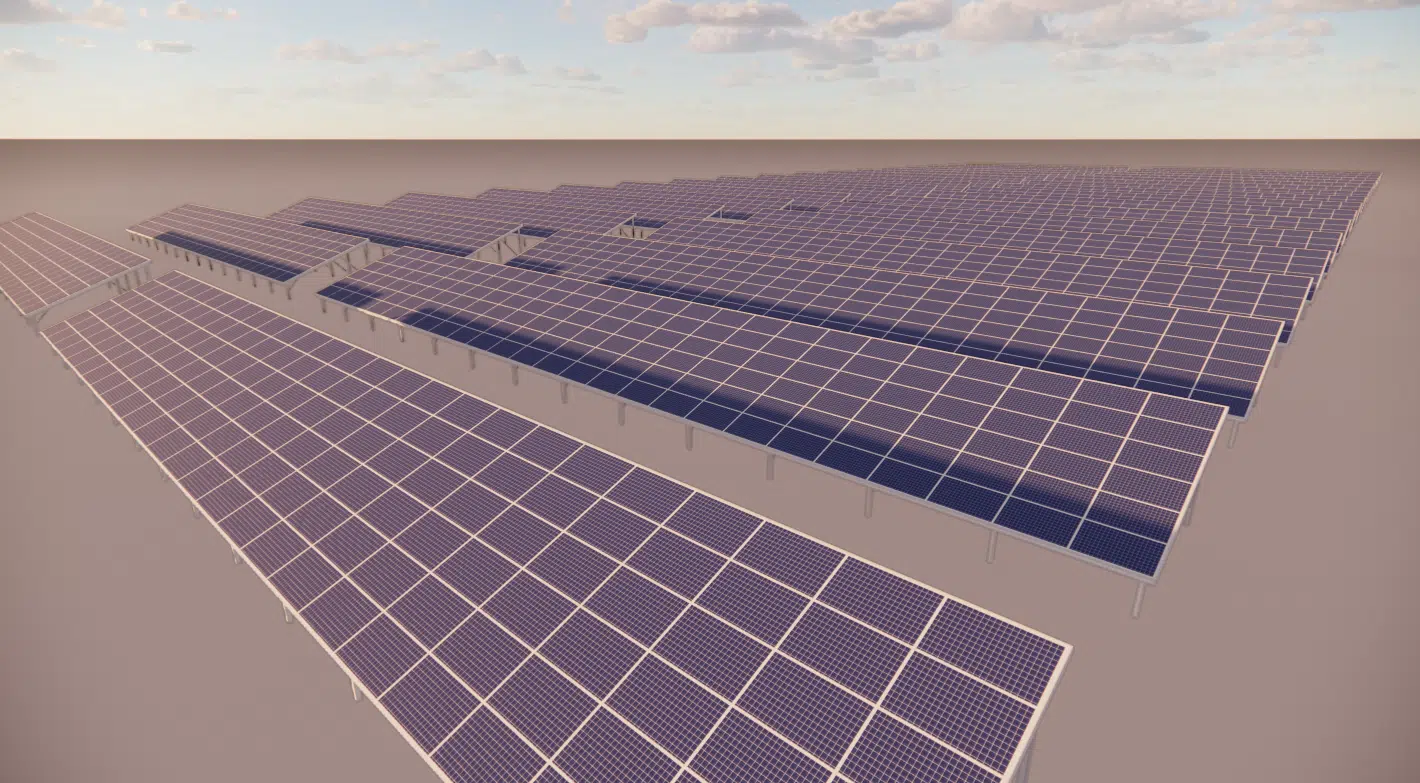
Carrying out a CFD (computational fluid dynamics) study on a photovoltaic plant offers several advantages. CFD allows a detailed analysis of the wind flows around the panels, essential to understanding the forces exerted on the structures and assessing the mechanical loads on the panels and the surrounding components.
While approximate standard values can be obtained for simple geometries from datasets such as Eurocode 1, it is often necessary to take into account a more precise geometry, the impact of the number and arrangement of the panels and other parameters specific to the case studied. The CFD approach makes it possible to better understand the influence of these factors on the flows and therefore on the pressures generated.
Worth remembering. CFD does not replace the Eurocode, it refines it : by incorporating the real arrangement of the panels, it avoids blanket oversizing and secures sizing as accurately as possible, saving material and cost at equal safety.
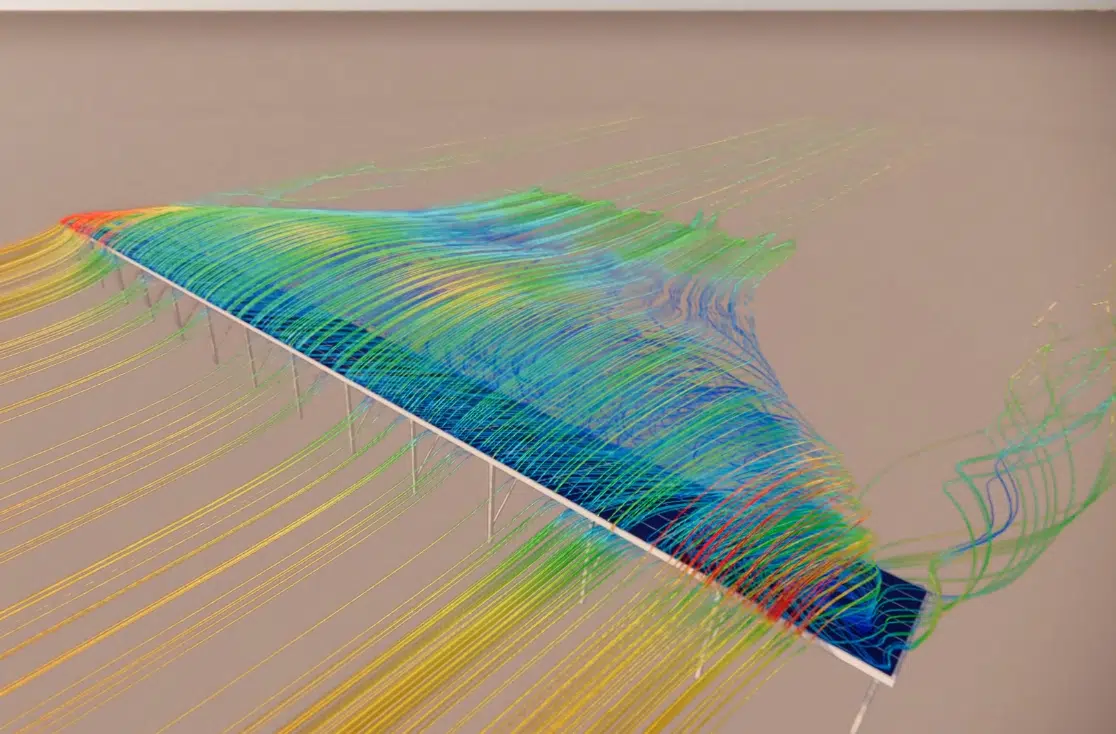
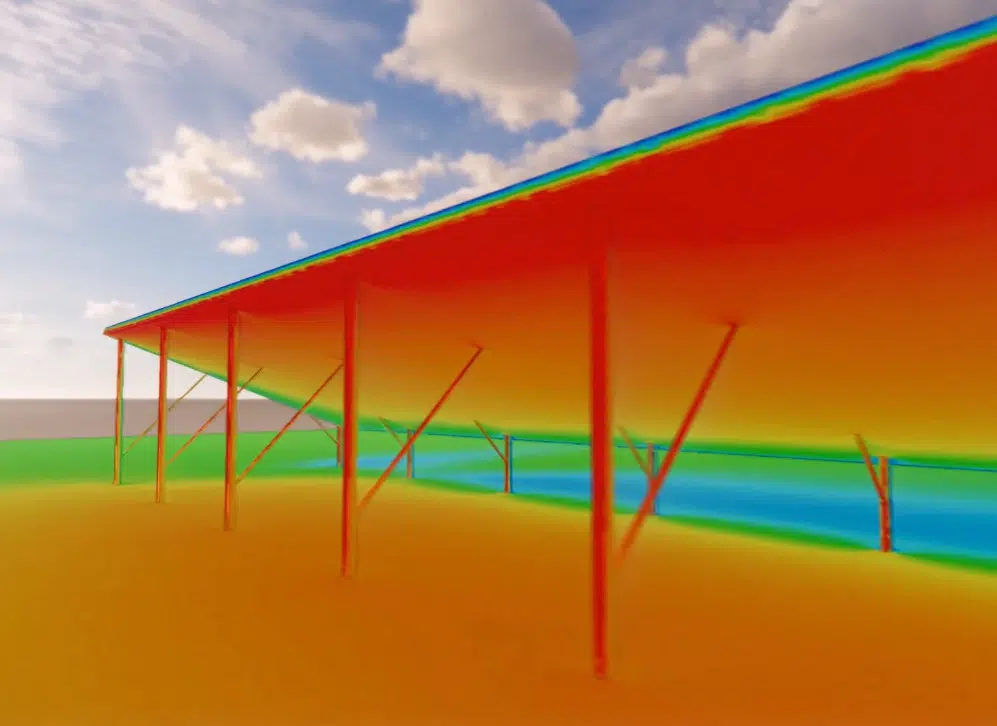
This study made it possible to obtain accurate data on the pressures exerted at every point of the structures. A detailed map of the mean pressures by zone was generated, and pressure coefficients were calculated for each zone, giving the variations in mean pressure as a function of the wind speed.
A dimensionless number linking the local pressure on a surface to the wind speed. Once calculated per zone, it gives the pressure for any design speed, without re-running a full computation.
The overall forces exerted on each structure were calculated: the pressure effects on the lower and upper faces of the panels were taken into account, combined and integrated over the surfaces to obtain an overall force, whose point of application is determined, crucial to understanding how these forces are taken up by the panel supports.
Thanks to the accurate data on the forces and pressures, mechanical studies make it possible to optimise the sizing of the structures: optimal thickness of the supports or feet, or optimal number of feet, while ensuring sufficient rigidity to withstand the loads induced by the wind.
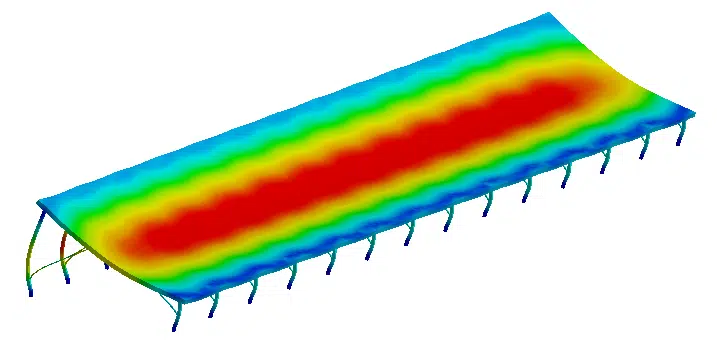
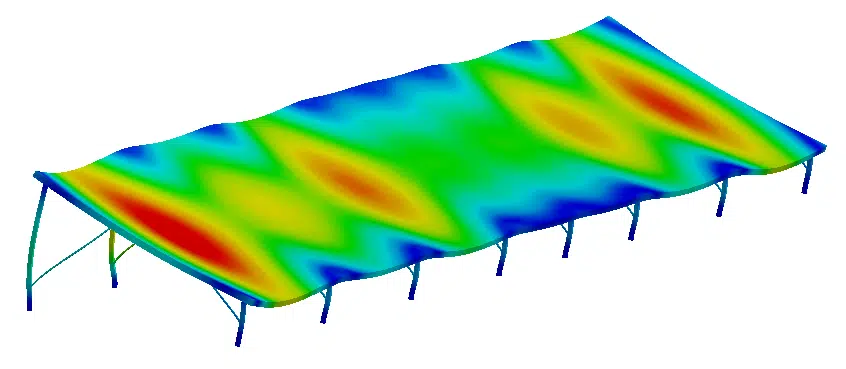
By optimising these parameters, we guarantee that the plant is able to withstand the strongest winds — and therefore the safety and durability of the installation. By minimising the amount of raw material without compromising strength or functionality, significant savings are also achieved.
This translates into economic benefits for the operators, but also environmental benefits, by reducing the carbon footprint associated with the materials used.
Expertise: wind pressure on buildings, Eurocode 1Wind pressure, Eurocode and structural optimisation of a solar power plant.
Wind is the main load acting on the panels and their supports. Quantifying it well makes it possible to size the structures as accurately as possible : neither undersized (risk of failure) nor oversized (wasted steel).
The Eurocode gives approximate values for simple geometries. CFD takes into account the real geometry of the panels, their number and their arrangement (airflow masks), for far more representative pressures. See also the extreme-wind study on solar power plants.
A dimensionless number linking the local pressure on a surface to the wind speed. Calculated per zone, it gives the pressure for any design wind speed.
By knowing the forces precisely, the mechanical study optimises the thickness and the number of feet of the supports : just enough to resist, hence savings in material and a reduced carbon footprint.
The reference extreme wind from the Eurocode, tested over several directions to retain the most critical scenario. The CFD approach also remains an alternative to wind-tunnel testing.
Explore our expertise, projects and technical papers to go further than the FAQ.
CFD study of wind impact on a solar power plant: extreme winds per the Eurocode and structural resistance of the panels.
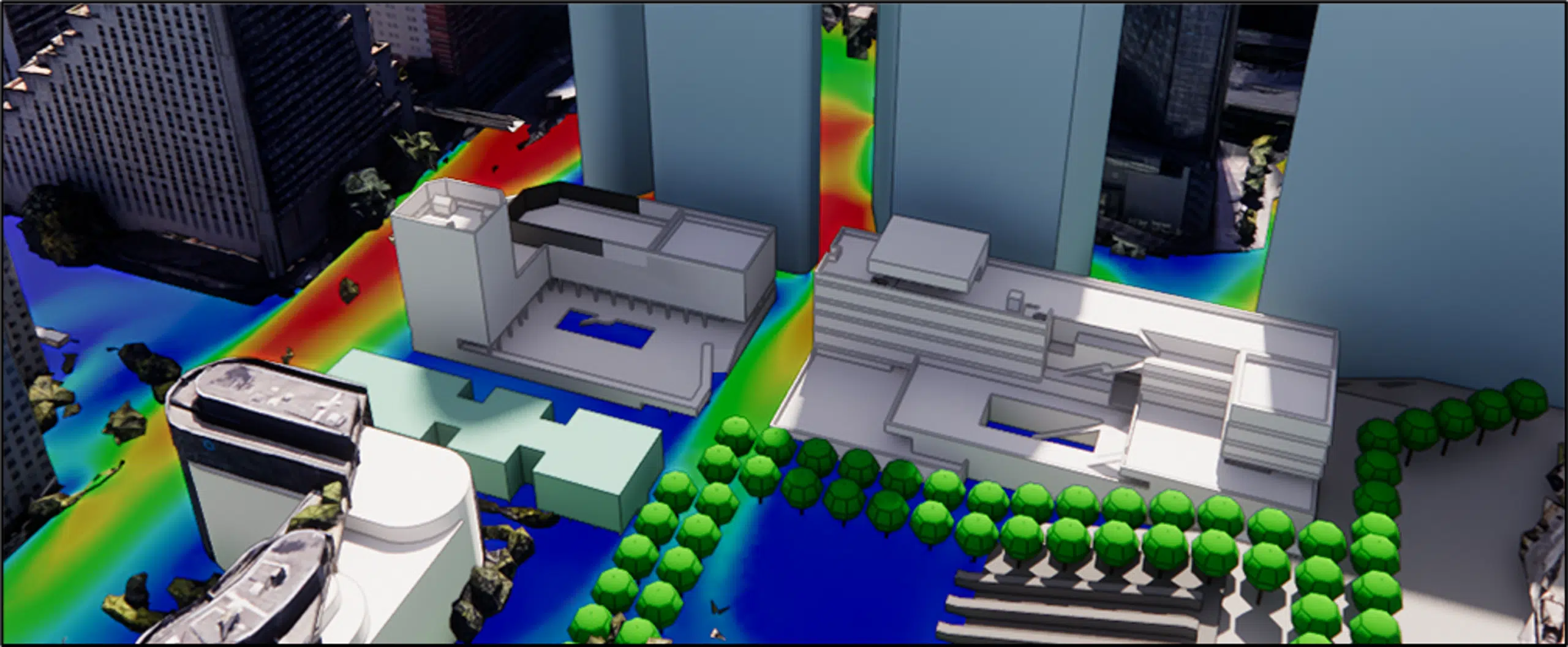 Pedestrian comfortPedestrian comfort — La Défense
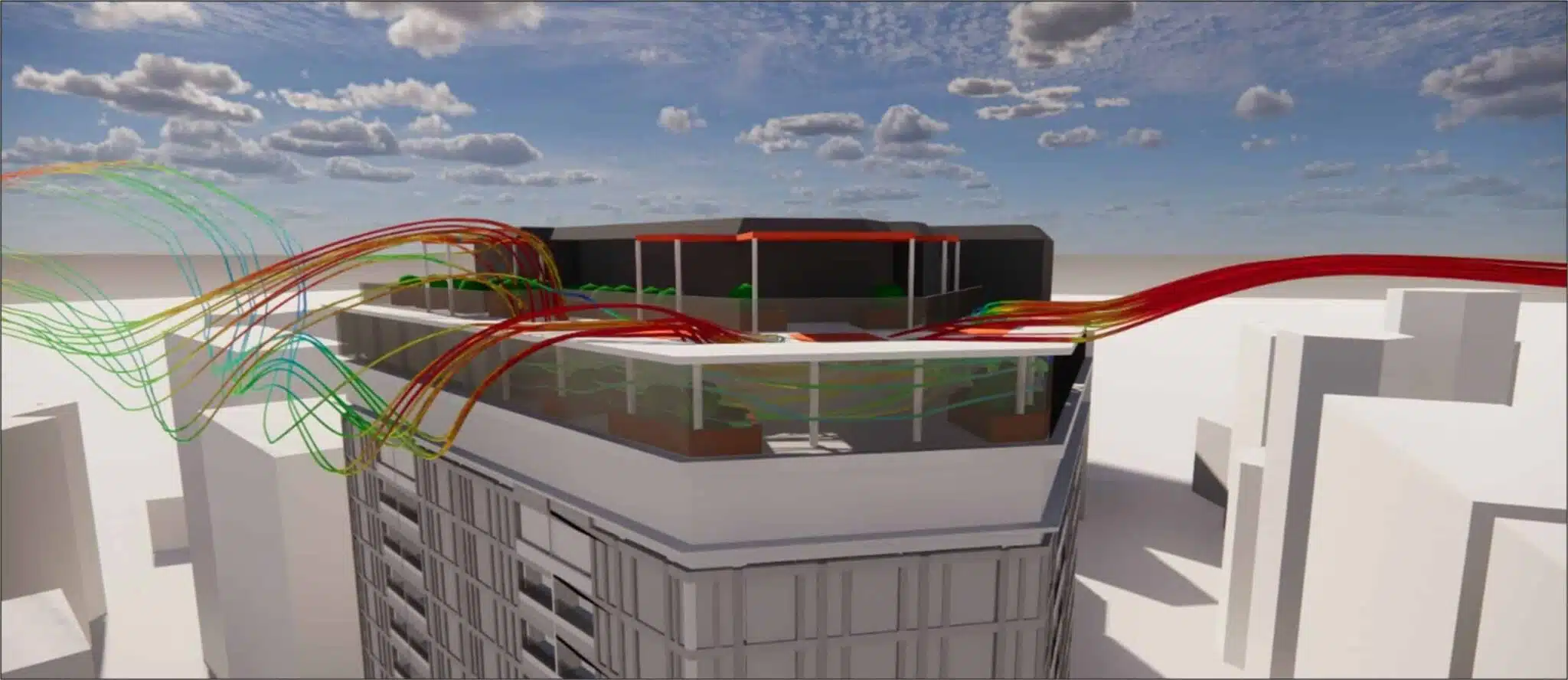 RooftopPalace rooftop — Casablanca
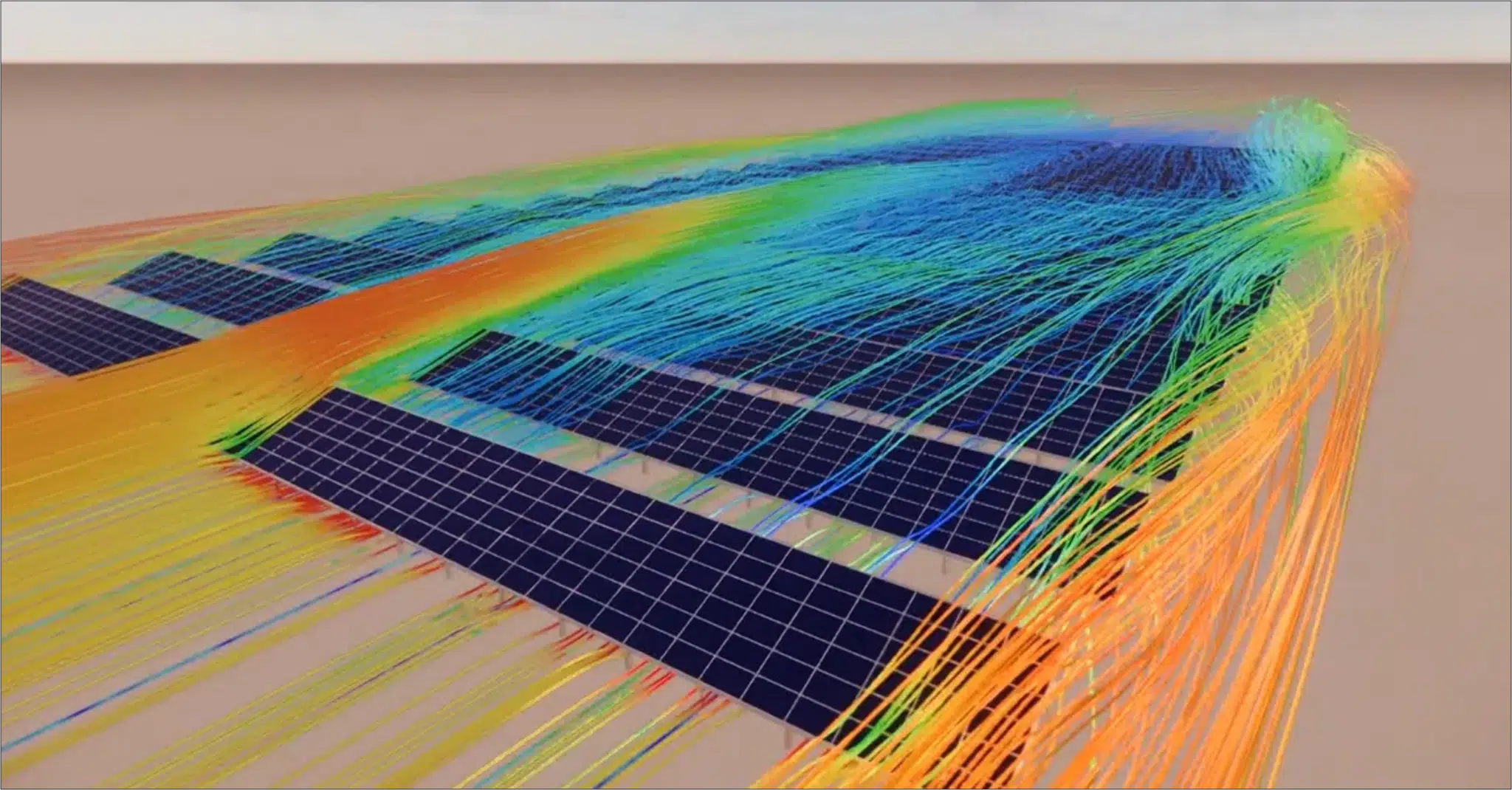 SolarWind-erosion control — solar power plant
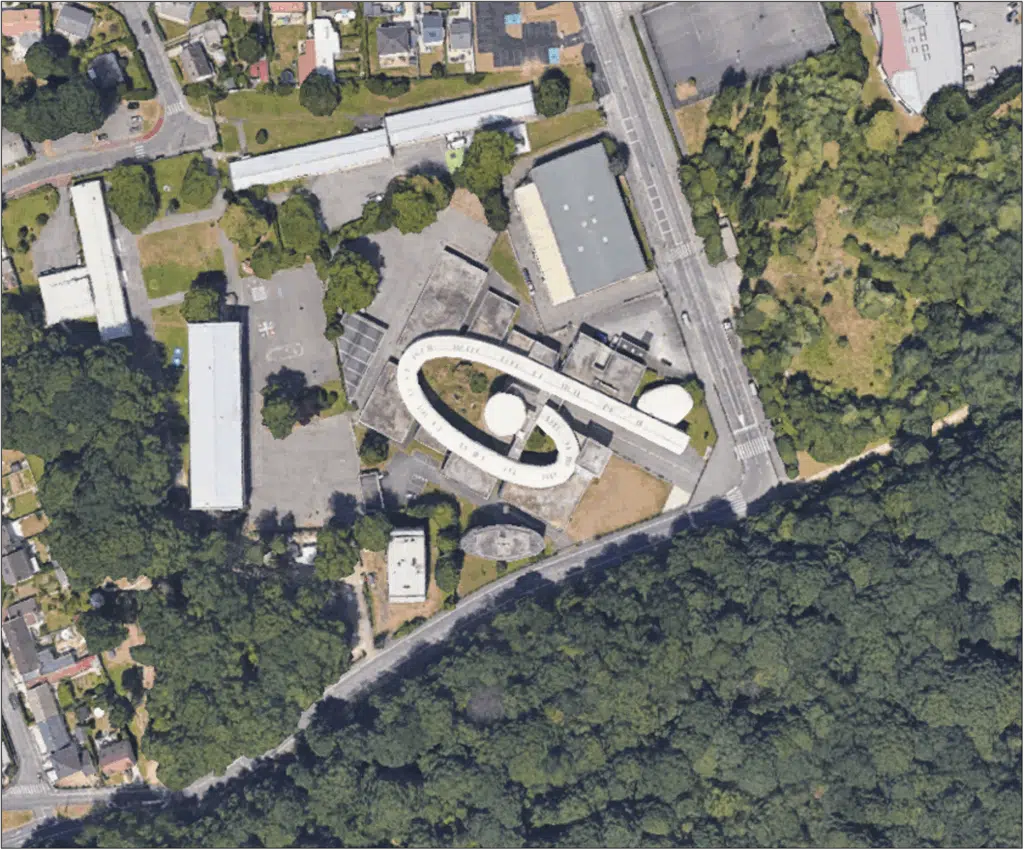 Pedestrian comfortAirflow comfort — School
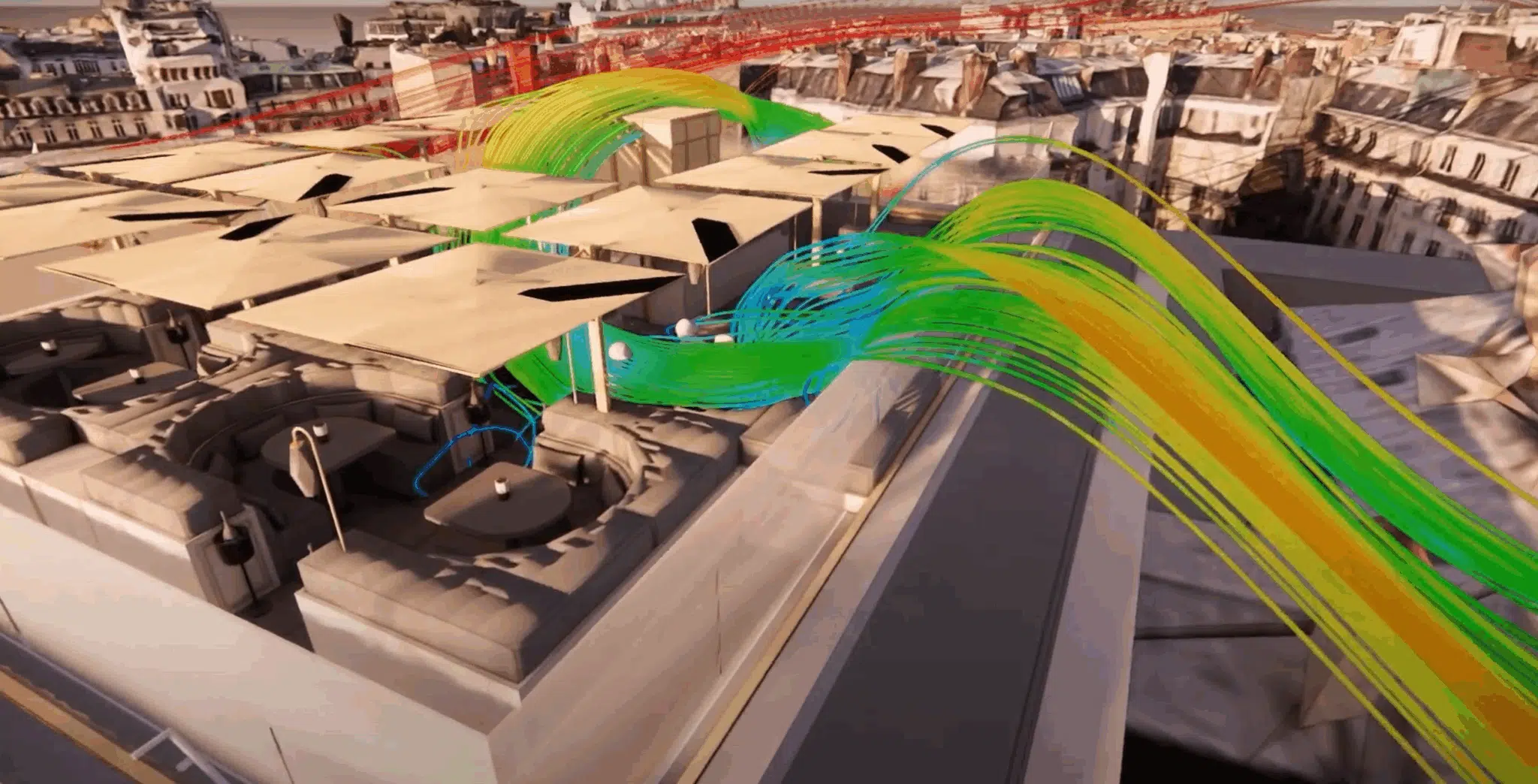 RooftopWind comfort — Rooftop
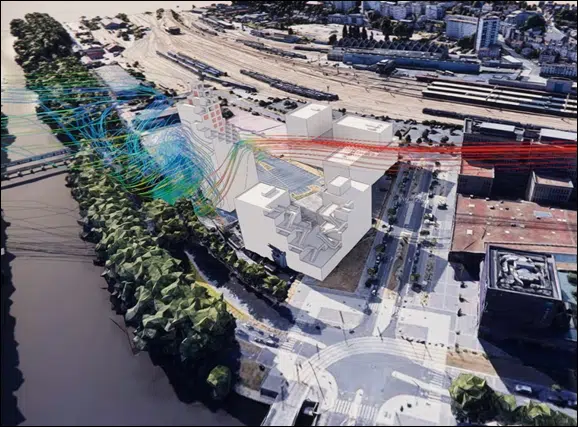 IGHWind impact — IGH tower — Caen
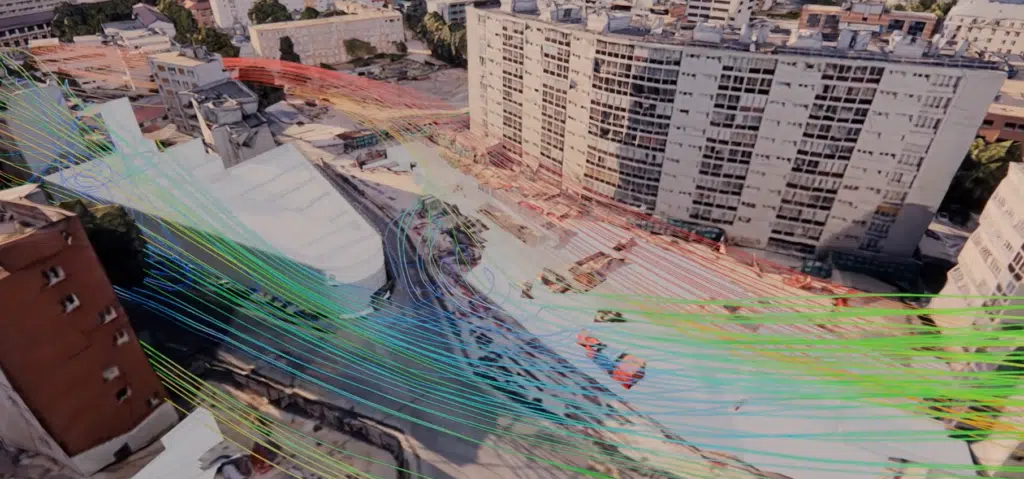 Air qualityAir quality — Issy RER station
 SafetySecuring a commercial site — Wind risk
 IGHWind impacts — Tours Olympiades — Paris
 SportWind comfort — PSG training centre
 Wind potentialWind study — La Défense
 IGHTour Liberté — La Défense
 Air qualityFine-particle capture — Metro
 Wind potentialBalenciaga — Wind potential