
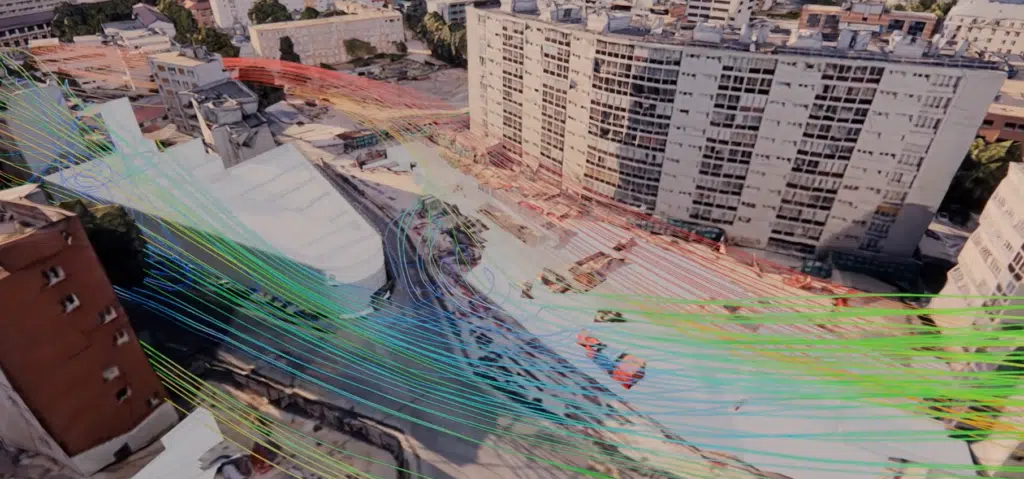
CFD study of air quality on the Issy underground RER station construction site: securing the working conditions during the works phase.
The construction phase of an underground rail infrastructure represents a major challenge for air quality. In the absence of permanent ventilation systems, the closed spaces are subject to complex airflow phenomena, dependent on the configuration of the site, the temporary openings and the weather conditions.
EOLIOS Engineering worked on the Issy RER station construction site in order to analyse the air movements, identify the at-risk zones and propose solutions to guarantee a healthier and safer working environment.
The essentials — On the Issy underground RER station construction site, EOLIOS carried out an airflow audit with smoke tests then a CFD study comparing three ventilation configurations. Natural ventilation alone is insufficient at depth, temporary partitioning worsens the confinement, and only the supply of fresh air by forced ventilation reduces the stagnation zones — the configuration selected to secure the working conditions.
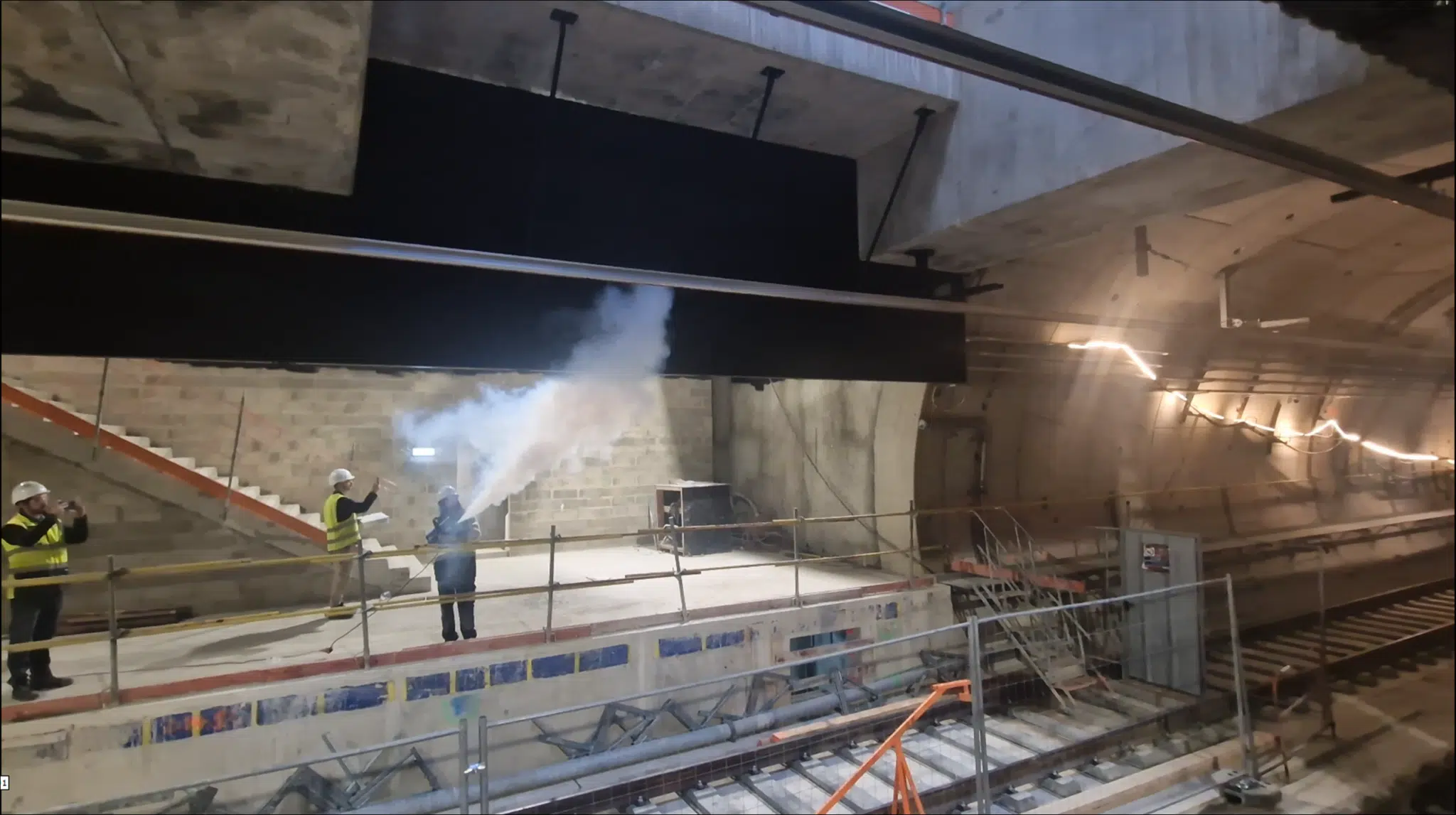
The works (cutting, welding…) generate fine dust and pollutants liable to accumulate in poorly ventilated zones and spread to other levels, degrading the air quality for the workers. The EOLIOS team carried out an on-site airflow audit, including smoke tests, to visualise the air inlets and outlets and the broad trends of the flows between levels.
Controlled emission of tracer smoke on site to make the air flows visible — inlets, outlets and circulation between levels. They calibrate the CFD model on the real behaviour of the site.
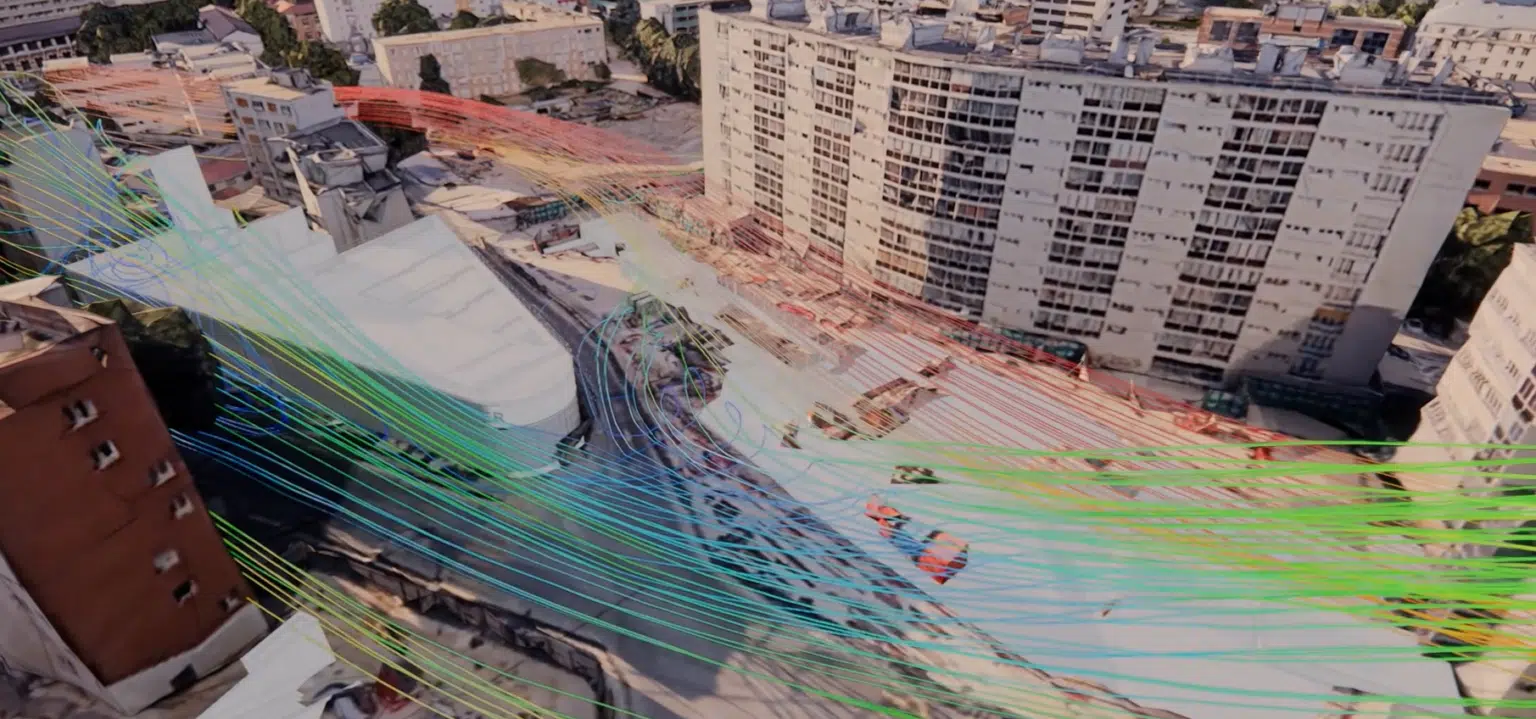
An external and internal 3D model of the station was built to take into account the strong geometric constraints and the evolving nature of the structure, while maintaining a global and coherent view of the air flows.
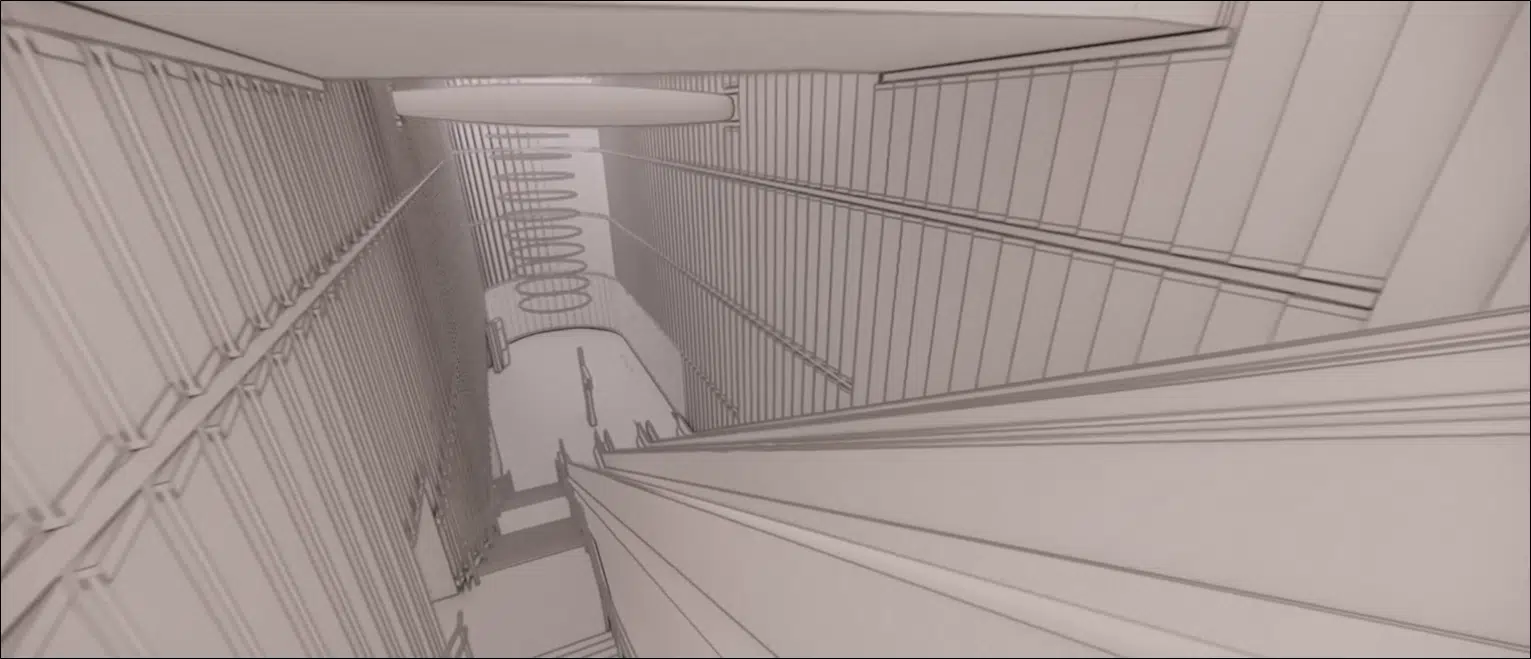
Three configurations were simulated: the existing configuration (natural ventilation), a configuration with temporary partitions, and an optimised configuration with supply ducts (forced ventilation). The comparison identifies the configurations most favourable to air renewal and those generating airflow imbalances.
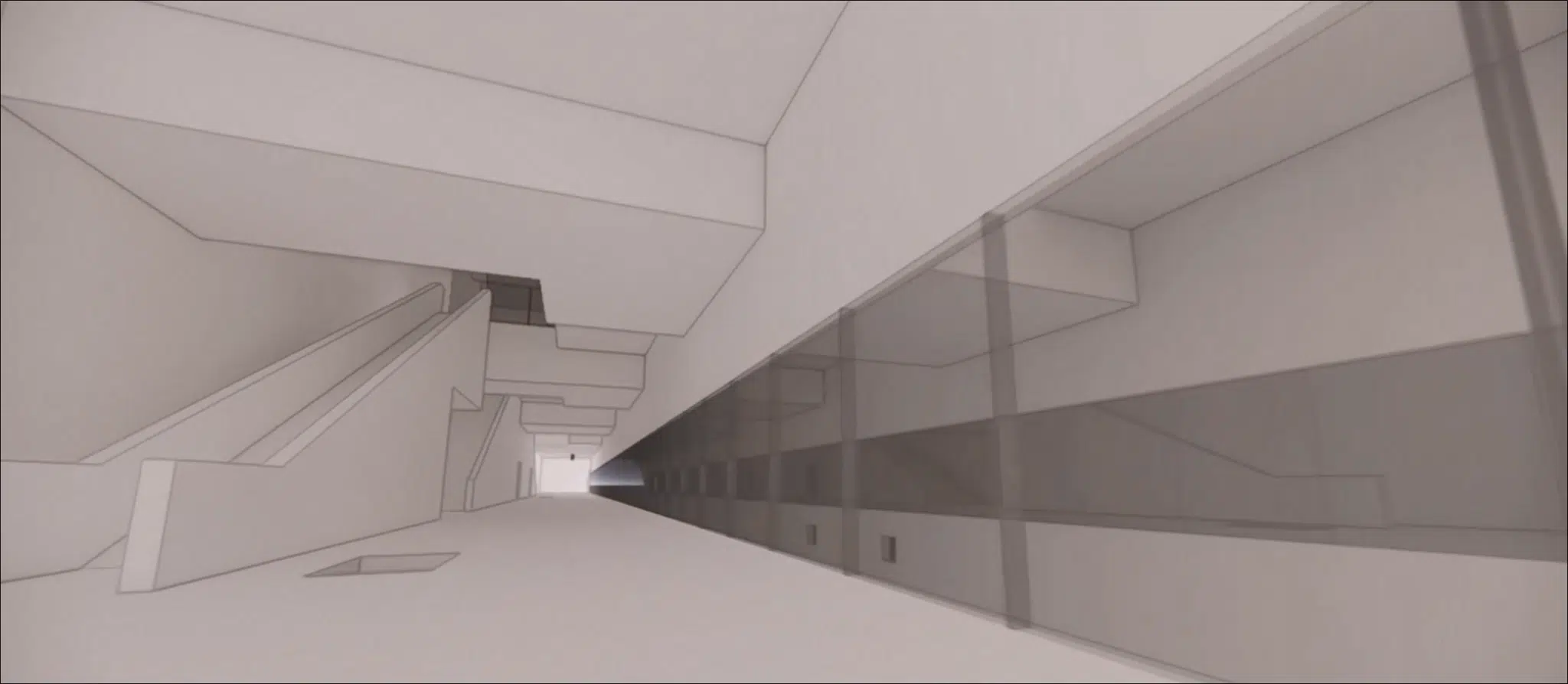
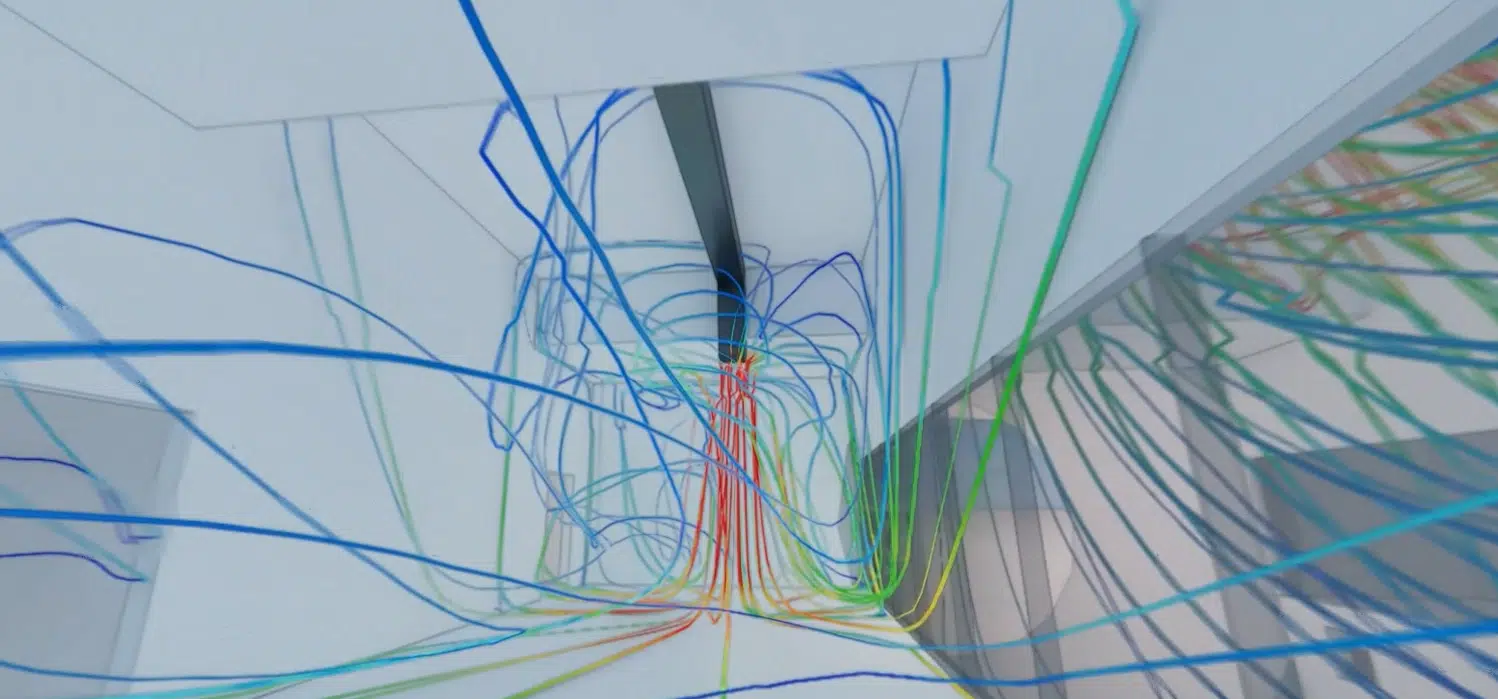
The initial state reveals weak and poorly structured air movements: while the levels near the surface benefit from a relative renewal, the situation deteriorates at depth, with very low speeds, a high age of air and marked stagnation zones under the platforms. This configuration does not guarantee satisfactory air quality.
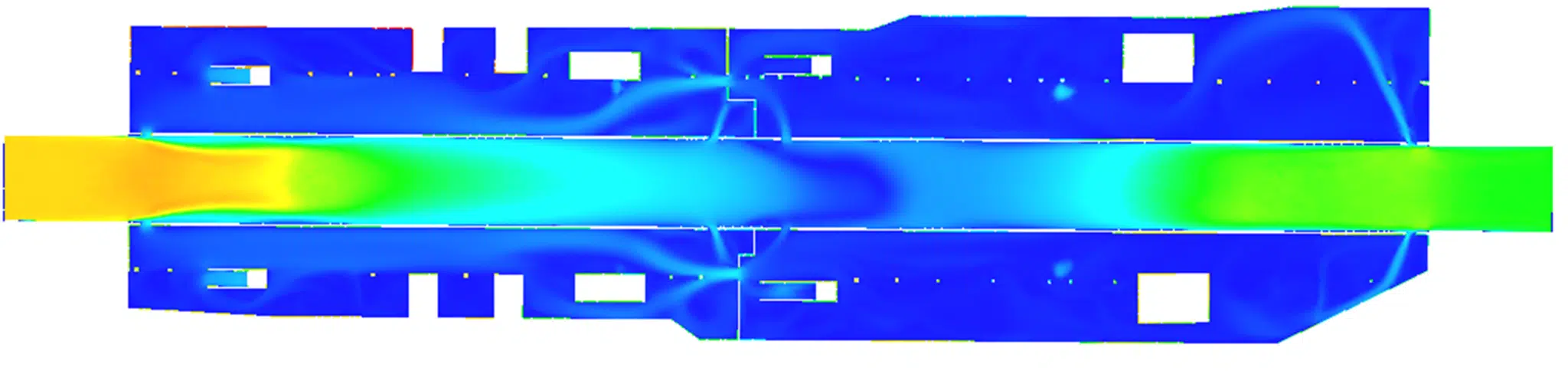
Adding temporary partitions limits the exchanges between volumes and hinders the vertical circulation of the air, accentuating the confinement of the lower levels. The simulations show an increase in the mean age of air and more extensive stagnation zones than in the initial configuration.
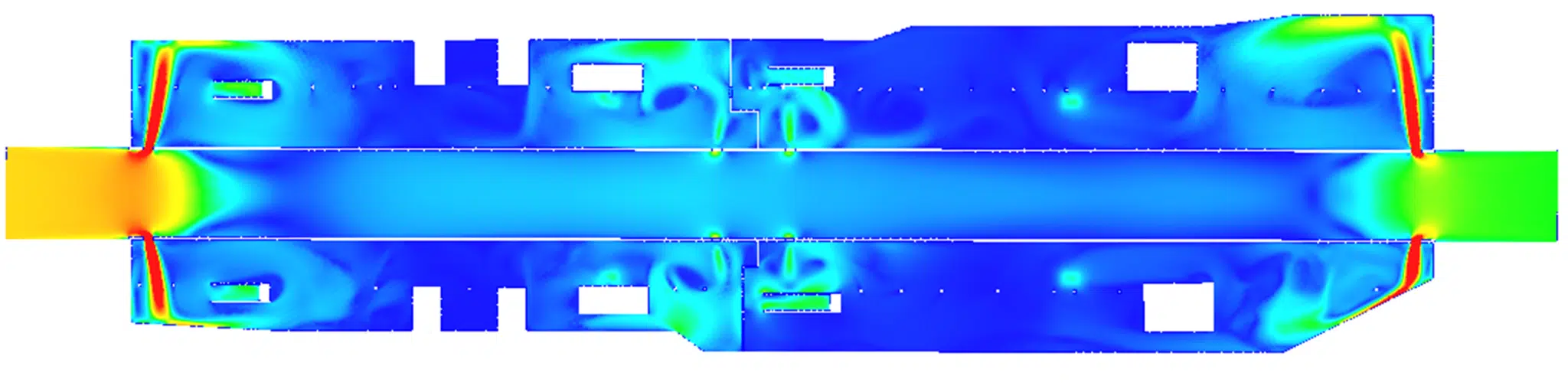
The supply of fresh air by forced ventilation gives markedly more favourable results: the mixing improves in the targeted zones, the stagnations are reduced and the renewal becomes more effective at depth. Positioned as close as possible to the critical zones, the air supplies extend the improvement to larger volumes. This configuration is selected to secure the working conditions.
Beyond the speeds, the mean age of air characterises the freshness of the air in each zone. The results contrast low-age zones (satisfactory renewal) and high-age zones (insufficient ventilation, risk of pollutant accumulation), located mainly under the platforms and in the lower levels.
The average time taken by an air particle to reach a given point from its entry into the volume. The lower it is, the fresher and more renewed the air; a high age signals a confined zone at risk of pollutant accumulation.
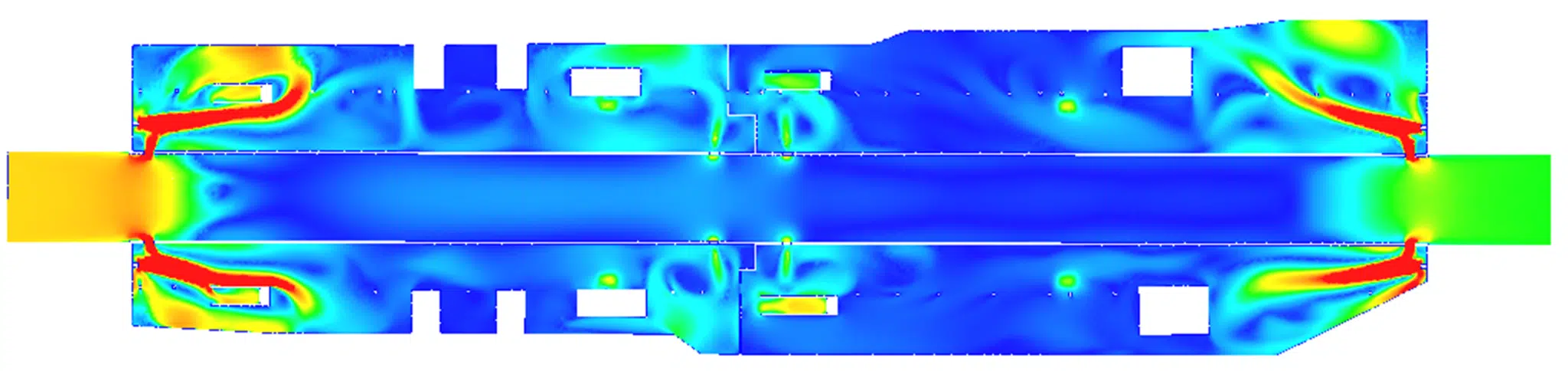
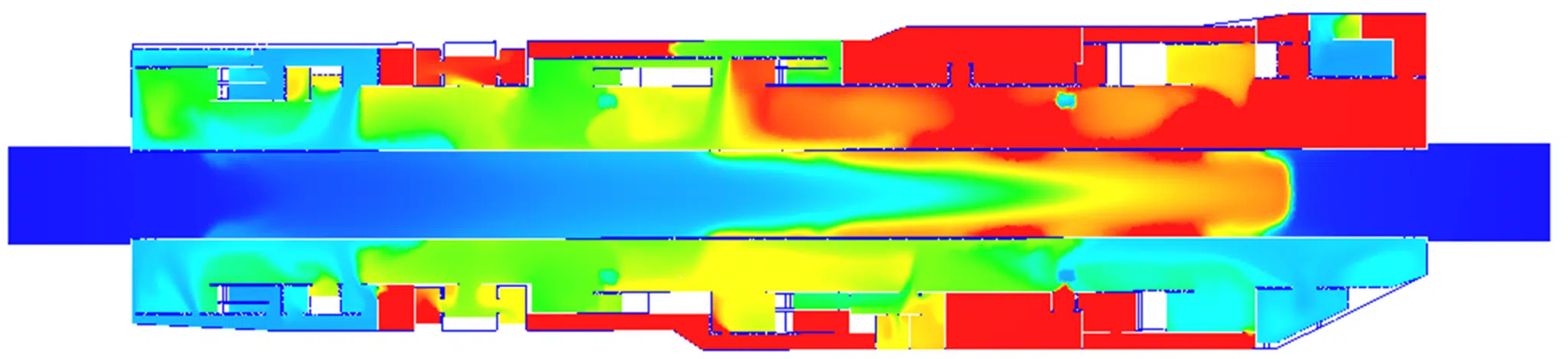
The study highlights that natural ventilation alone is insufficient during the construction phase, that some configurations (partitions) worsen the confinement, and that targeted air supplies locally improve the situation. A strategy tailored to the critical zones is essential to guarantee satisfactory air quality.
CFD made it possible to prioritise the issues, identify the most effective improvement levers and formulate recommendations suited to the operational constraints of the construction site.
Expertise: the study of air quality in metro stationsAir quality on an underground construction site, smoke tests and ventilation configurations.
In the absence of permanent ventilation systems, the works (cutting, welding) generate fine dust and pollutants that accumulate in poorly ventilated zones and spread to other levels, degrading the air breathed by the workers.
They make the real air flows visible on site — inlets, outlets and circulation between levels — and are used to calibrate the CFD simulation on the observed behaviour. See our expertise on carrying out smoke tests.
They limit the exchanges between volumes and hinder the vertical circulation of the air, accentuating the confinement of the lower levels. The simulations show a rising mean age of air and more extensive stagnation zones than in the initial configuration.
It is the average time taken by the air to reach a point from its entry into the volume. A low age reflects satisfactory renewal; a high age signals insufficient ventilation and a risk of pollutant accumulation.
No: on its own, it leaves the deep levels in stagnation. Only the supply of fresh air by forced ventilation, targeted at the critical zones, renews the air effectively. More broadly, see our indoor air quality study.
Explore our expertise, projects and technical papers to go further than the FAQ.
CFD study of air quality on the construction site of the Issy underground RER station: pollutant dispersion, ventilation and air renewal in a confined space.
 Pedestrian comfortPedestrian comfort — La Défense
 Solar energyWind impact — solar farm
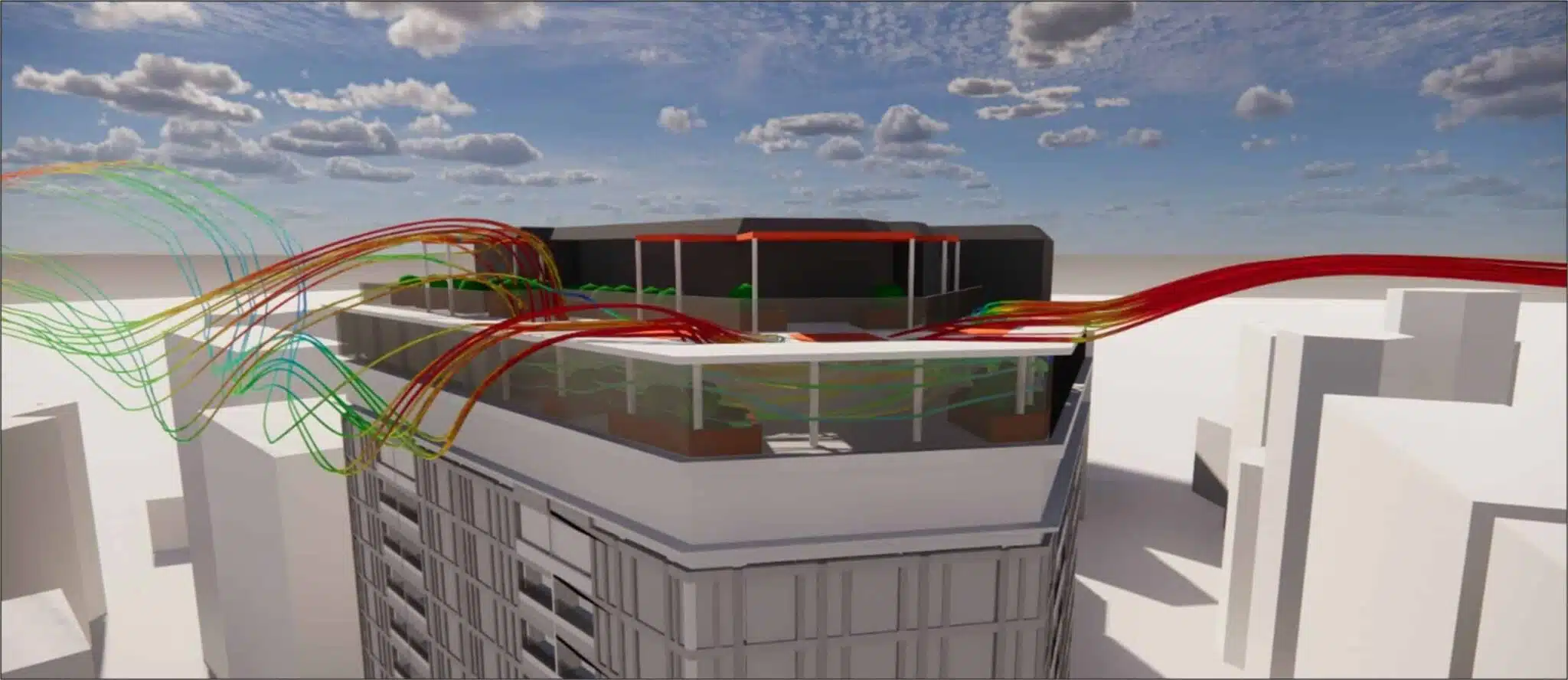 RooftopPalace rooftop — Casablanca
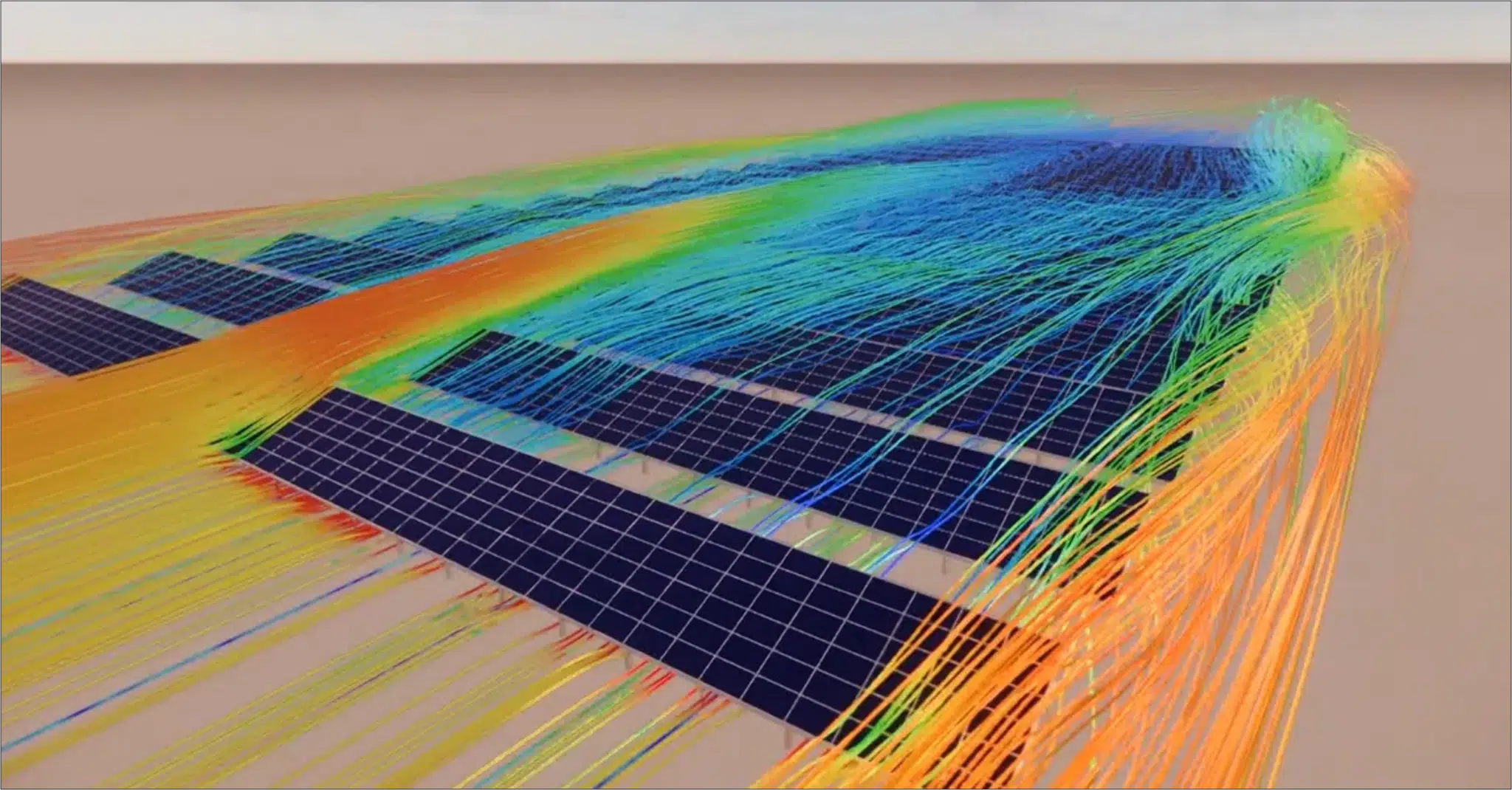 SolarWind-erosion control — solar power plant
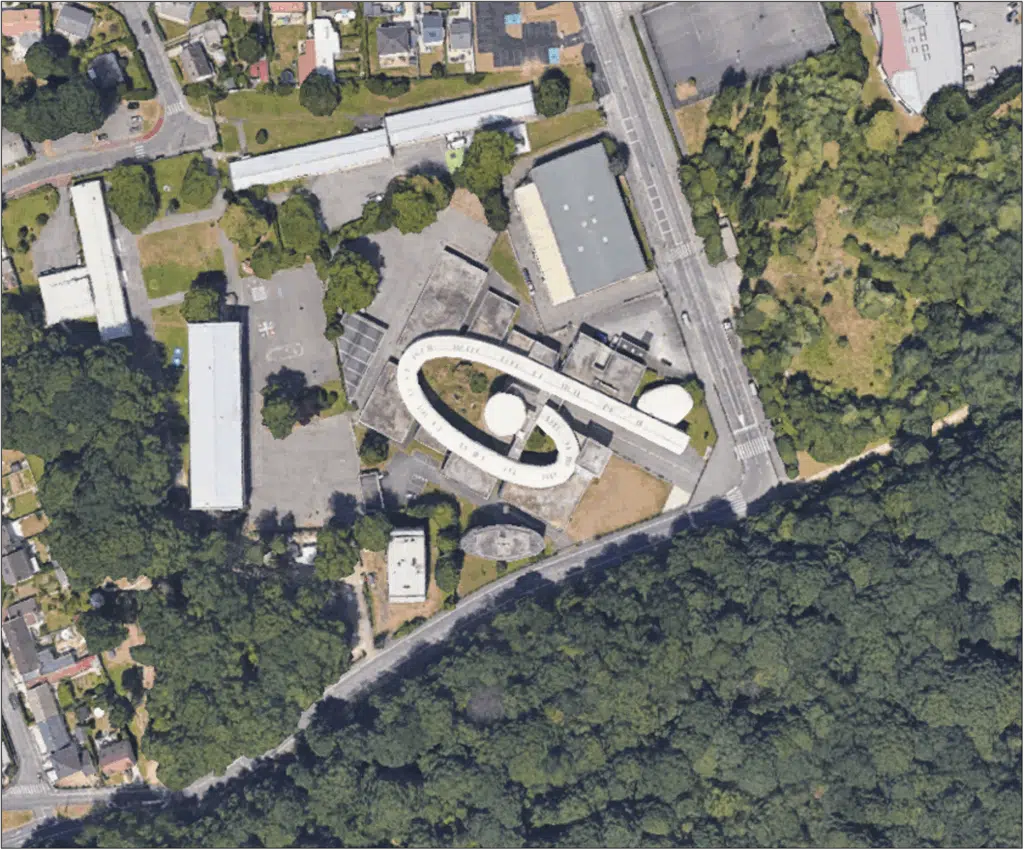 Pedestrian comfortAirflow comfort — School
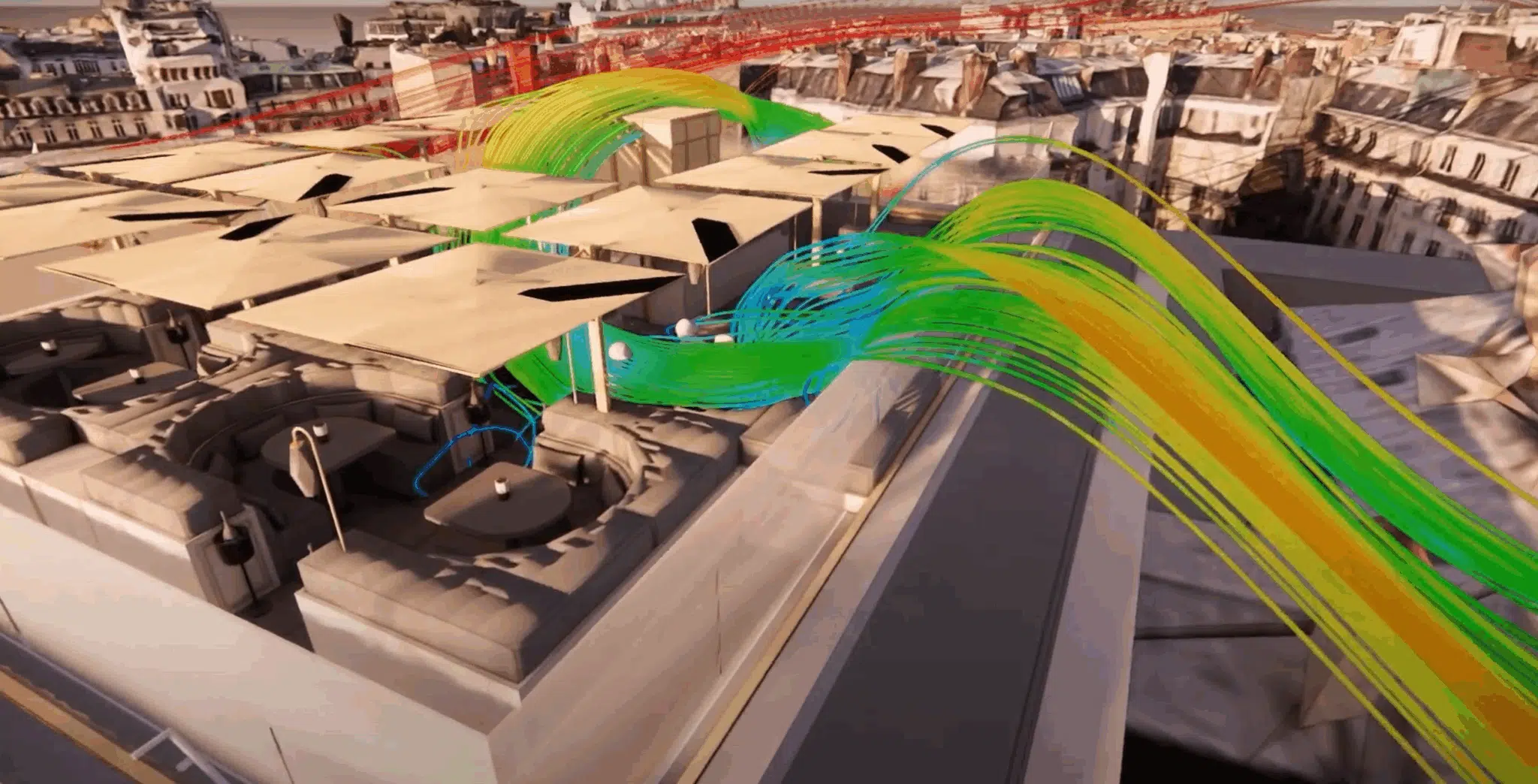 RooftopWind comfort — Rooftop
 IGHWind impact — IGH tower — Caen
 SafetySecuring a commercial site — Wind risk
 IGHWind impacts — Tours Olympiades — Paris
 SportWind comfort — PSG training centre
 Wind potentialWind study — La Défense
 IGHTour Liberté — La Défense
 Air qualityFine-particle capture — Metro
 Wind potentialBalenciaga — Wind potential
The simplest thing is to talk it through together. Our engineers reply with an initial technical read.