Impacts of poor air quality in underground railway spaces
EOLIOS specialises in air-quality studies for underground spaces — tunnels, stations, metros — where the air breathed by millions of users demands particular attention.
Model
- Atmospheric release of pollutants
- Air quality in premises
- Fine-particle concentration
Audit
- Impact study of new sites
- Site audits, surveys and measurements
- Dust-related pollution
Treat
- Odour propagation
- Covid and virus risk
- Pollutant capture in industry & laboratory
Air quality in railway stations
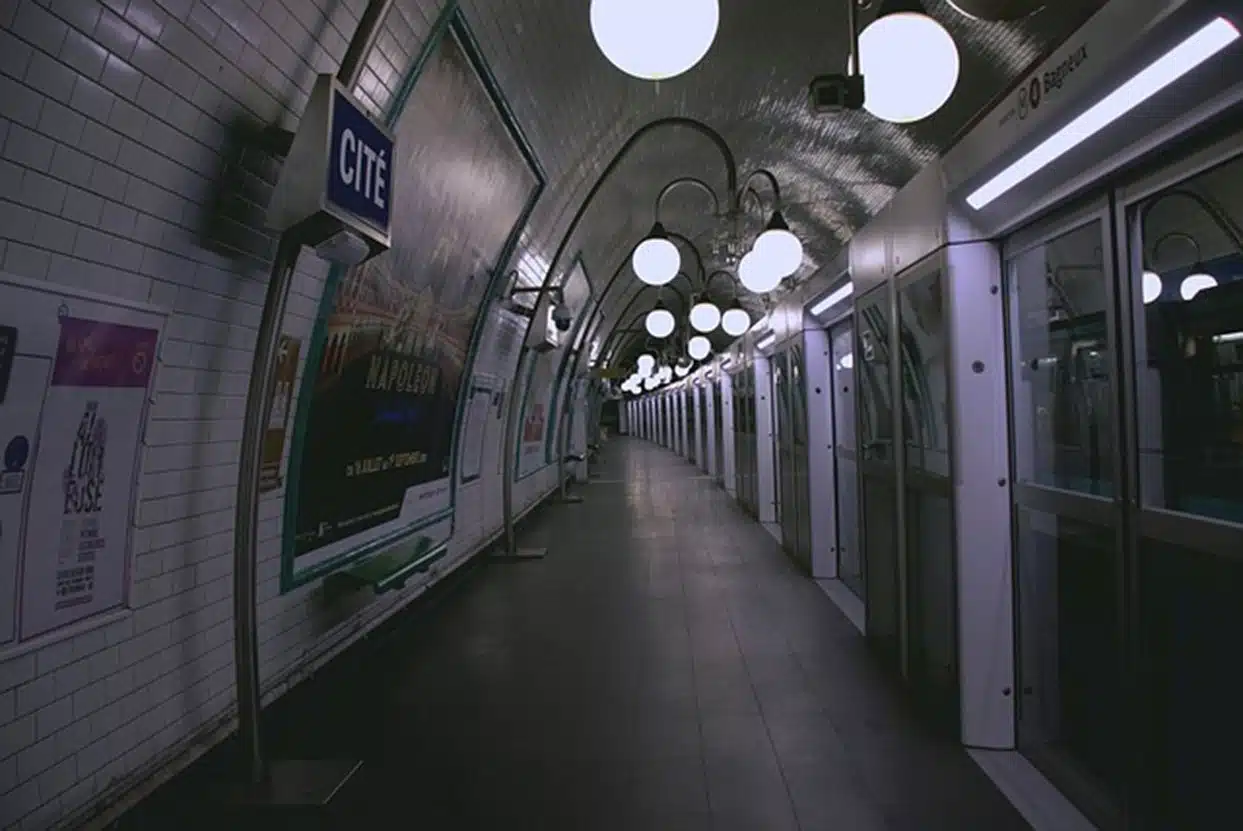
Since the early 2000s, measurements show that, on average, the concentrations of suspended particles in railway areas in France are three times higher than in urban outdoor air. The concentration is often expressed as PM10 and PM2.5; these particles enter the respiratory tract, and the finest deposit directly in the pulmonary alveoli.
The composition of railway particles differs from that of outdoor air, with high concentrations of metallic elements (notably iron), elemental and organic carbon. This pollution is caused by material wear from train braking, wheel-rail friction, and the re-suspension of dust by the movement of the trains.
The consequences of poor air quality
Epidemiological and toxicological data suggest possible serious cardiorespiratory impacts — inflammation, oxidative stress, cardiovascular activity — particularly among the workers responsible for maintaining these infrastructures. ANSES confirms the need to reduce fine-particle pollution in underground rail areas, and therefore to continue studying and improving the ventilation.
Regulations and recommendations
European Directive 2008/50/EC recommends a maximum PM10 concentration ranging from 940 μg/m³ (station used 30 min/day on average) to 260 μg/m³ (station used 2 h/day). The WHO, for the same conditions, would recommend a concentration at least three times lower. Constant air renewal is also required: the labour code mandates a flow rate of 25 to 60 m³/h per occupant depending on physical effort, and the French Standard Departmental Health Regulation (RSDT) recommends a flow above 18 m³/h per occupant.
Complete expertise in underground air quality
CFD to improve air quality
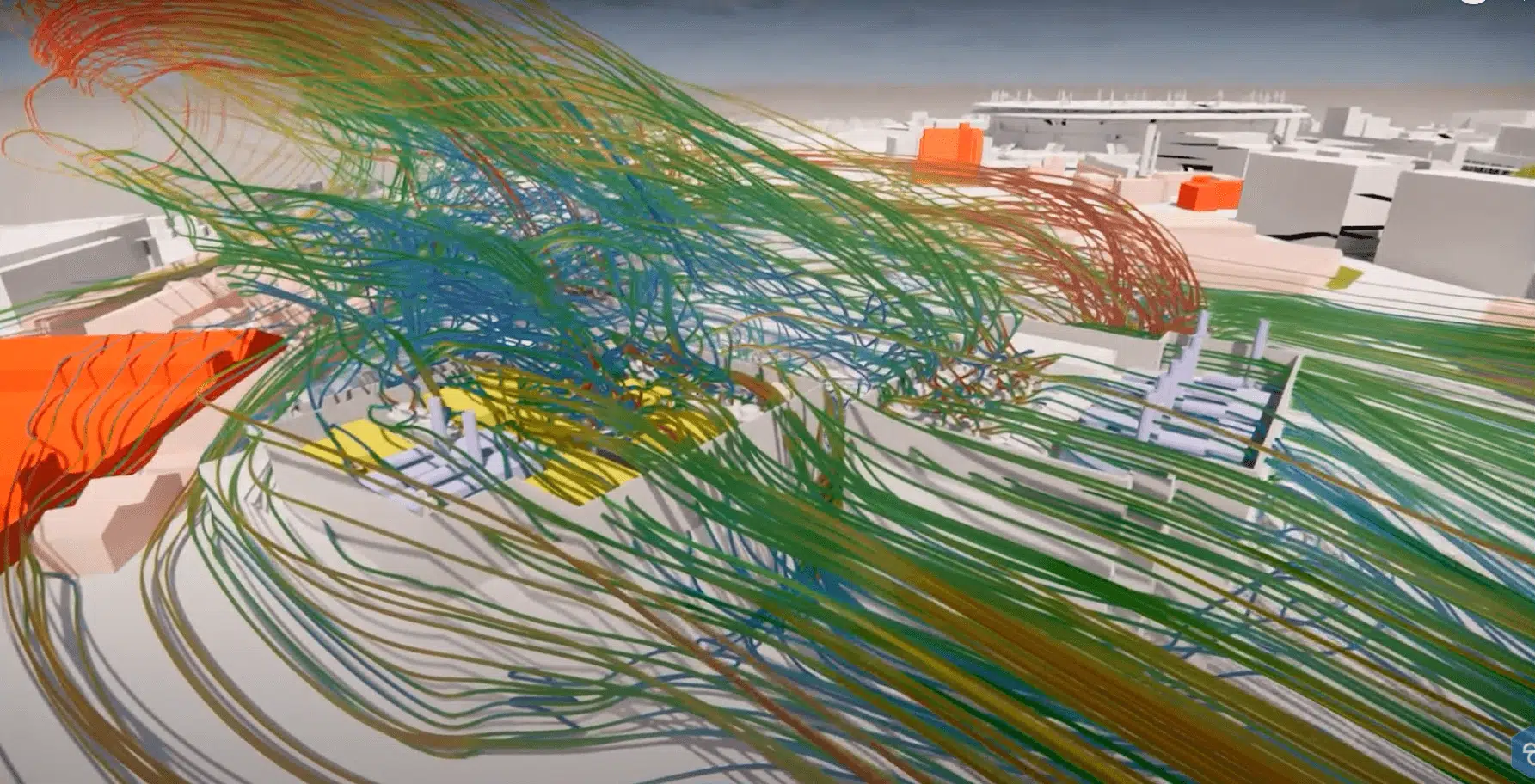
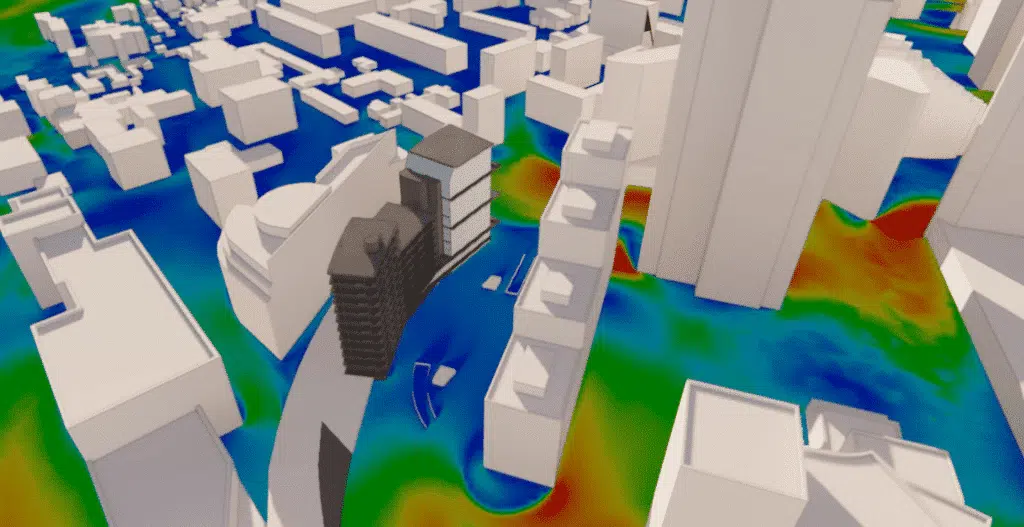
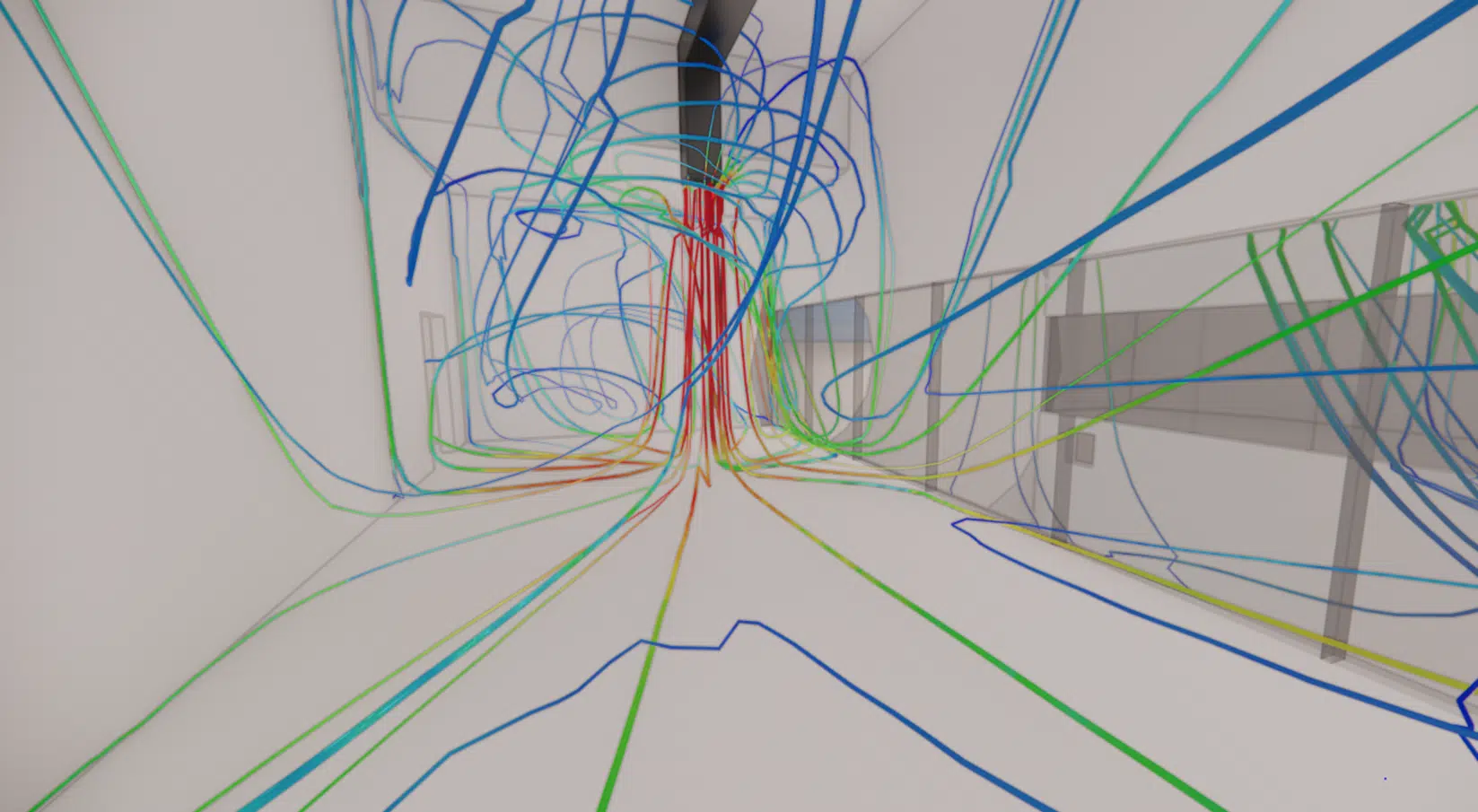
CFD (computational fluid dynamics) offers many advantages for air-renewal studies in underground environments. It makes it possible to accurately predict and analyse the airflow, to visualise the circulation paths, to identify the zones of stagnation and accumulation of pollutants, and to assess speeds and turbulence — to understand the behaviour of the air and design efficient ventilation systems.
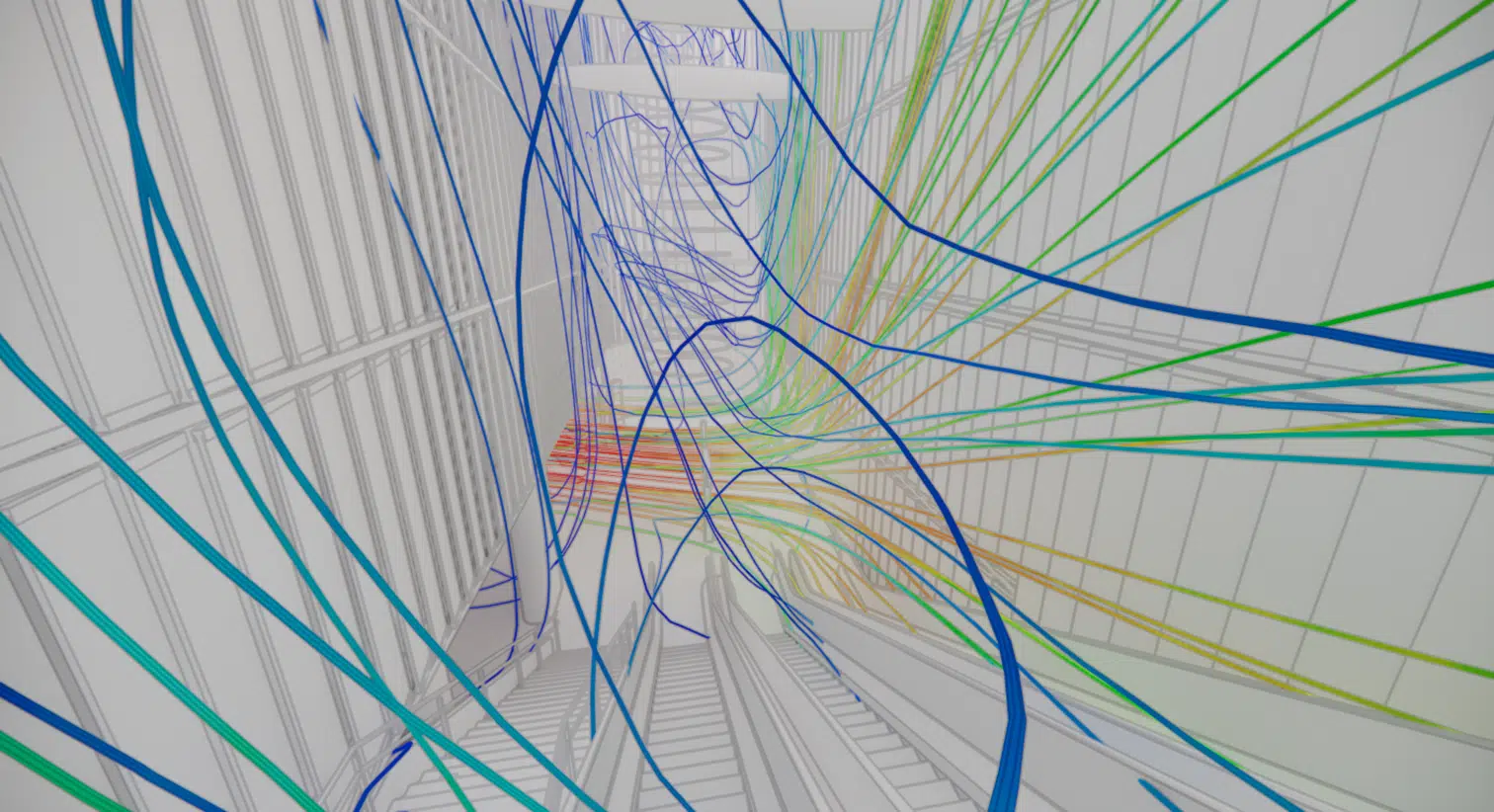
Our use of CFD makes it possible to optimise the ventilation: we determine the optimal locations of air inlets and outlets, the sizing of the ducts and the flow rates required for adequate renewal — guaranteeing an efficient distribution of fresh air and reducing pollutants and odours. Another application is the assessment of contaminants: from the emission data, we simulate and predict their dispersion through the space, to minimise people's exposure and put in place appropriate ventilation systems.
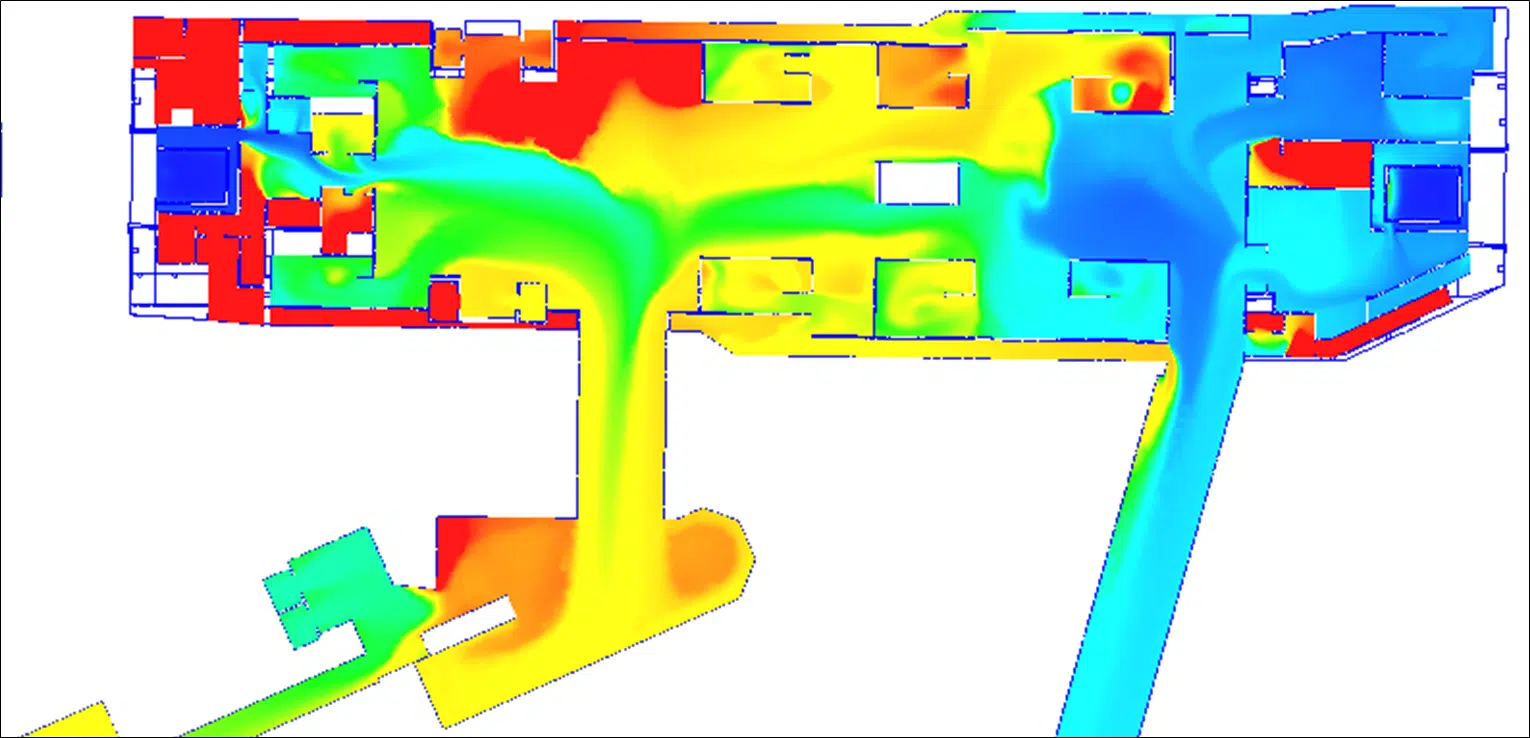
Modelling train passages and on-site audit
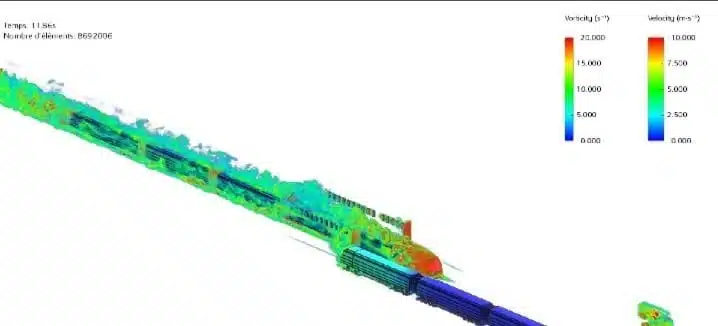
The numerical modelling of the air movements generated by passing trains is a cutting-edge skill. Through transient CFD simulations, EOLIOS accurately represents the interactions between the trains and the surrounding air, to analyse the airflow, the turbulence and the pressure variations induced by the movement (piston effect). By understanding these phenomena, we assess the consequences on the dispersion of fine particles and identify the at-risk zones, in order to optimise the layout of the facilities, the ventilation and the air extraction.
In-depth on-site audit: measuring air quality
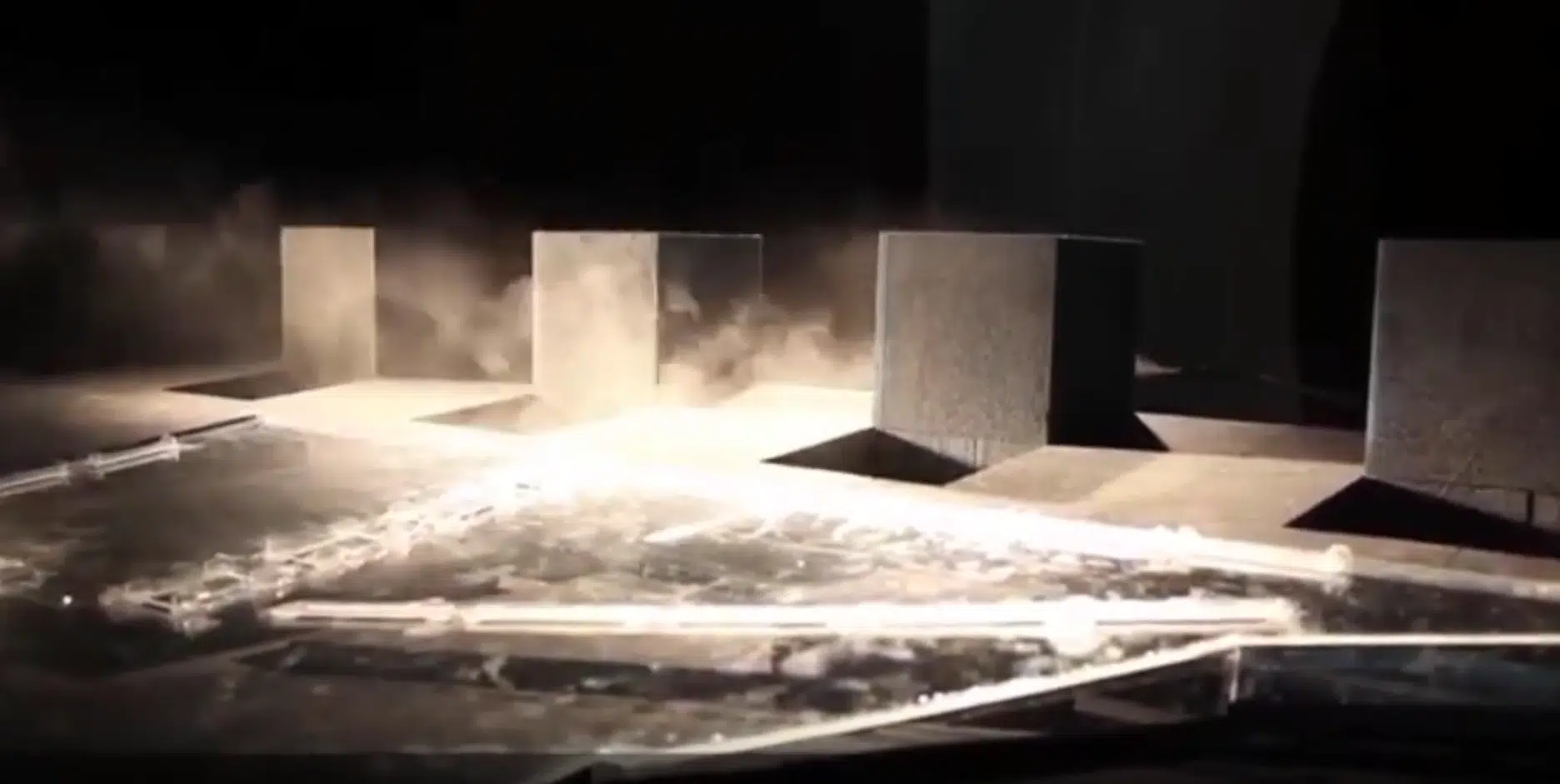
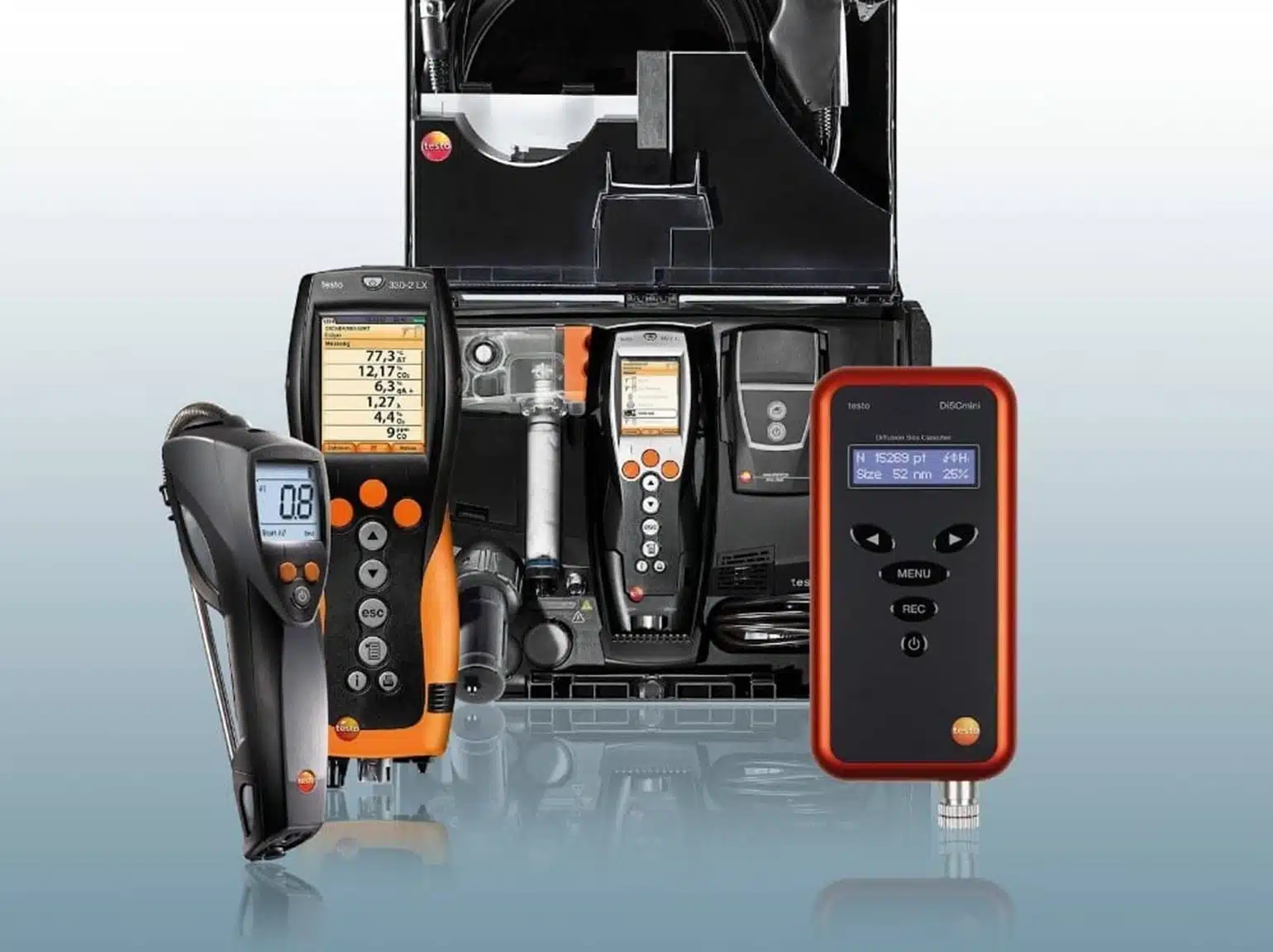
To study underground air quality, EOLIOS stands out for its meticulous approach and its state-of-the-art equipment. During on-site audits, our engineers precisely measure the air speeds and the quantity of fine particles. Smoke machines reveal the airflow and the zones crossed by the particles, to identify the sources of problems and make recommendations on the spot.
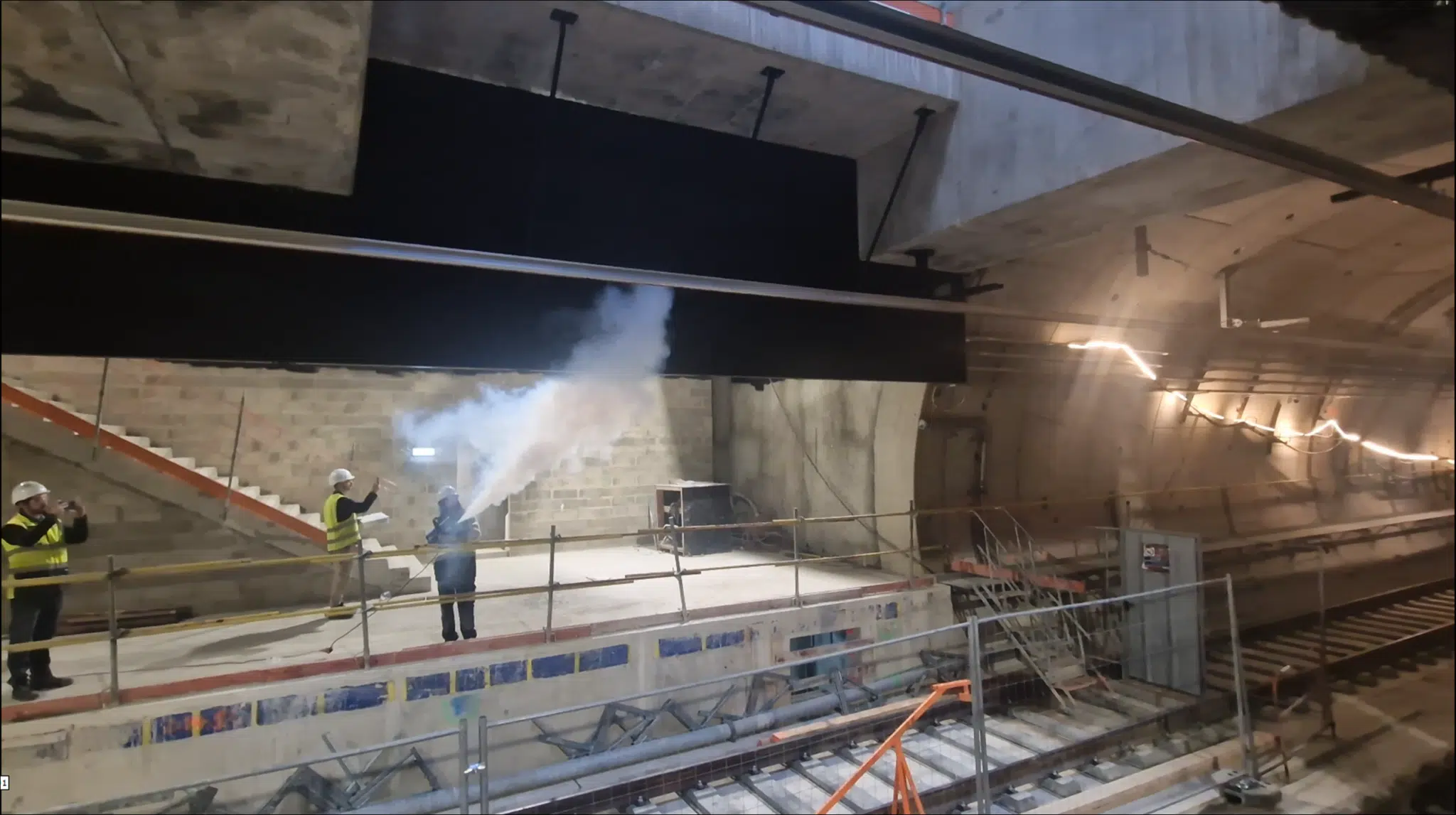
These measurement campaigns also make it possible to improve the accuracy of the simulations for a faithful representation of reality, and to obtain accurate assessments of the design solutions in order to verify the compliance of the air quality against the required values.
What use of internal CFD for underground spaces?
The technical solutions offered
To improve the ventilation and air circulation in stagnation zones, several solutions are possible: revising the design of the air ducts (location, dimensions, adding deflectors), installing additional fans, or destratification systems that bring the accumulated warm air back down for a more uniform temperature.
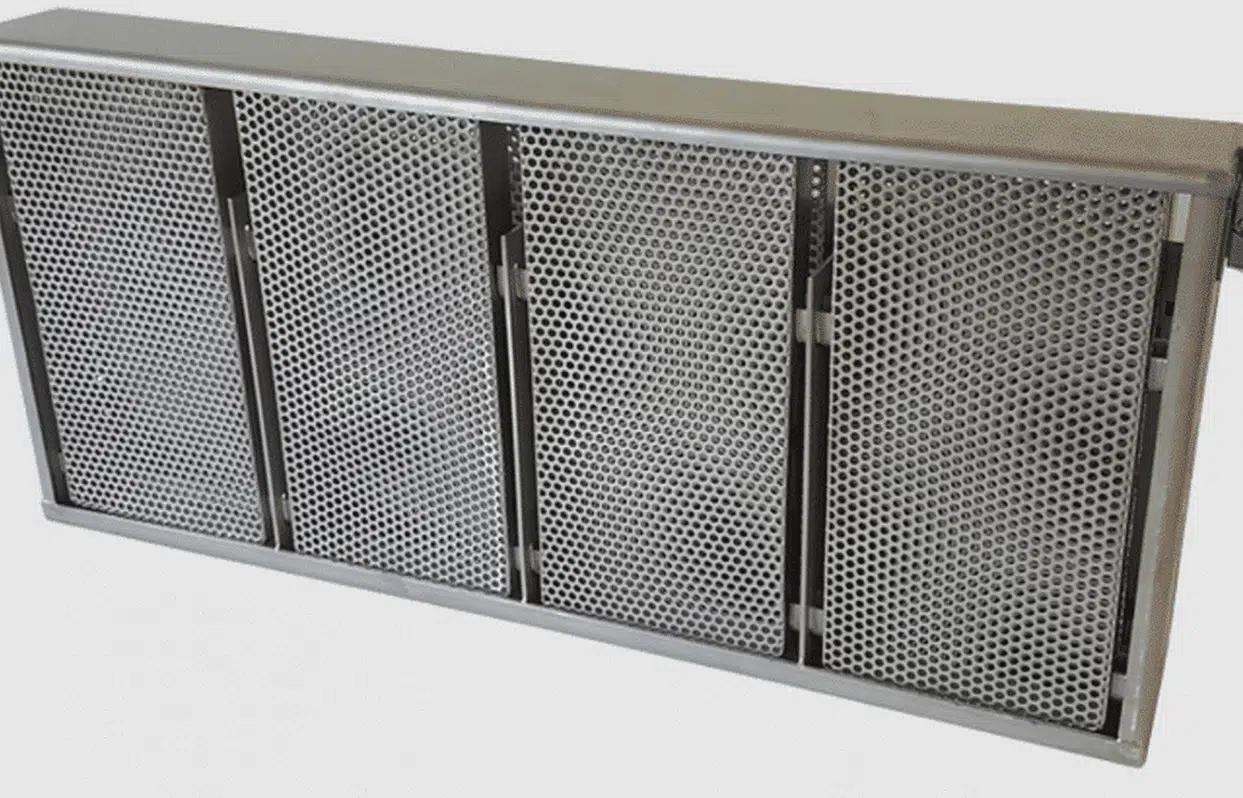
Mechanical ventilation systems can remove stale air and introduce fresh air; an improvement in air-tightness, limiting air leakage, is sometimes necessary. Installing fine-particle sensors and traps also provides an effective response: these devices trap and filter the harmful particles, significantly reducing the pollution breathed by users. As every situation is unique, it is worth calling on fluid mechanics experts for an in-depth analysis and the choice of the best-suited solutions.
The benefits of better air quality
Improving the air quality in underground rail areas brings considerable benefits. First, it promotes the health and wellbeing of travellers: by reducing fine particles, harmful gases and allergens, it lowers respiratory risks (asthma, allergies) and provides a healthier environment. It also creates a more pleasant environment by removing unpleasant odours, and contributes to the prevention of disease and infection by reducing humidity and the growth of mould.
- ✓
Regulatory compliance — meeting thresholds and directives, avoiding potential legal problems;
- ✓
Economic benefits — optimising air circulation minimises the costs of incorrect design and installation of ventilation systems;
- ✓
Positive image of public transport — a healthier environment boosts traveller satisfaction and encourages sustainable transport modes.
In short, improving air quality creates a healthier, more pleasant and more attractive underground environment for all public-transport users.