EOLIOS studied, through smoke audit and CFD simulation, the polluting emissions of a refrigerated-truck factory, in order to improve ventilation, reduce VOCs and protect workers' health.
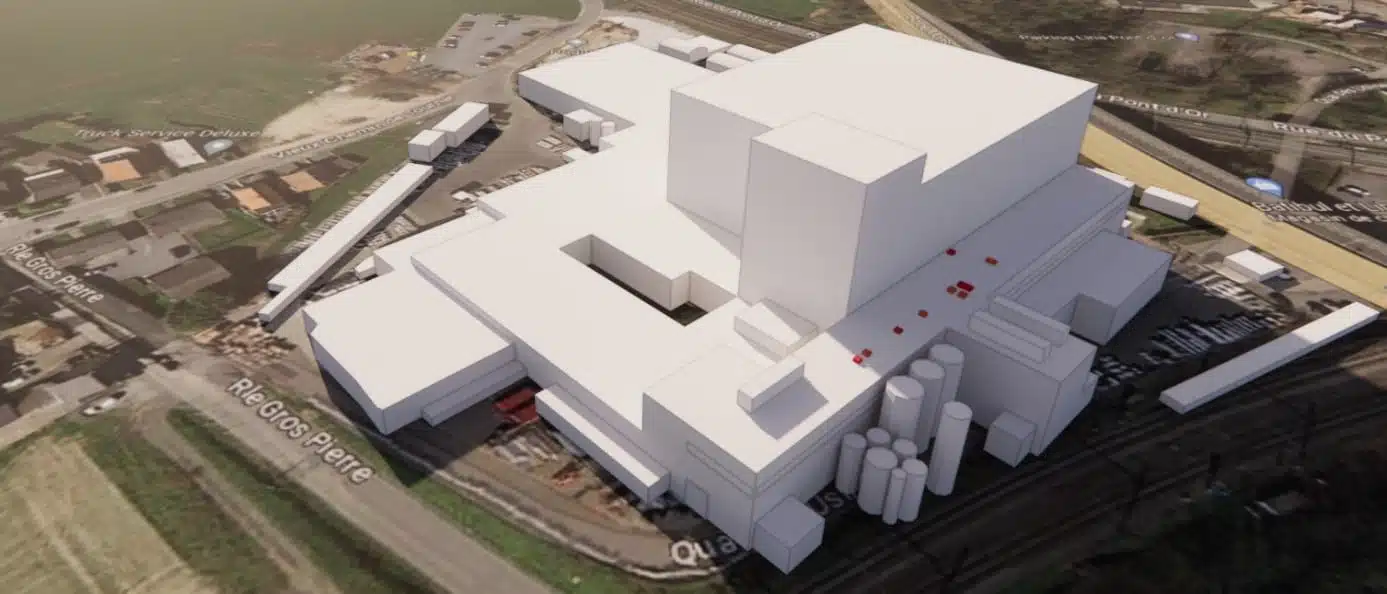
The Jean Chéreau factory is a refrigerated-vehicle production plant located in Ducey-Les-Chéris, Normandy. Opened in 1981, it has a ventilation system improved over time but still based on an old design. The production line releases, at various points, several pollutants (gelcoat, resin) potentially harmful to workers when too concentrated in the air. The main objective: to improve the efficiency of the existing ventilation system while respecting the factory's constraints.
EOLIOS brought its expertise in understanding and modelling airflow movements, in order to analyse the identified issues and propose suitable solutions to correct them.
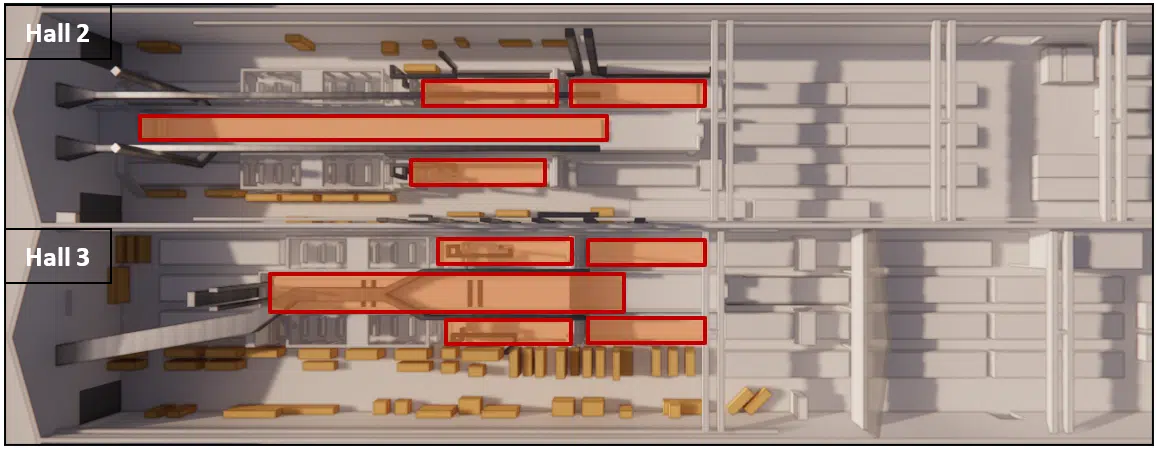
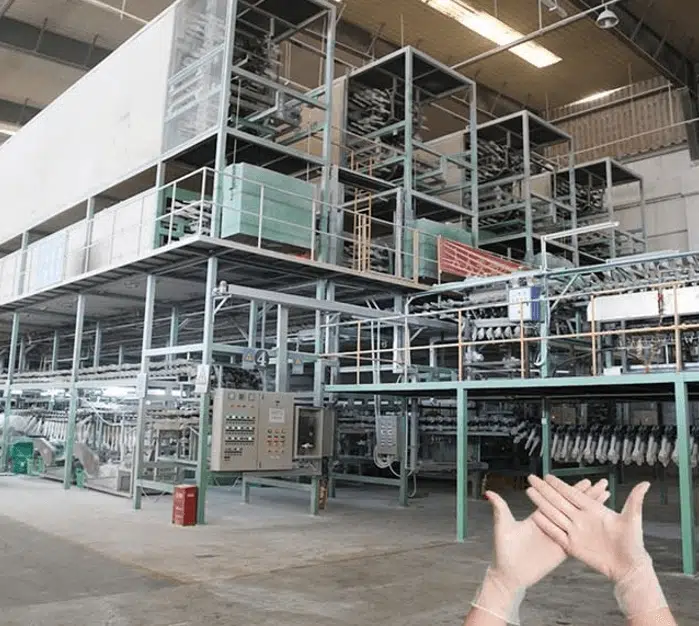
The significant pollutant emissions occur during the spraying of gelcoat and resin, as well as during the manufacture of the skins for the trucks — operations located in halls 2 and 3, selected for the study.
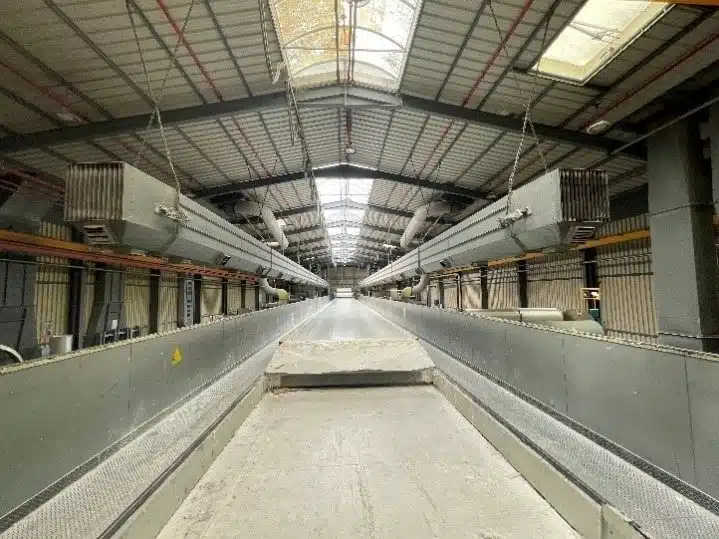
The system includes distinct supply and extract zones for each hall. In hall 2, fresh air is distributed by two nozzle ducts (also active during gelcoat drying); extraction is via vents and extract grilles under the tables and on the mezzanine, supplemented by mobile hoods. Hall 3 has two supply points, one of them adjustable above the spraying tables, and extraction ducts under the mezzanine (with some efficiency limits), wall grilles and mobile hoods.
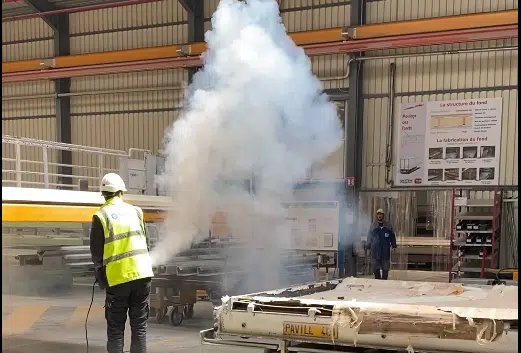
During the on-site airflow audit, the engineers carried out detailed measurements, a 3D model of the factory and smoke tests for a complete assessment, also recording the outdoor weather conditions to guarantee accurate simulations.
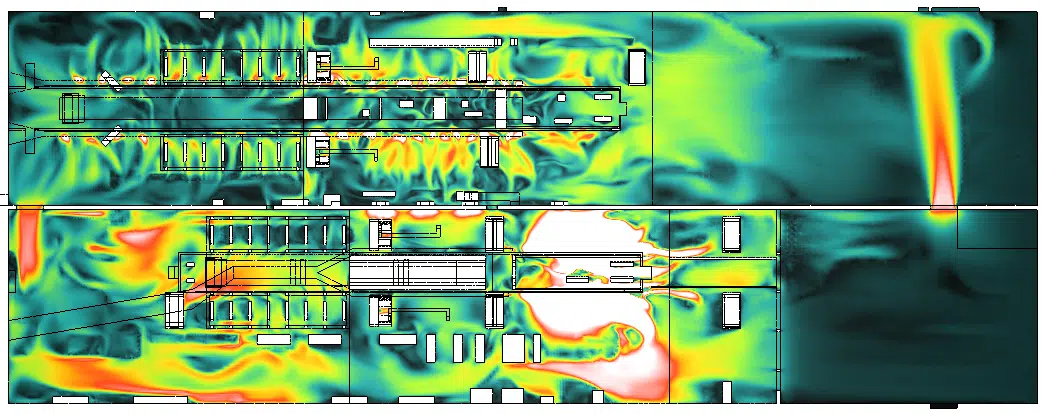
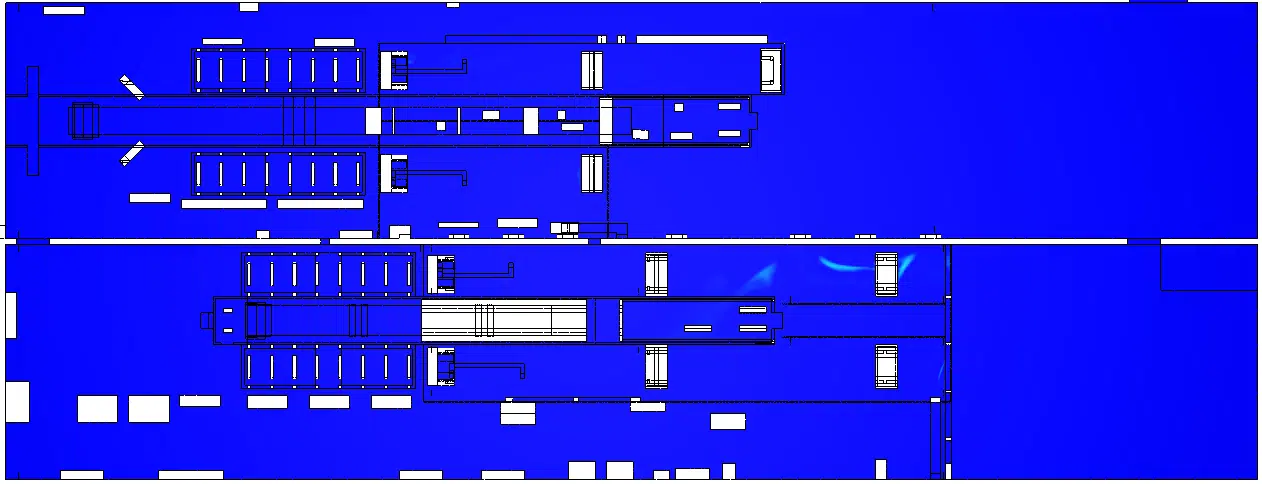
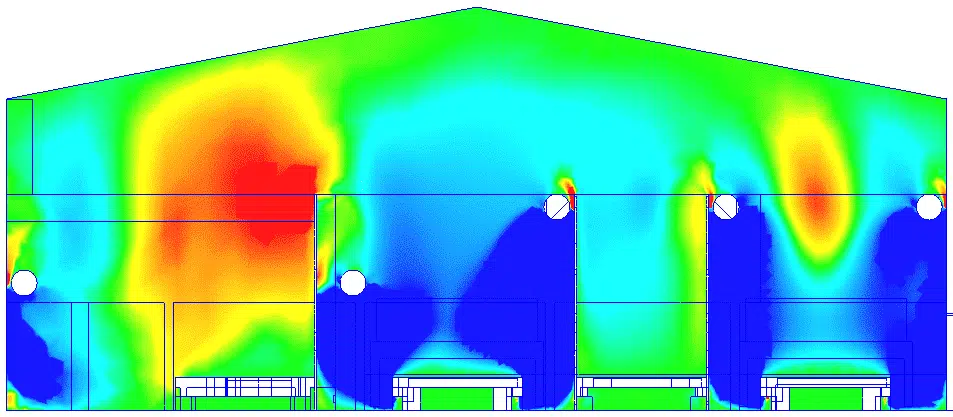
The results show that the overall air movement is mainly driven by the supply. In hall 2, the air converges towards the spraying tables, creating disturbances and a rise of air under the roof that hinder extraction. In hall 3, a looping circulation was identified, the flow splitting into two parts; extraction is good near the tables but limited by obstructions. The closed-doors simulation — run with the theoretical flow rates and the on-site measurements — shows a strong agreement with the readings: the air flows from the back of the halls (East) towards the West, with high VOC concentrations to the West of hall 2 and the East of hall 3, due to inadequate ventilation.
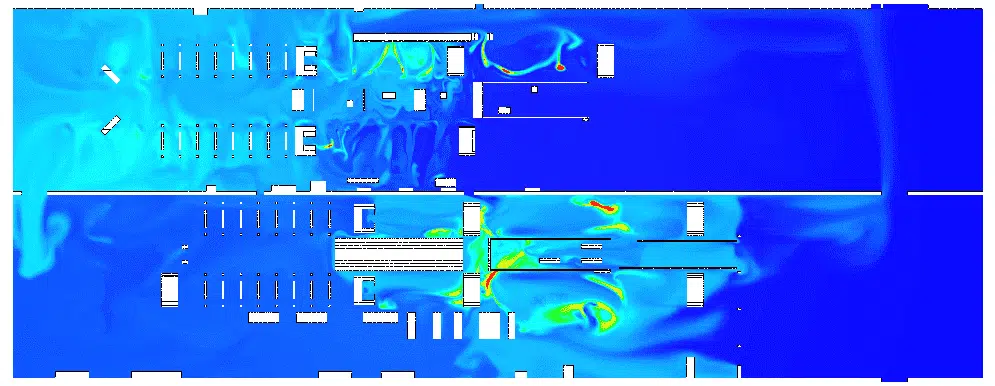
The VOCs are organic molecules that evaporate easily at room temperature. Present in paints, glues, cleaning products and materials, they are a source of indoor pollution with potentially harmful consequences for health and the environment. EOLIOS uses CFD to model their dispersion, analyse the air movements and predict the concentrations in each zone, ensuring optimised ventilation and extraction.
Prolonged exposure can cause irritation, headaches, allergic reactions, even damage to the liver, kidneys and nervous system; some VOCs are classified as carcinogenic. The key to minimising exposure lies in effective extraction and good ventilation, keeping concentrations below the dangerous thresholds.
EOLIOS places compliance with standards at the heart of its approach. For this study, particular attention was paid to the ventilation good-practice guides — ED 839 and ED 906 — as well as the French Labour Code, guaranteeing solutions that compromise neither people's safety nor that of the equipment. This rigour minimises the risks and optimises the working environment to the best standards.
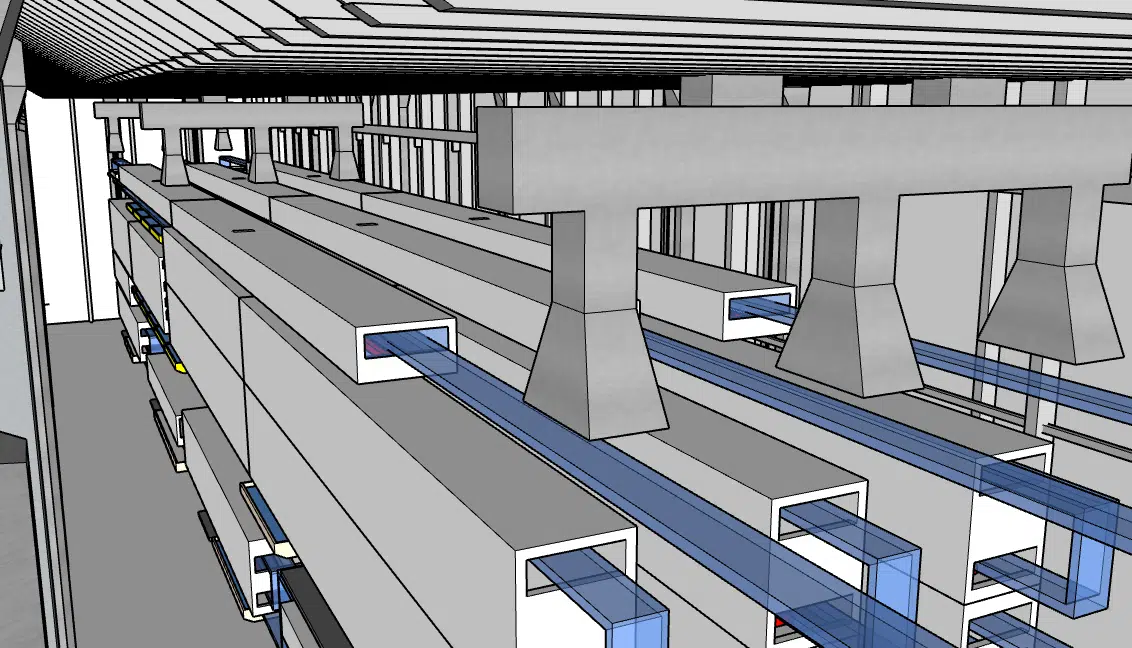
Two designs were proposed. The first introduces partitions around the emission zones, uniform low-velocity supply via textile ducts and adjustments to the extract points, to keep the VOCs below 25 % of the OEL (with PPE in the confined zones). The OEL (Occupational Exposure Limit) sets the maximum concentration of a substance to which a worker may be exposed. The flow rates were adjusted to control the circulation and reduce the concentration at the operators' face level.
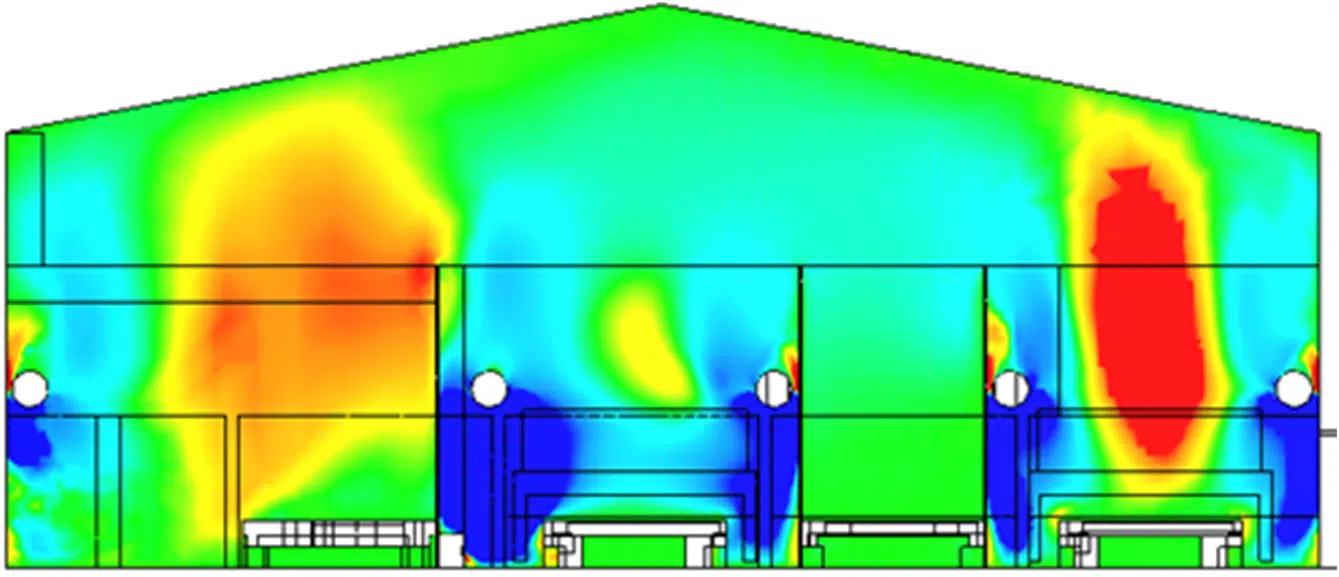
The second configuration introduces extraction ducts under the resin and gelcoat tables, removing the cumbersome side extractions and making extraction more effective. The supply ducts are repositioned for a downward vertical sweep, eliminating undesirable upward movements, homogenising the velocities and reducing VOC dispersion at breathing height — avoiding accumulations between tables and partitions.
Listening, compromise and dialogue between engineers and workers were at the heart of the approach. Regular visits at each stage made it possible to integrate every perspective, and to bring out solutions that are not only aerodynamically optimal but also practical for the workers — a participatory approach leading to a safe, effective solution aligned with the stakeholders' needs.
Know-how: smoke audit, VOCs & industrial air qualityThe study aims to improve the air quality in the Jean Chéreau factory by optimising its ventilation system. Measurements and simulations identified the zones with high pollutant concentration and led to two configurations to better distribute the air and reduce VOCs. The collaborative approach integrated the workers' needs while respecting safety standards — for effective and compliant pollutant extraction.
The simplest thing is to talk it through together. Our engineers reply with an initial technical read.