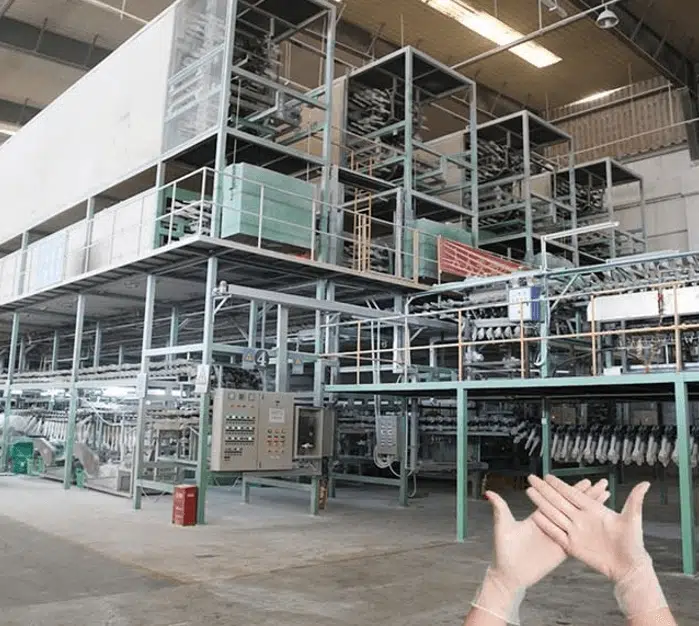
EOLIOS produced an assessment of the plant's thermal conditions, optimised the HVAC systems and designed dedicated capture systems — based on a complete digital twin of the production line.
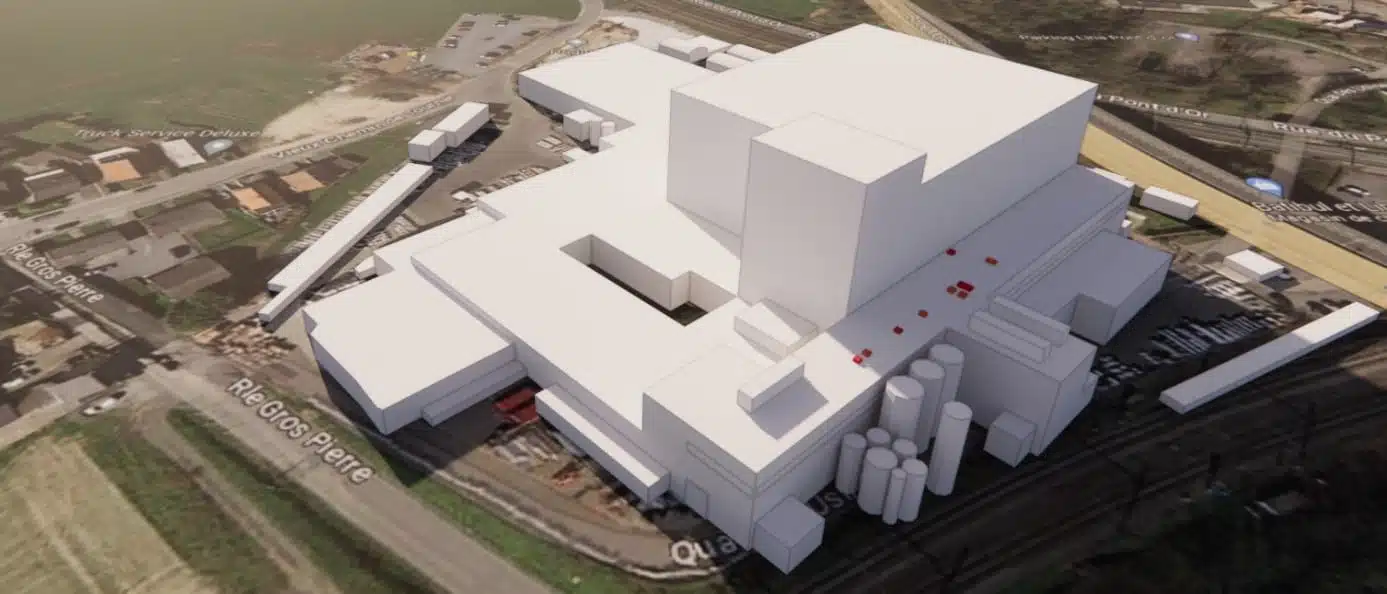
EOLIOS designed the HVAC systems of a glove production plant. The study made it possible to produce an assessment of the site's thermal conditions, to optimise the climate-control installations and to develop dedicated capture systems, directly integrated into the production lines.
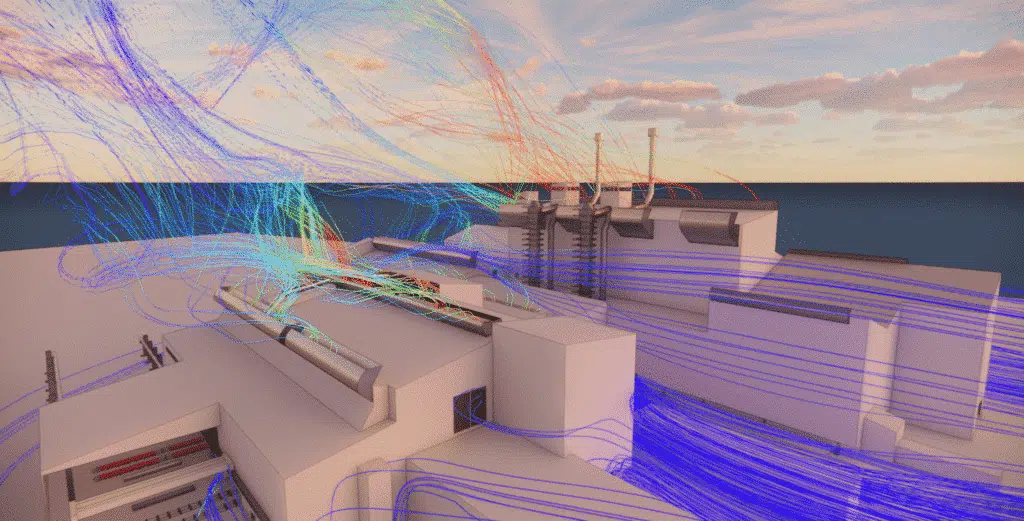
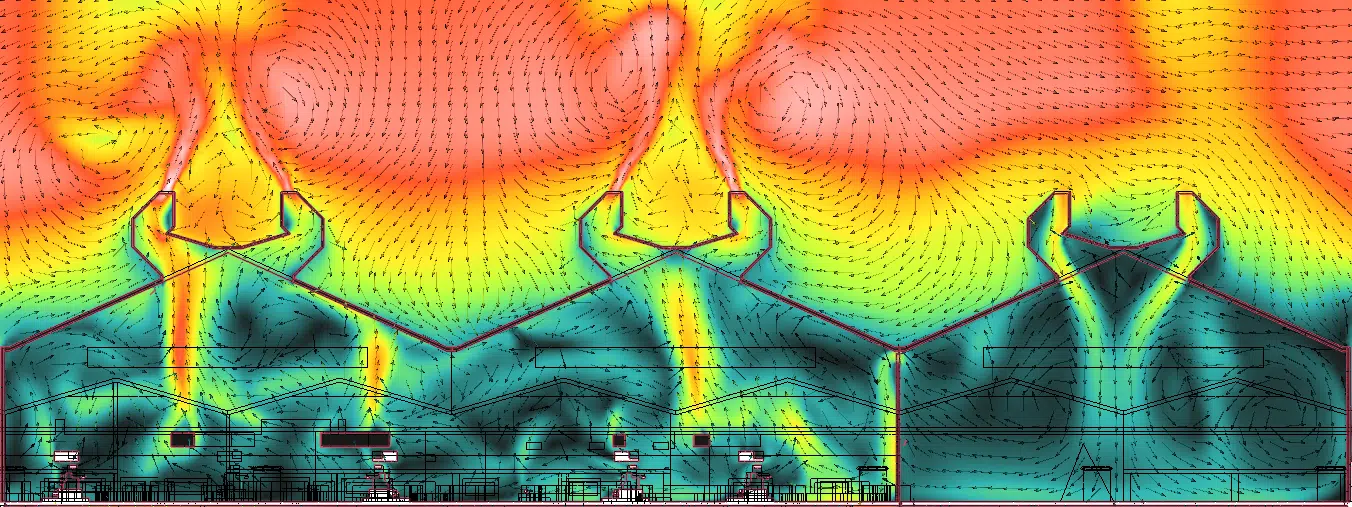
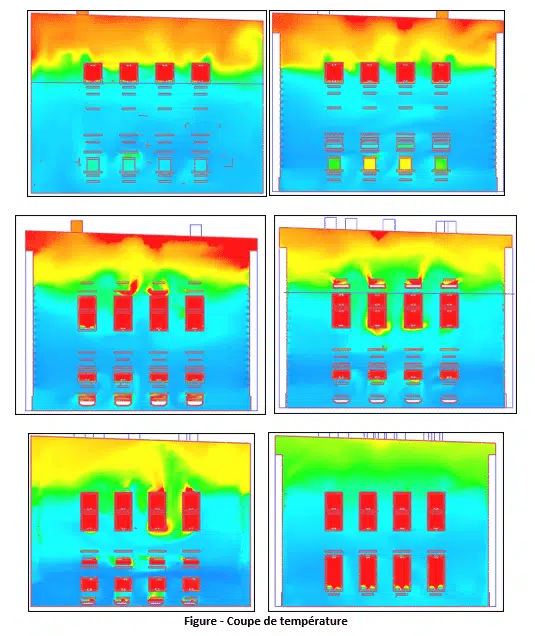
The challenge of such a project is to master the specific thermo-aeraulic phenomena induced by the various high-temperature manufacturing stages. The CFD studies made it possible to visualise these phenomena across the seasons in order to optimise the climate-control systems, based on a complete digital twin of the production line.
A latex-glove production plant comprises several stages. The latex is first mixed with additives to create the base mixture. This mixture is then heated and turned into a stretchable plastic material, placed in a mould where a hydraulic press forms the glove.
Once the glove is formed, it is slightly cooled, then demoulded and washed. After washing, it can be given a powder coating to soften it and make it easier to put on. Once dried, the glove is ready to be packaged and shipped.
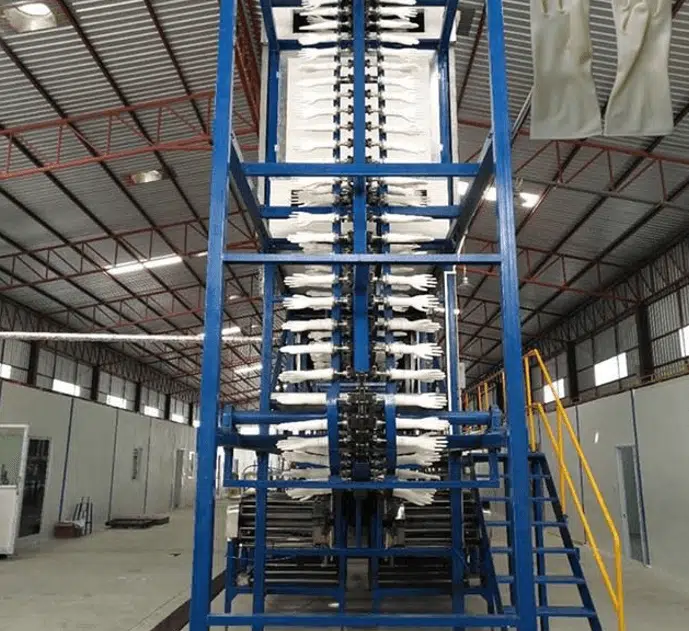
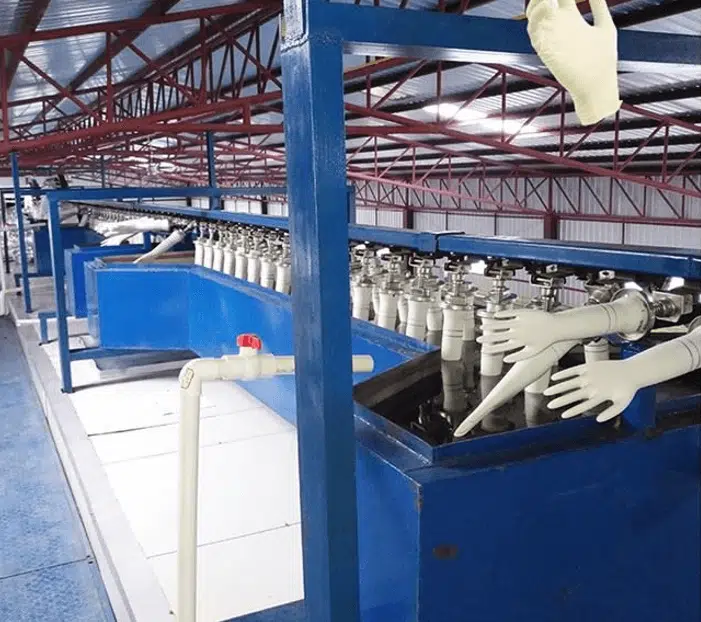
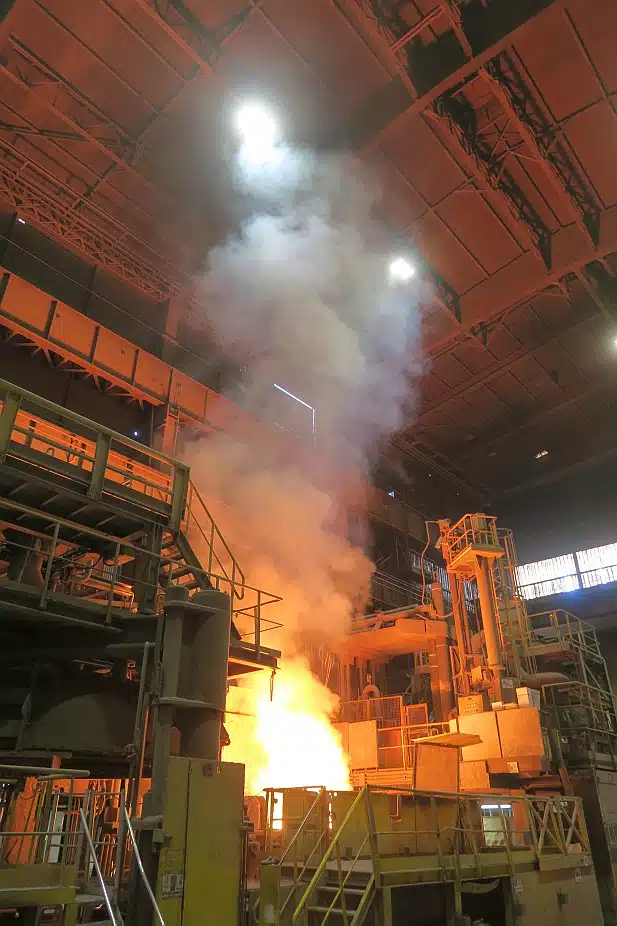
Latex-glove production has a direct impact on the plant temperature, due to the heating and cooling processes involved. During heating, the latex mixture is brought to high temperatures to make it malleable; the moulds and the hydraulic press are also heated to better form the glove. During cooling, the glove is brought back to lower temperatures in order to harden it and make it more resistant. The heat released by these phases can significantly raise the temperature in the plant.
As a result, the zones where the latex mixture is heated and where the moulds and hydraulic presses are heated are hotter than the others. Conversely, the glove washing and drying zones are generally cooler, as they are not exposed to the same heating and cooling processes.
CFD (Computational Fluid Dynamics) simulation makes it possible to solve the heterogeneous-temperature problems in a latex-glove production plant. It simulates the flows and fluid movements inside the plant and allows the engineers to better understand how the various factors affect the temperature.
CFD simulation thus helped the engineers to determine the best locations for the equipment, to optimise the airflows and to identify the heat sources liable to affect the temperature.
The entire production line was modelled in CFD. Furnaces, acid tanks, equipment systems and power electrical cabinets are precisely integrated into the study. The fine CFD resolution makes it possible to obtain a complex temperature distribution, very close to real conditions. The induction phenomena of the supply nozzles, as well as the effects of the furnace thermal plumes, were captured with great precision.
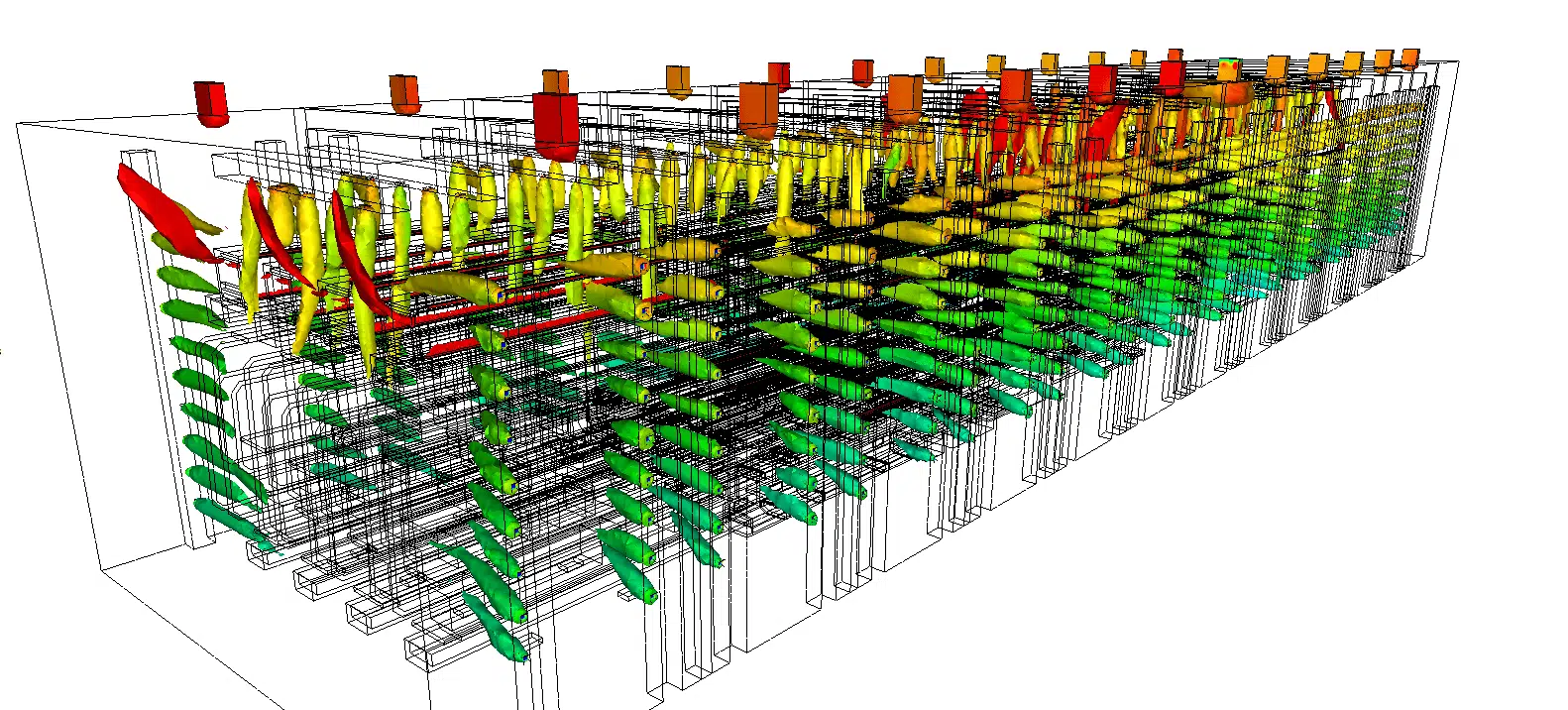
The first studies made it possible to understand the main thermal phenomena specific to the plant and its production system. This understanding and its simplified presentation to the design teams made it possible to involve the whole design chain (HVAC engineer and Systems engineer) in the search for a solution. Using the 3D model from the study phase made it possible to design bespoke heat-capture systems, directly integrated into the production lines.
The 3D model dedicated to air diffusion was the subject of an iterative process making it possible to progressively optimise the diffusion, supplemented through the project's latest developments as part of the HVAC design. The overall understanding of the thermal phenomena also made it possible to refine the sizing of the air exchangers for the client's creation of heat-recovery systems.
In parallel, the study looked at the hydrochloric-acid dipping tanks used to clean the products. This part of the chain is characterised by the dispersion of pollutants into the air that must be captured effectively. The assessment of the particle concentration was carried out not only near the emission zone — to verify that the capture systems work properly — but also throughout the plant, taking into account the line's particularity and the impact of each system.

The study of pollutant dispersion consists in studying the various sources of pollution generated by the process: use of chemicals, energy-intensive equipment, liquid and gaseous discharges, particle and noise emissions. A detailed analysis of the sources and consequences makes it possible to determine the reduction and control measures, to identify the possible sources of contamination and to avoid them. The analysis ultimately highlighted opportunities to improve environmental performance as well as operator health and safety.
The digital twin of the production line made it possible to obtain precise information and an effective analysis of the thermal flows in the environment. The results were used to optimise the positioning of the equipment and the sizing of the HVAC systems, in order to reach optimal operation within the limits imposed by the safety standards.
Expertise: smoke audit, air quality and dust management in industry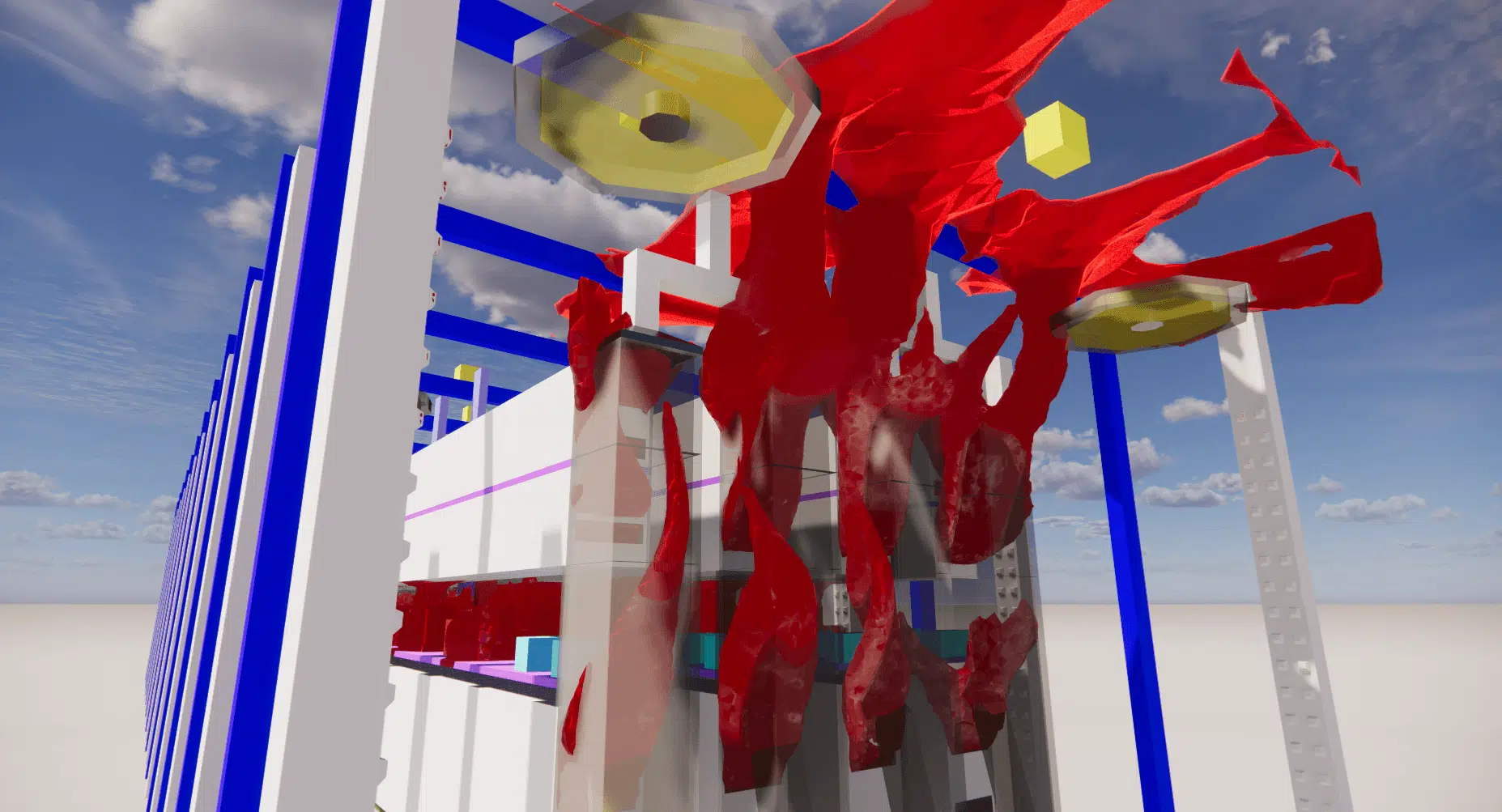
A digital twin is a powerful tool for improving the performance of industrial processes: it makes it possible to simulate, test and analyse systems and their components in a virtual environment in order to achieve concrete optimisations. In the end, our engineers brought a complete and in-depth understanding of the thermo-aeraulic phenomena into the design. The optimisation of the systems and the development of measurement devices delivered air-temperature gains of around 15 °C at constant flow rate (i.e. with no additional installation cost). Bespoke pollutant-capture and energy-recovery systems were designed and sized.
The main consideration of thermo-aeraulic studies is to ensure that the airflow and the temperature are suited to the optimal operation of the plant. An in-depth analysis of the production environment was carried out to determine the factors influencing air quality and temperature across the seasons. Measures were taken to control the pollutant level and reduce its impact. The results showed that air quality and temperature were sufficient for optimal production, and that the pollutant-control measures were effective — with recommendations made to maintain this level of quality while reducing the cost of the climate-control systems.
The easiest way is to talk it through together. Our engineers will reply with an initial technical read.