
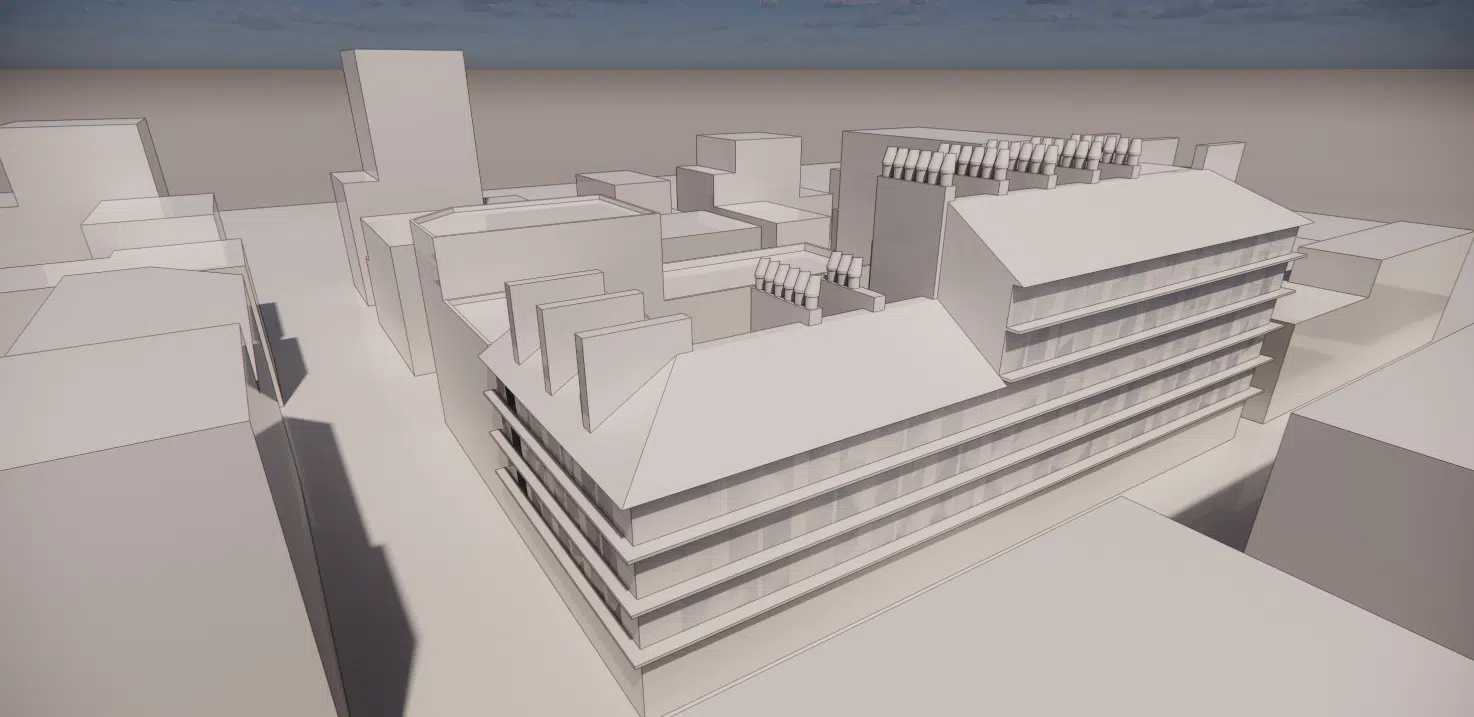
CFD study of natural ventilation by wind chimneys of office premises: comparing the chimney types and determining the one offering the best airflow.
EOLIOS was contacted by an architecture practice to study the natural ventilation of a future building: office premises ventilated by wind chimneys. In this type of ventilation, it is not the thermal-draught effect that prevails, but the action of the wind.
The project includes a housing section and a business-premises section; the study focuses specifically on the business premises, which will benefit from the natural-ventilation system.
EOLIOS studied several chimney types and determined the one offering the best airflow, with a target of 5 ACH.
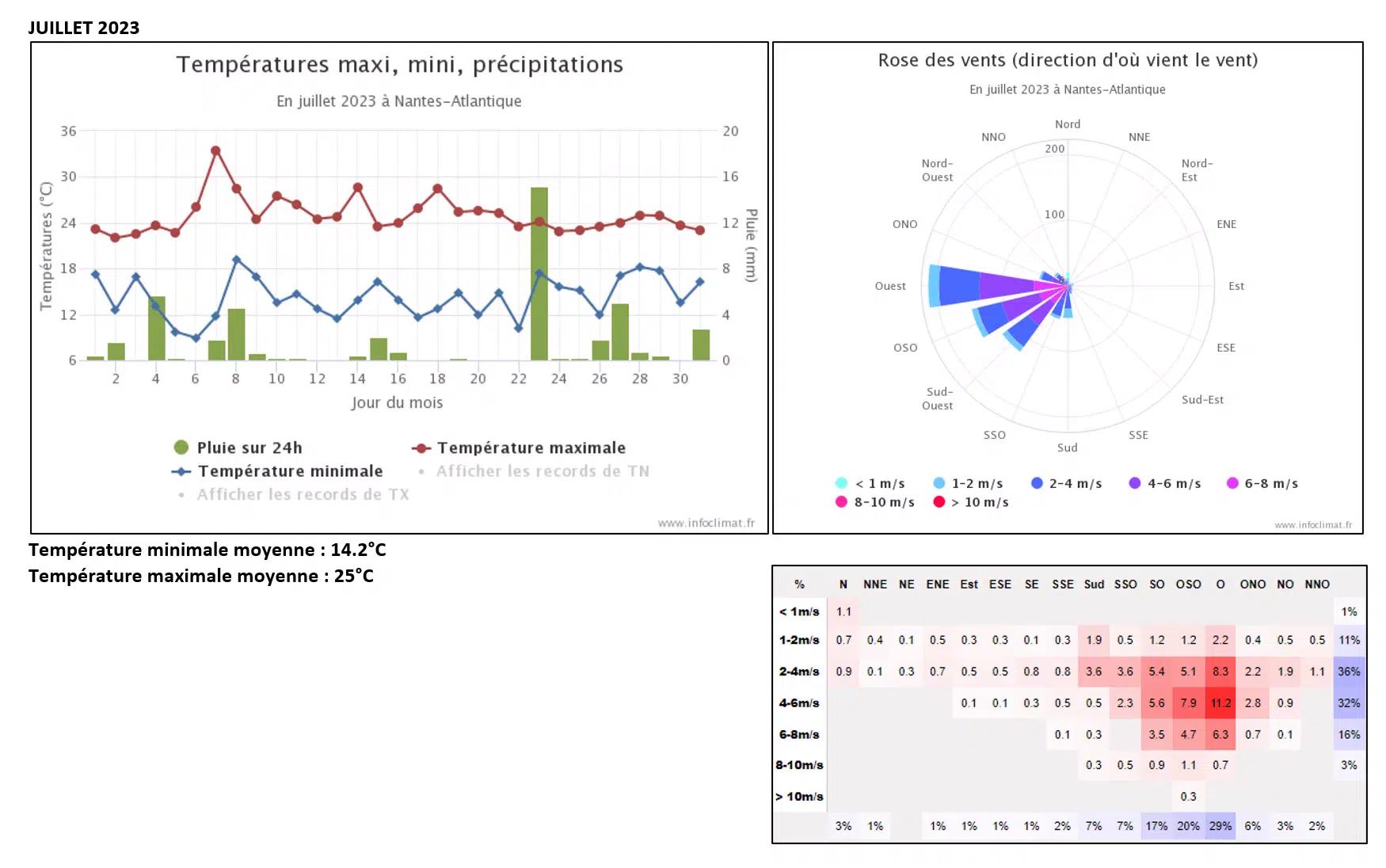
A climatic analysis of the site precedes the simulations: the wind blows mainly from the South-West, with a second dominant wind from the North-East. After identifying the dominant winds, their intensity is measured (mean, minimum and maximum speed) to study the extreme cases. The results presented correspond to a South-West wind at 6 m/s, the most frequent.
It is crucial to take into account the neighbouring buildings, which act as airflow obstacles: they create zones of varied pressure and turbulence influencing the direction and speed of the wind. Their precise modelling makes it possible to determine wind-shadow zones (reduced flow) and wind channels (accelerated flow), and to identify the best positions for ventilation openings.
The sizing of the ducts is essential to effective ventilation. CFD makes it possible to verify this sizing and to test several systems and configurations — far simpler at the simulation stage than once the ducts are installed.
Four chimneys 4 m high were compared (equivalent capture surfaces and duct sizes, in order to compare only the draught efficiency): a rectangular duct with a flat cap, two cylindrical ducts (a fixed and a rotating hemispherical cap), and a façade chimney with 2 orientations.
The rotating-cap chimney creates the most draught: an outlet flow rate about twice as high as the fixed caps, regardless of the wind direction — the cap always orienting itself in the optimal conditions. The façade chimney, highly dependent on the wind orientation, can operate as an air inlet or outlet.
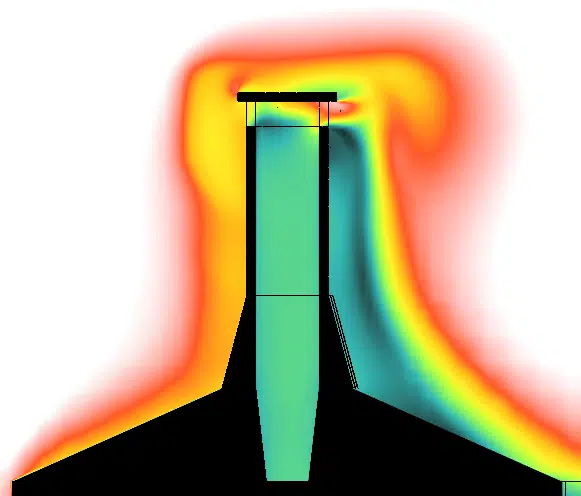
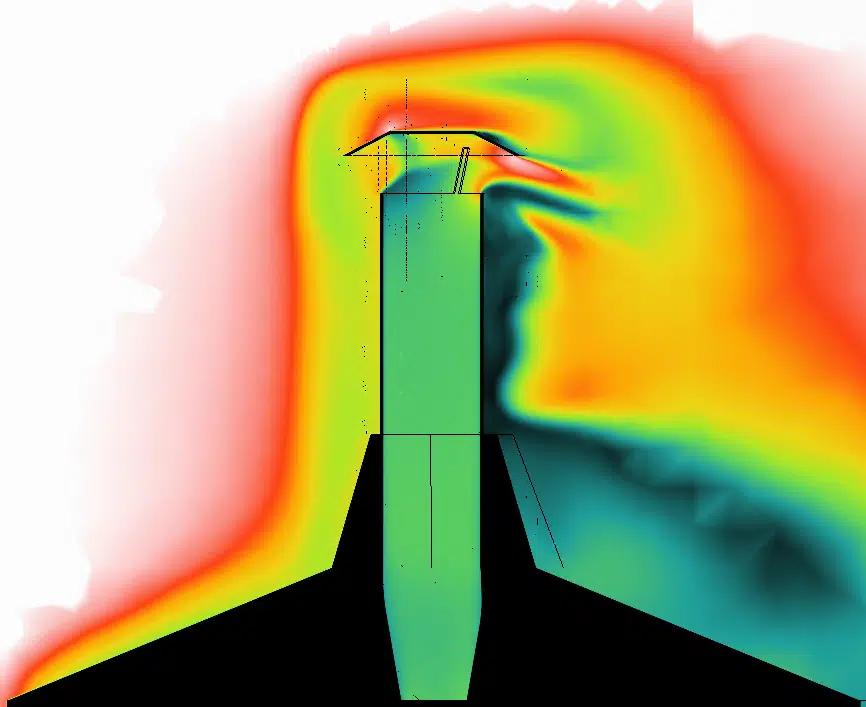
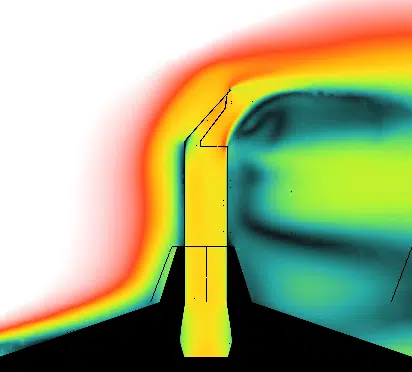
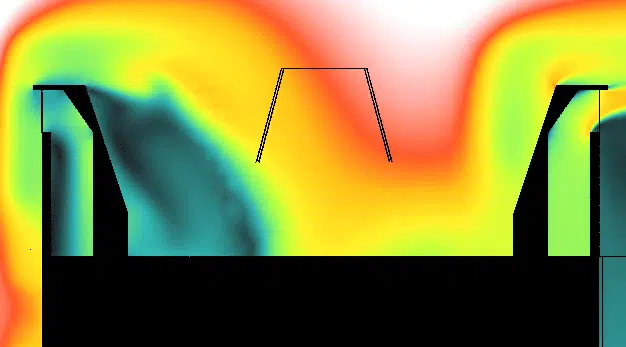
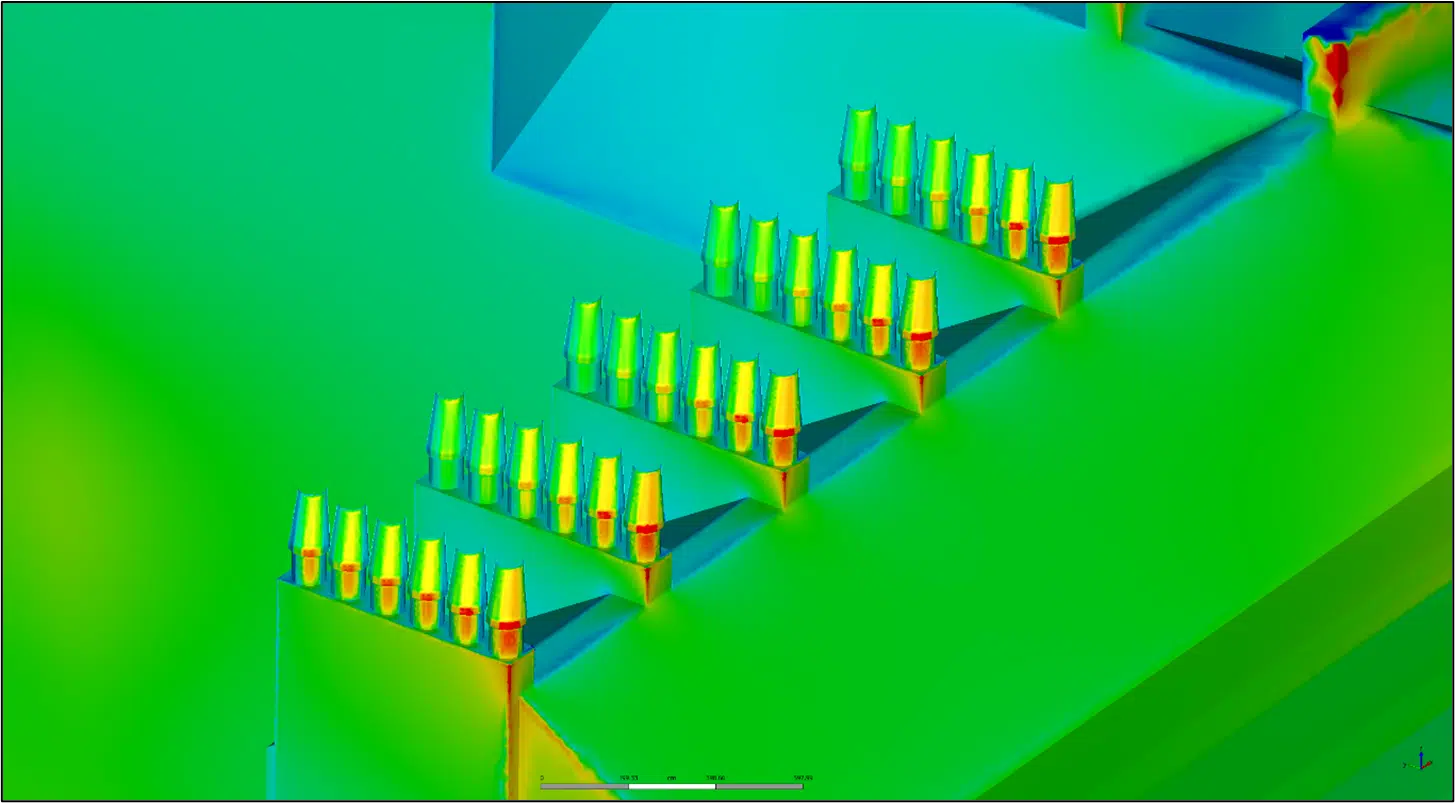
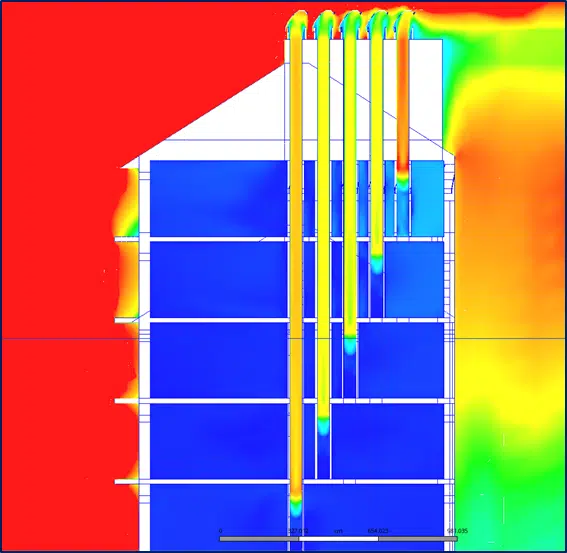
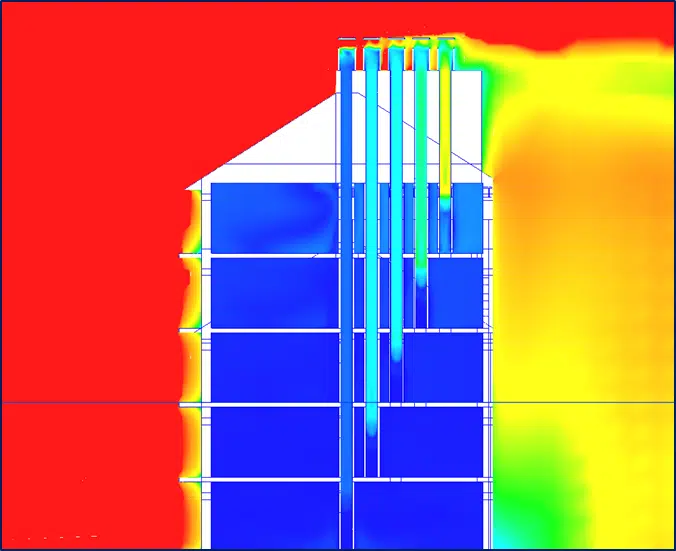
For a South-West wind at 6 m/s, the red surfaces indicate the most impacted chimneys (the others, downstream, are less so). The velocities in the moving ducts are higher than in the fixed ducts. For the fixed chimneys, the longest duct (1st floor) only delivers 0.7 ACH — well below the expected 5 ACH —, only the shortest (5th floor) approaches it.
Overall, ventilation by fixed chimneys works twice as poorly as by moving chimney, and the 1st floor is barely ventilated in the fixed case. With the moving cap, the correctly sized ducts reach the target of 5 ACH.
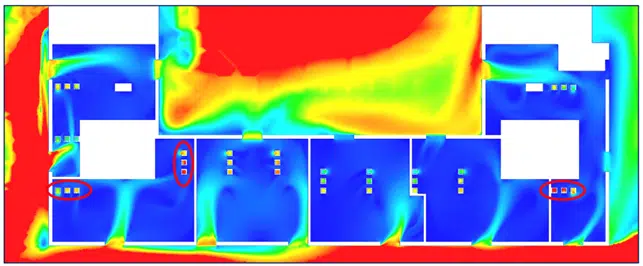
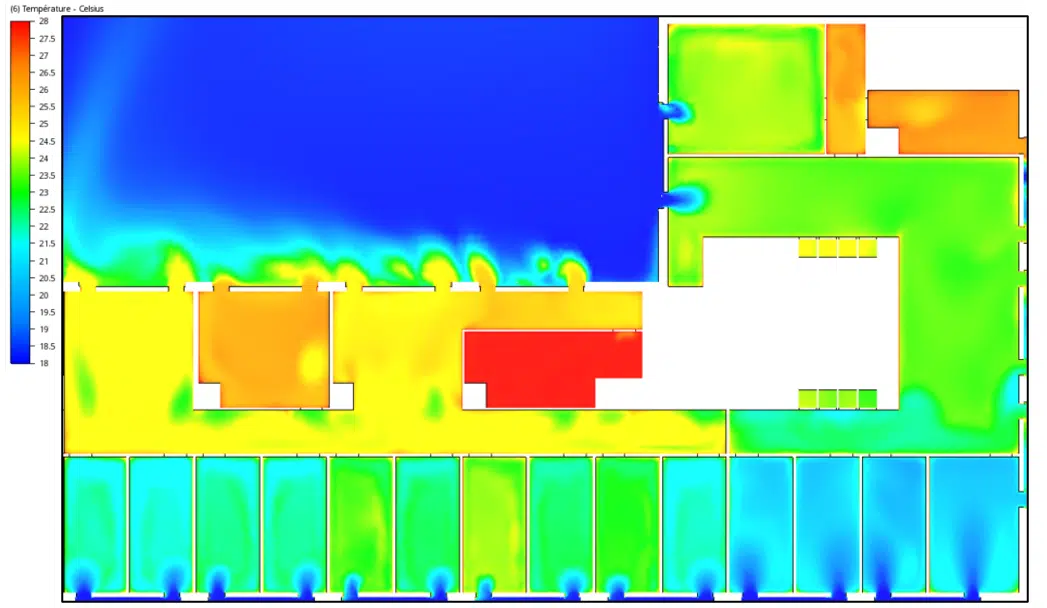
The night purge is a passive cooling that exploits the drop in outdoor temperatures at night to remove the heat accumulated during the day. For a realistic scenario, a difference of 10 °C was simulated (indoor 28 °C, outdoor 18 °C), creating a thermal gradient conducive to air circulation via the chimneys and openings.
The results identify the correctly ventilated zones (temperatures close to the outside, effective cooling) and the weakly mixed zones (residual temperatures ~28 °C). The night purge proves effective over most of the building; EOLIOS established best practices (management of openings, adjustment of flow rates) to maximise the passive cooling.
Know-how: indoor comfort modelling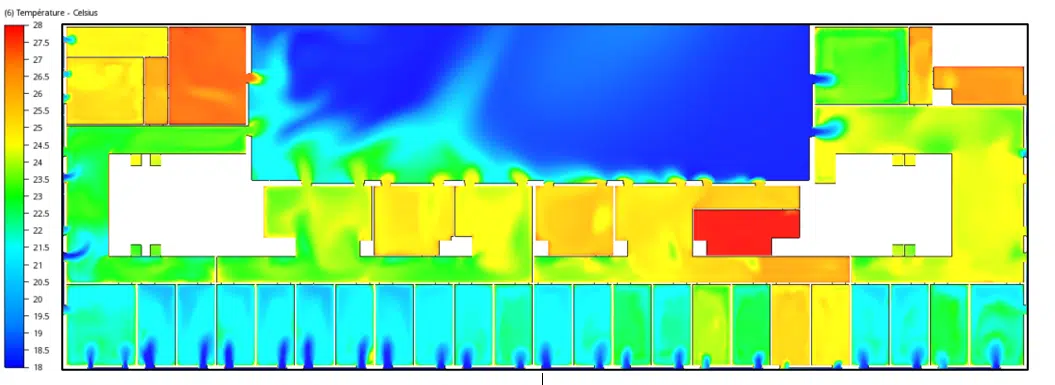
CFD study of natural ventilation by wind chimneys of an office building in Rennes: climatic analysis (SW wind 6 m/s), 3D model with airflow obstacles, comparison of 4 chimney types (the rotating cap offering ~2× the flow rate), sizing to 5 ACH and night-purge simulation for passive cooling.
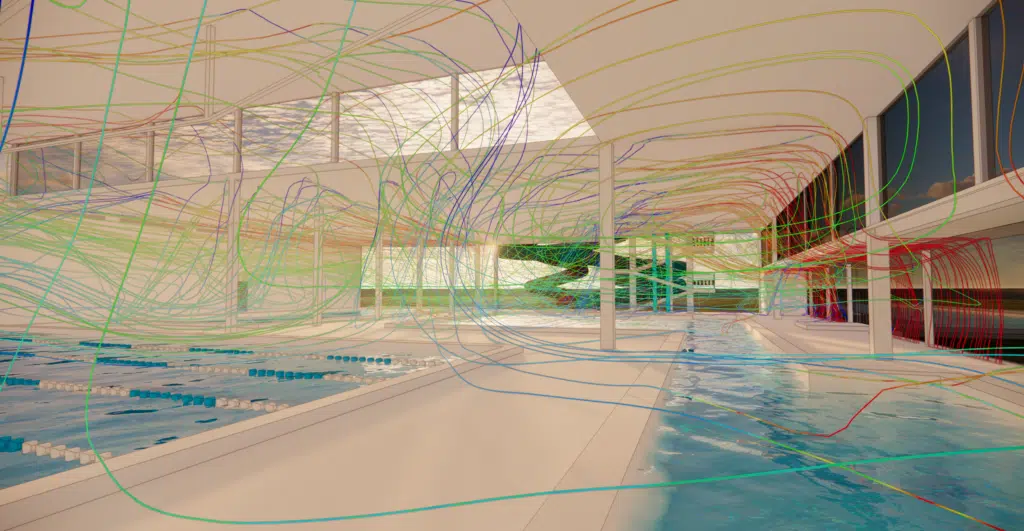 PoolAquatic Center — Hauts-de-Seine
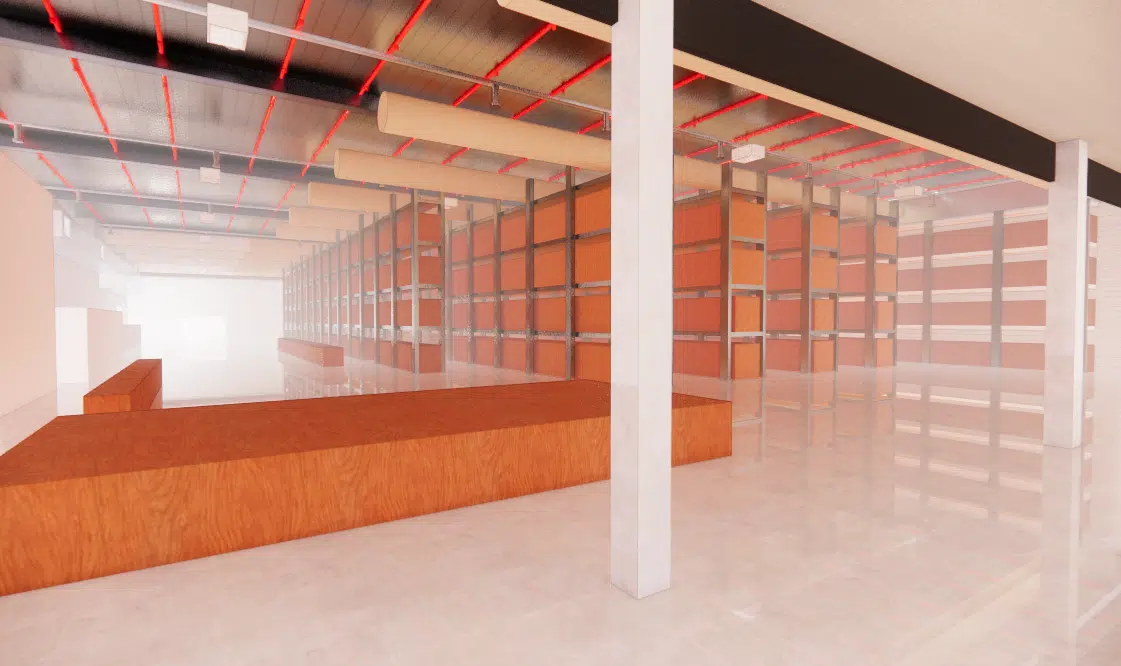 WarehouseHVAC engineering — Medical warehouse
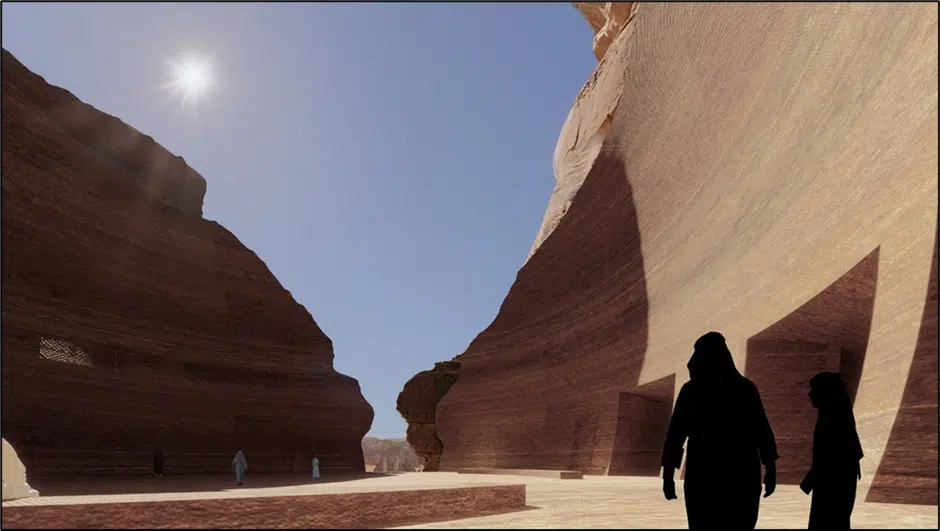 HotelSharaan by Jean Nouvel
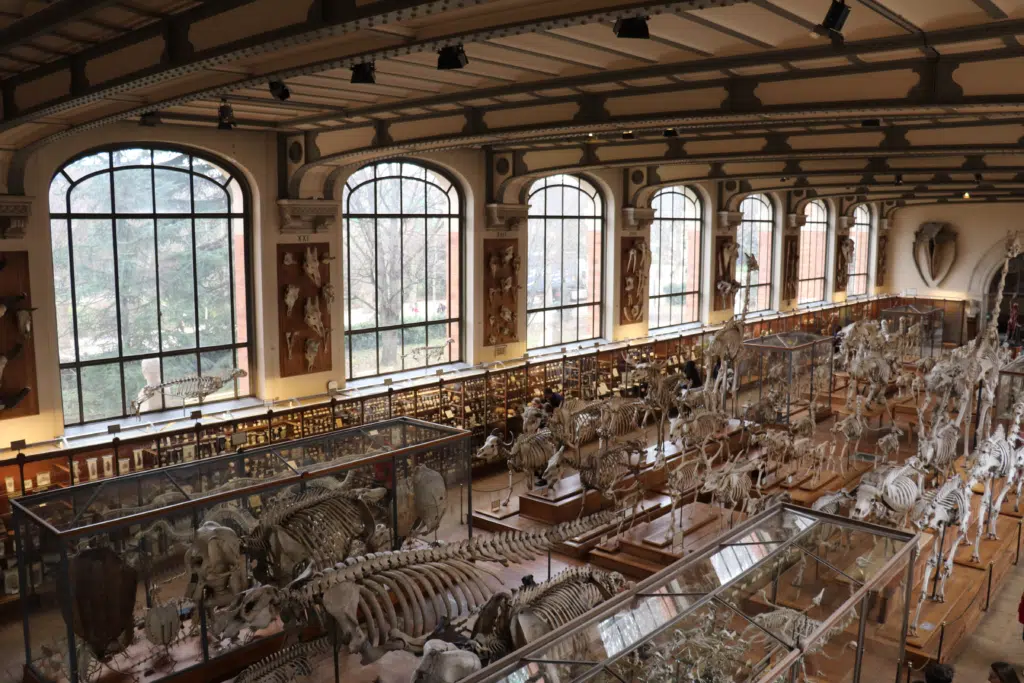 MuseumPalaeontology Gallery — MNHN
 PoolSwimming pool — Montreuil
 IndustryPharmaceutical plant — HVAC
 Cold roomCold room — Leipzig
 Sport / ArenaPalais Omnisports de Paris-Bercy
 IndustryPlant — Wind turbine
 Cold roomCold room — Resurfacing
 Atrium · 🔒Glass-roof comfort — Atrium
The simplest thing is to talk it through together. Our engineers reply with an initial technical read.