Legionellosis: a respiratory disease
Cooling towers, used to cool water by spraying it into the air, can encourage the spread of legionellosis. The bacterium proliferates at temperatures between 20 °C and 45 °C, particularly in the warm water present in cooling towers.
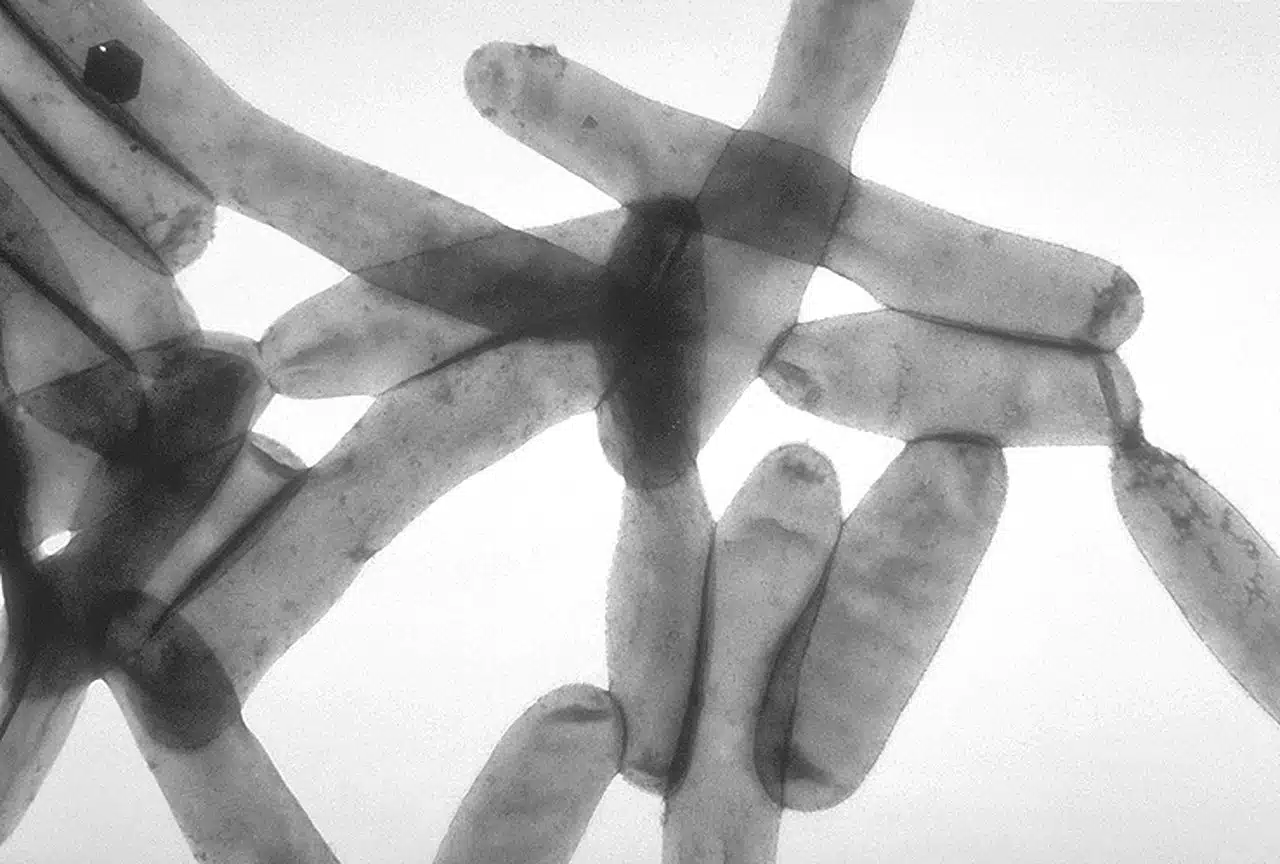
Legionellosis is a serious respiratory disease caused by the bacterium Legionella pneumophila. This bacterium is found naturally in aquatic environments, such as lakes, rivers and hot springs. It multiplies in water-distribution systems: cooling towers, air-conditioning systems, showers and spas.
Legionellosis is generally transmitted by the inhalation of contaminated water droplets containing the bacterium. The people most at risk are those with a weakened immune system, the elderly, smokers and people with chronic respiratory diseases.
The dangers of cooling towers
The symptoms of legionellosis can include a high fever, chills, headaches, muscle pain, a cough and breathing difficulties. In severe cases, legionellosis can lead to a potentially fatal pneumonia.
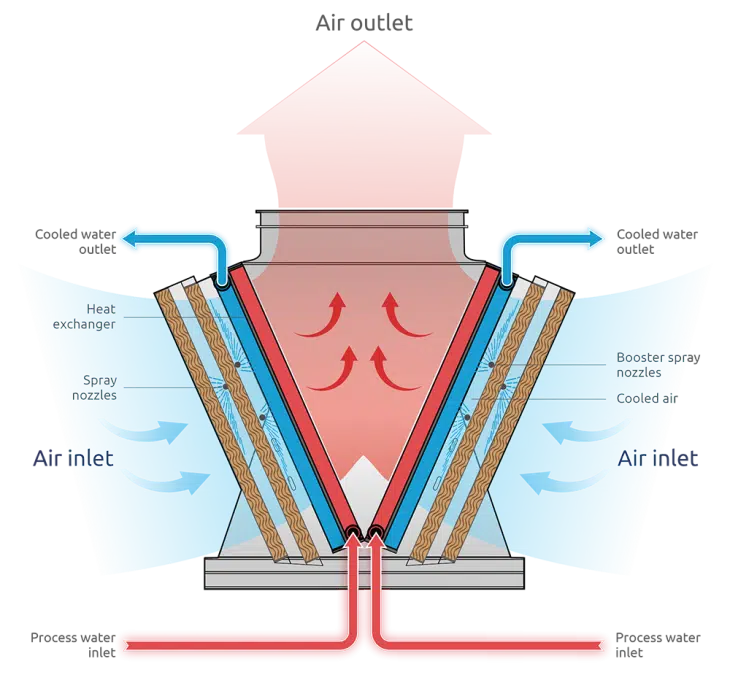
Cooling towers are equipment used to cool water by spraying it into the air. They are often used in industrial air-conditioning systems, power plants and other facilities where water cooling is necessary.
Growth and transmission of legionellosis by cooling towers
Facilities that favour proliferation
The bacterium Legionella pneumophila develops mainly in warm, stagnant aquatic environments. It proliferates particularly well at temperatures between 20 °C and 45 °C, with an optimal temperature of about 35 °C to 40 °C. Warm water, such as that present in cooling towers or domestic hot-water distribution systems, offers ideal conditions for its growth.
Moreover, Legionella is able to colonize surfaces and form biofilms, layers of bacteria and other micro-organisms attached to submerged surfaces. These biofilms provide a protective environment for the bacterium, encouraging its proliferation.
The bacterium needs nutrients to develop, in particular organic matter present in the water. The presence of organic sediment deposits or dissolved organic matter can therefore contribute to its growth.
It is important to note that Legionella can develop in various installations where water is heated and circulates: cooling towers, air-conditioning systems, communal showers, fountains and watering systems. It is relatively resistant to the usual chlorine concentrations used in water treatment, which requires adequate disinfection levels to control its growth.
Inhaling Legionella: how contamination occurs
The bacterium spreads to humans mainly through the inhalation of contaminated water droplets. When water containing the bacterium is dispersed as aerosols or small droplets in the air — in particular by cooling towers, hot-water systems, communal showers or hot tubs — people nearby can inhale these droplets and become infected.
Once inhaled, the bacterium can enter the lungs where it can cause a respiratory infection, in particular Legionnaires' pneumonia. It should be emphasized that the spread occurs only through inhalation of the airborne droplets, and not through direct person-to-person transmission: the bacterium does not spread through skin contact or by ingesting contaminated water.
To prevent the proliferation of Legionella, it is essential to put appropriate measures in place: regular cleaning, disinfection and maintenance of the installations, use of antimicrobial chemicals, maintenance of good hygiene and ventilation practices, as well as regular monitoring of water quality. Understanding these factors is crucial to reduce the risks to public health.
Controlling cooling-tower emissions
The operation of cooling towers favours the development of the bacterium and its spread to humans. The water-vapour emissions from rooftop installations can contain this bacterium. It is therefore crucial to take the surrounding environment into account and to control the water-vapour emissions in order to reduce the risks of legionellosis when installing these systems.
To prevent transmission, it is essential to implement appropriate water-management measures: maintaining suitable temperatures and treatment conditions to inhibit the growth of Legionella. Regular inspections, cleaning and disinfection of the towers are also important to control the spread of the bacterium.
What do French and international regulations say?
Regulations and guidelines help the owners and operators of facilities using cooling towers to prevent legionellosis. They aim to reduce the risk of exposure of workers and the public to Legionella pneumophila and are mainly defined by the French Public Health Code. Here are the main provisions:
Regulatory provisions
- Declaration and registration of cooling towers — owners or operators must declare their installations to the competent authorities, to register them and monitor their compliance.
- Risk assessment and prevention measures — assessment of proliferation risks leading to appropriate measures (water monitoring, cleaning, disinfection, adequate temperatures).
- Monitoring and control of water quality — monitoring programmes with periodic microbiological analyses of the water sampled from the cooling towers.
- Staff training — training in good prevention practices and in the safe handling of cleaning and disinfection products.
These regulations aim to reduce the risk of exposure to legionellosis associated with cooling towers. The local health authorities are responsible for enforcing them and may carry out regular inspections to ensure they are applied.
The regulatory references: ICPE
In 2004, following several cases of legionellosis linked to the proliferation and dispersion of Legionella by cooling towers, heading 2921 of the ICPE nomenclature was created. The regulation was revised in 2013 and came into force during 2014. Under this heading, the following are subject to:
Registration — E threshold
- Evaporative cooling systems dispersing water into an air flow with a power of ≥ 3000 kW
Declaration with control — DC threshold
- Evaporative cooling systems dispersing water into an air flow with a power of < 3000 kW
Reducing the risk of Legionella proliferation with CFD
Risk analysis and impact study via CFD simulation
CFD is a numerical simulation method used to study the behaviour of moving fluids in complex systems. In the context of legionellosis and cooling towers, it plays a key role in reducing the risks of Legionella spread.
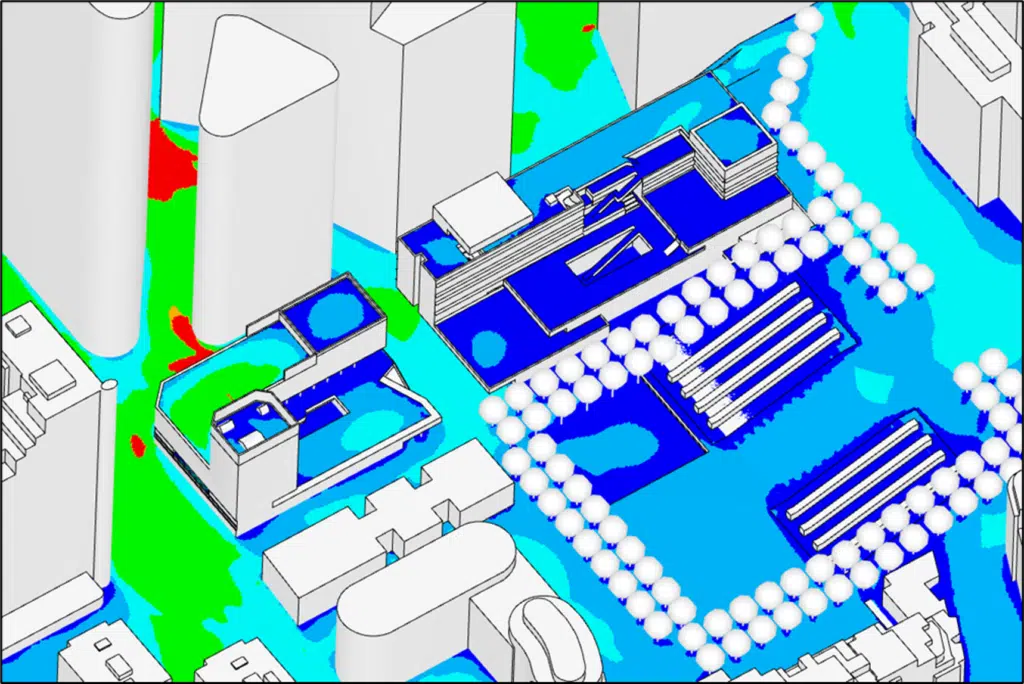
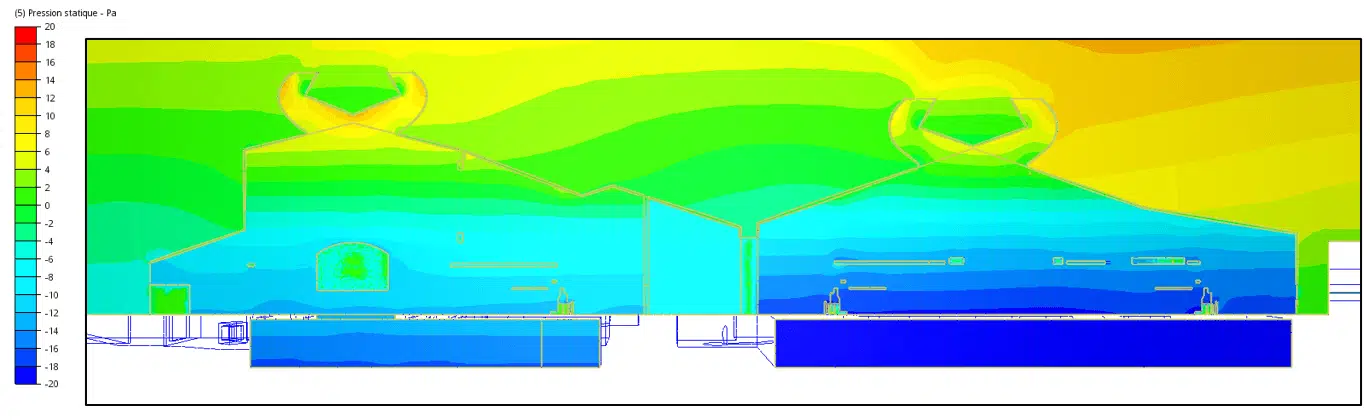
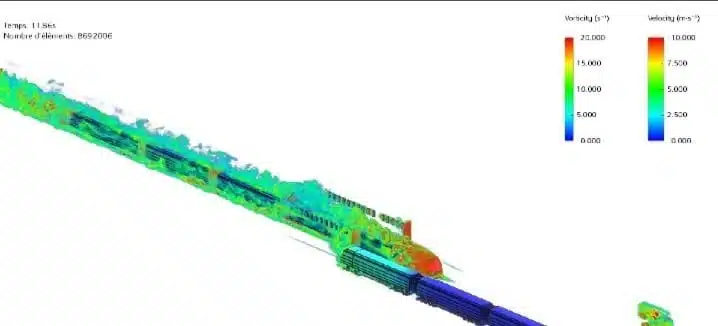
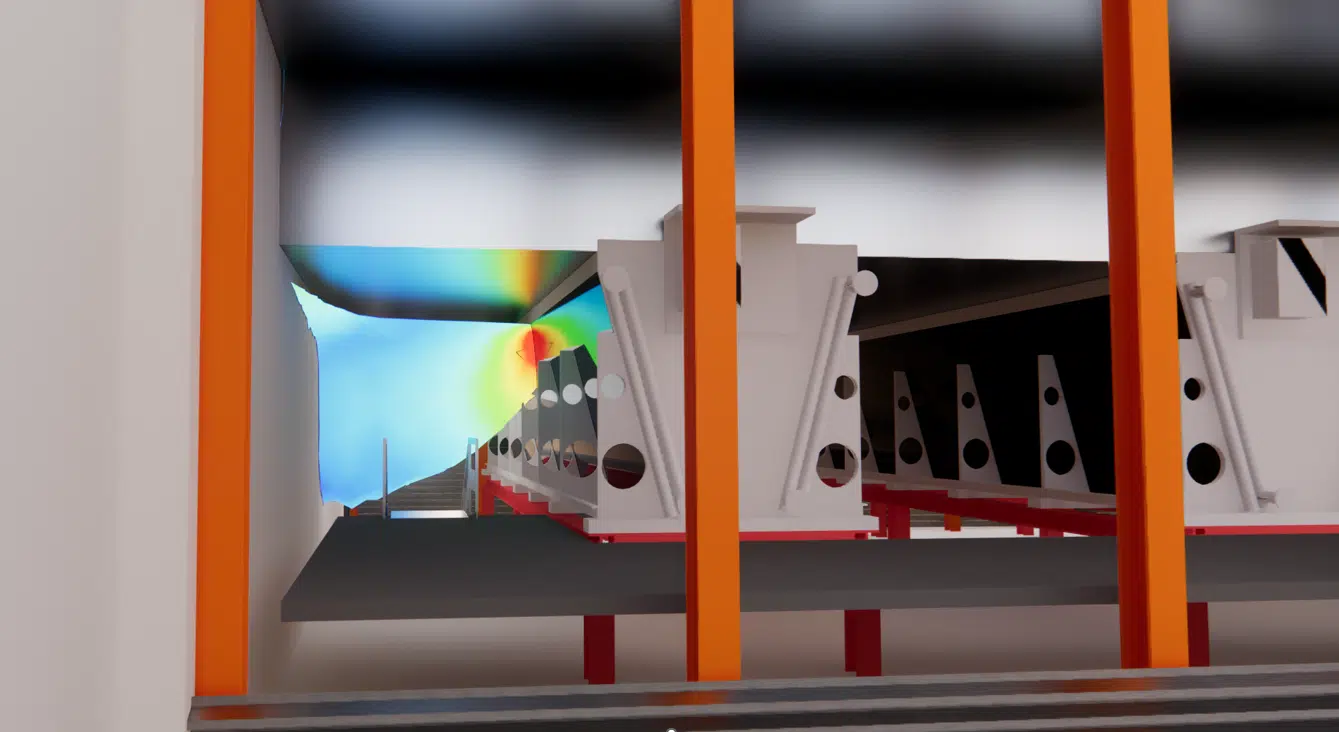
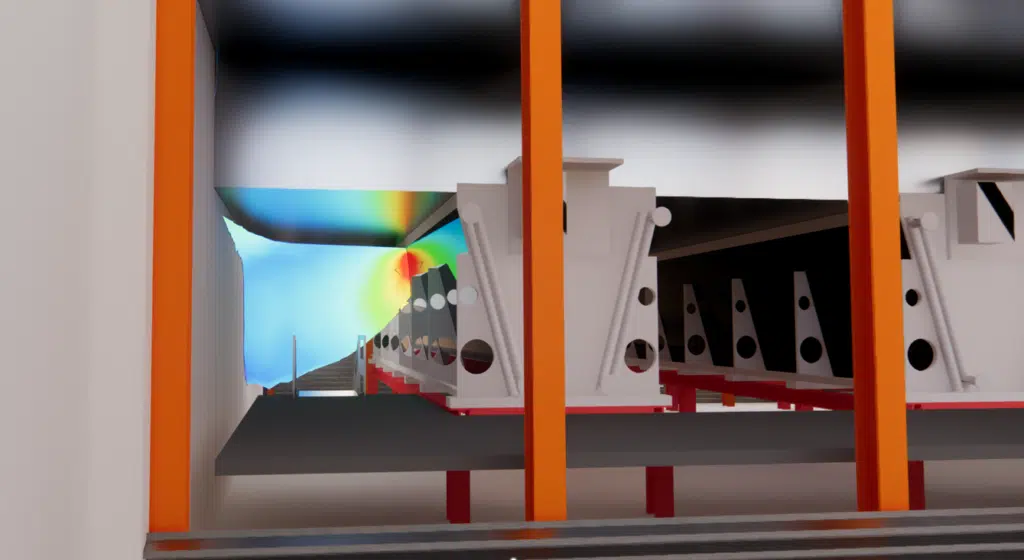
It makes it possible to model the dispersion of contaminated water droplets in the air. By understanding how the aerosols disperse in the environment around the towers, it is possible to identify the risk zones where Legionella concentrations may be high — valuable information for targeted prevention measures (ventilation adjustment, physical barriers).
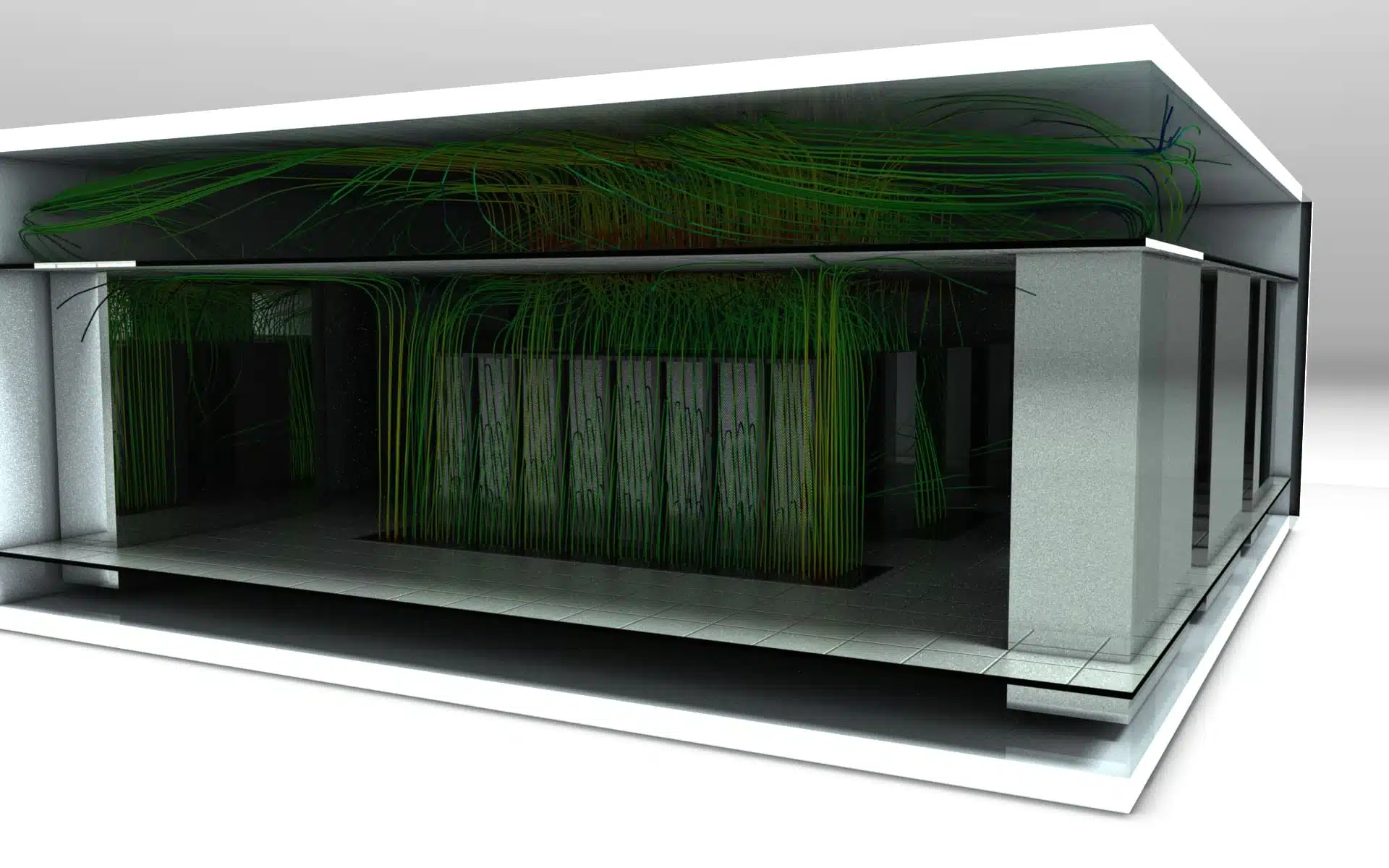
It is also possible to simulate the operation of cooling towers and optimize their design to minimize the risks. By analysing parameters such as the air velocity, the water temperature or the geometry of the equipment, modifications can be made that create conditions unfavourable to bacterial growth.
CFD can also assess the effectiveness of the prevention measures put in place: for example, simulating the impact of a water treatment or the installation of a filtration system on the dispersion of Legionella. This makes it possible to optimize the measures according to the characteristics of each installation.
The services of the EOLIOS consultancy
EOLIOS is a company specialized in fluid mechanics that offers CFD modelling services specifically designed for cooling-tower installations. Our know-how focuses on optimizing the design and performance of cooling towers, as well as on the management and reduction of the risks of legionellosis spread.
Here are some of the services we offer:
1. CFD modelling: EOLIOS uses advanced CFD modelling tools to simulate the behaviour of fluids and particles in cooling towers. These simulations make it possible to precisely visualize the different fluid flows, to understand the interactions between air and water and to assess the effects of the dispersion of contaminated droplets.
2. Design optimization: EOLIOS helps companies optimize the design of their cooling towers in order to improve their efficiency and reduce the risks. We provide recommendations on the configuration of the spray nozzles, the layout of the heat-exchange panels and other design parameters.
3. Risk assessment: EOLIOS carries out risk assessments for existing installations in order to identify the high-risk zones for proliferation. These assessments include dispersion analyses of contaminated droplets, water-quality studies and recommendations to minimize the risks.
Plume dispersion, recirculation, ICPE 2921 compliance: our CFD engineers assess and reduce the legionellosis risk.