EOLIOS, a know-how unique in Europe
EOLIOS is a CFD consultancy specialising in the study of dust dispersion and low-velocity airflow. We simulate the airflow phenomena specific to cleanrooms to analyse your challenges and propose suitable solutions.
Model
- Dust modelling
- On-site measurement of concentrations
- A passionate team
Clean
- Sizing of the air-cleaning systems
- Air-quality optimisation
- Decontamination study
Secure
- Contamination control
- Identification of the at-risk zones
- Compliance upgrade
How does cleanroom airflow work?
Why study cleanroom airflow?
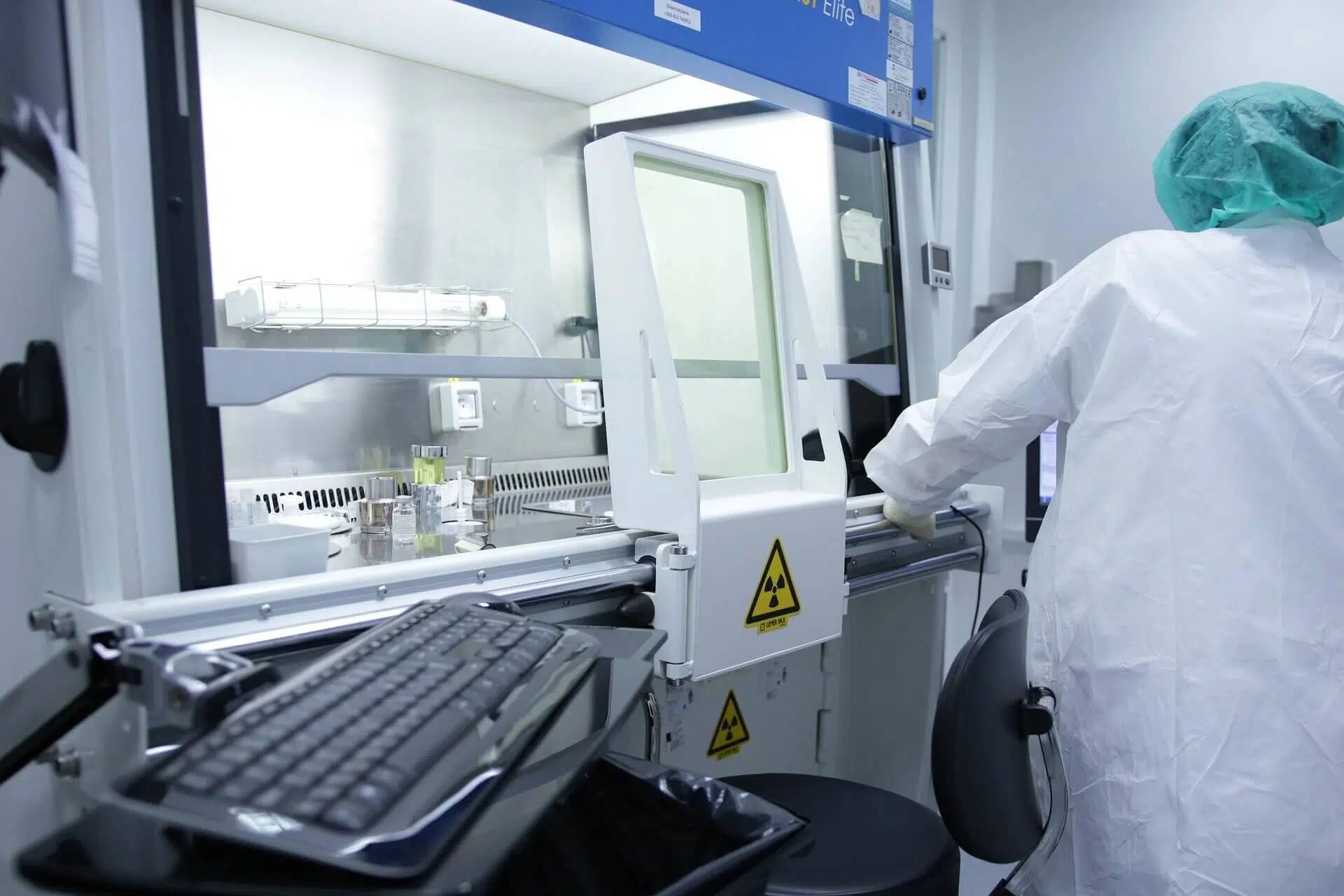
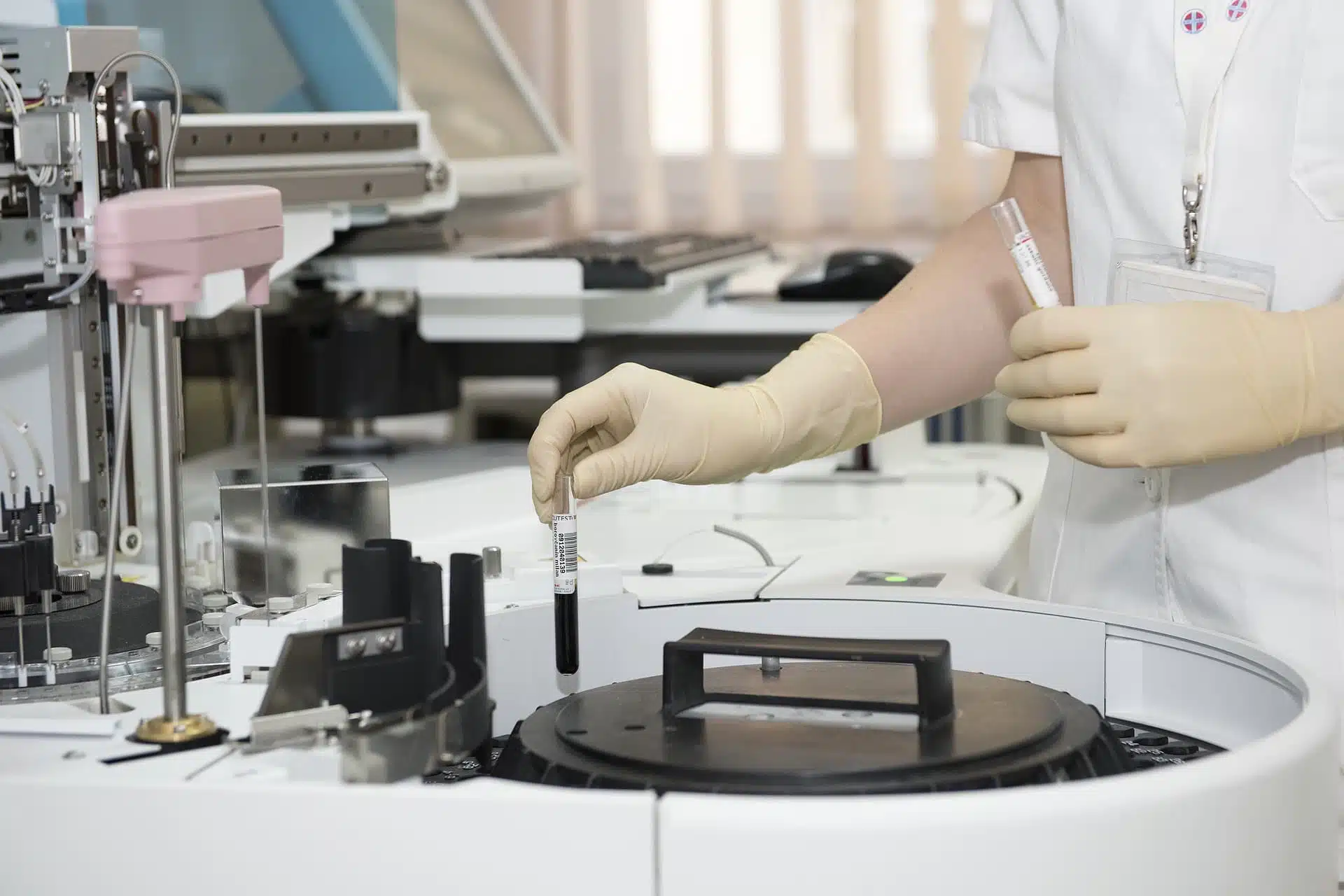
Airflow is a crucial aspect of the design and operation of these sensitive spaces: mastering it is fundamental to maintaining a clean, controlled environment intended for the manufacture of contamination-sensitive products — semiconductors, pharmaceuticals, medical devices and electronic products. This control makes it possible to minimise the contamination of the air and surfaces, reducing the risks of failure and batch rejection, and improving the quality and reliability of the products. Contamination can come from workers, equipment, materials, the outside environment and disturbances of the airflow.
Fine-dust control, a recurring challenge
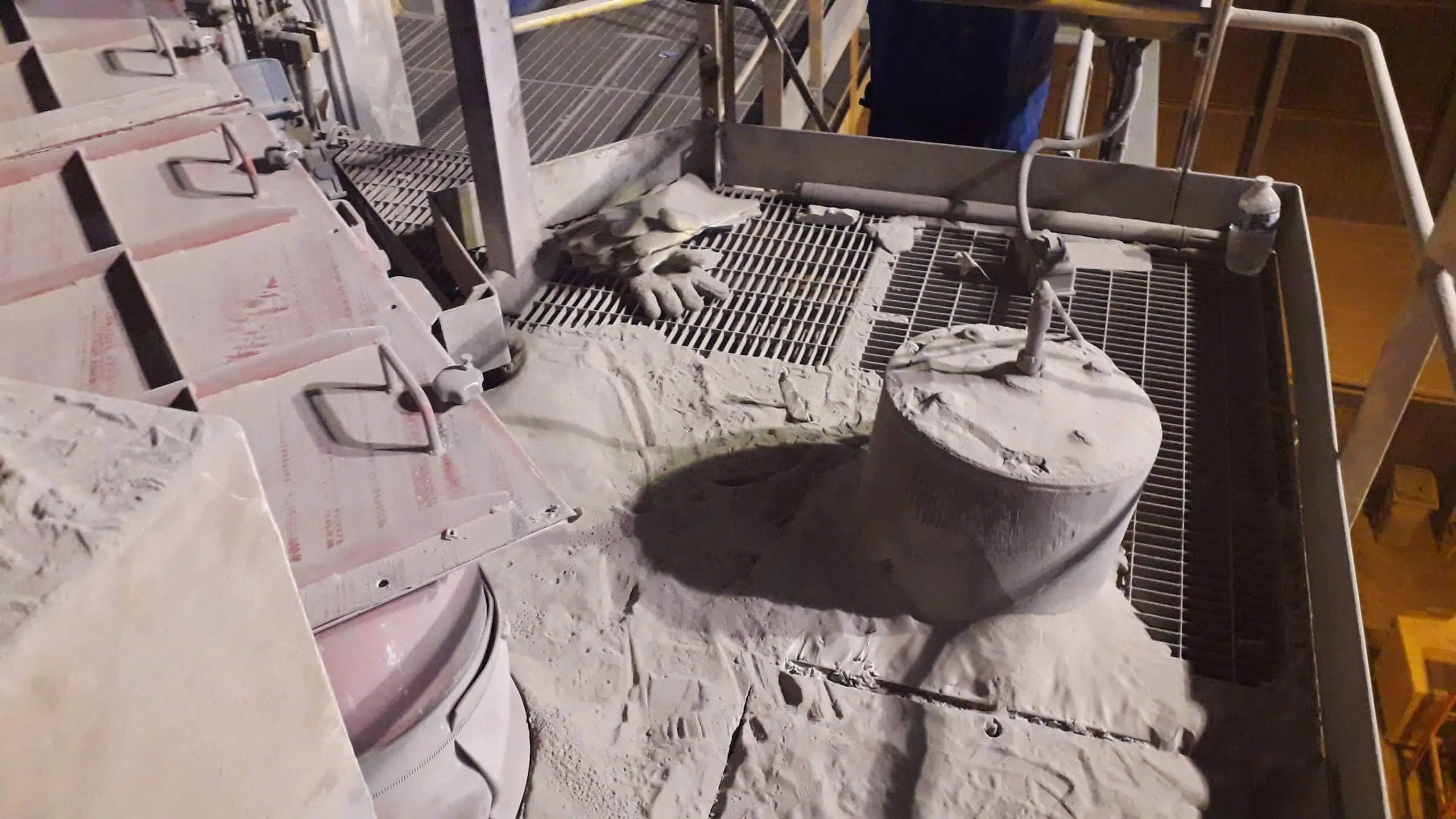
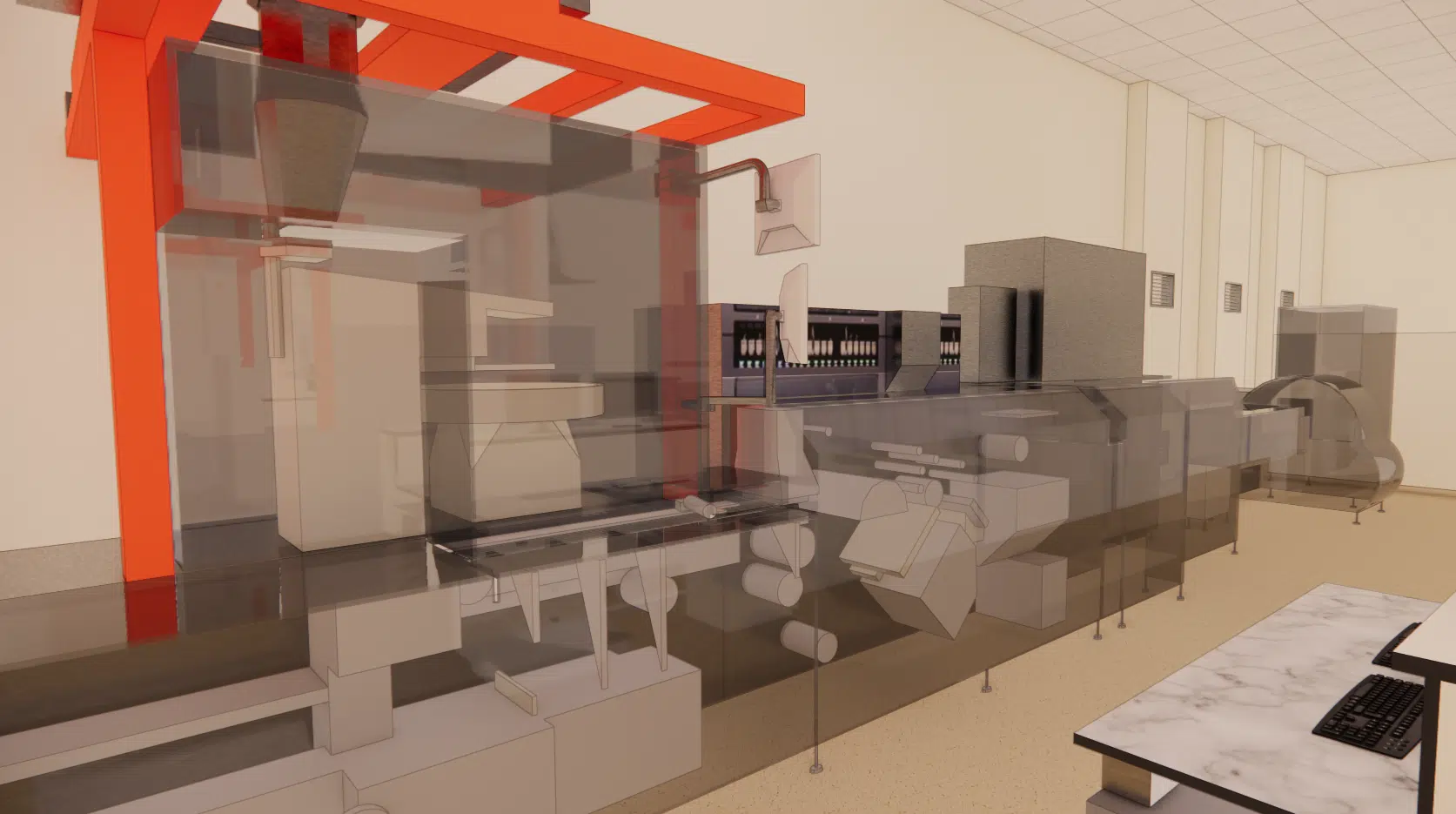
Fine dust consists of small particles that are difficult to filter and control in clean environments. They come from workers, equipment or materials, but can also be generated by the processes themselves — etching, spraying, pharmaceutical manufacturing. It is essential to maintain an adequate level of quality and safety to prevent their spread: dust can damage the products, harm quality and lead to additional costs or delays.
Why CFD simulation to study cleanrooms?
What help at the design stage?
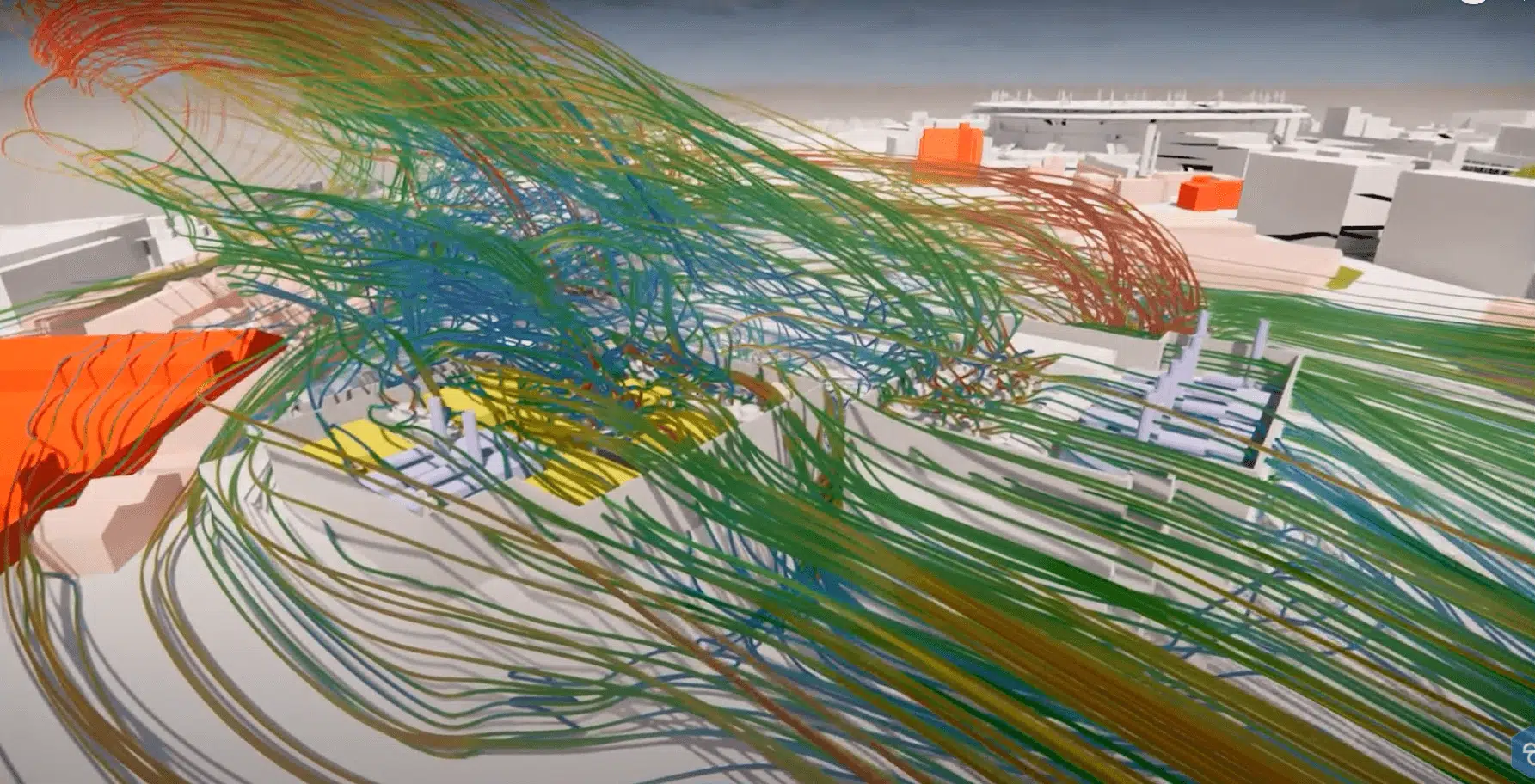
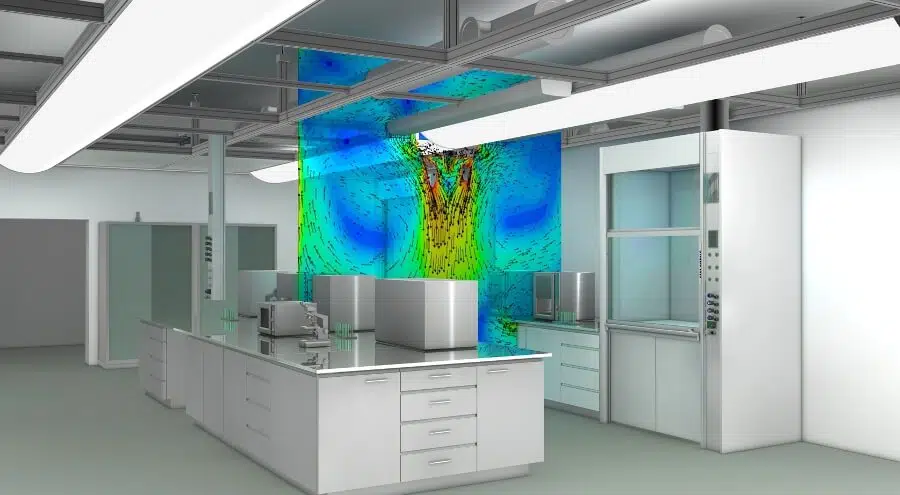
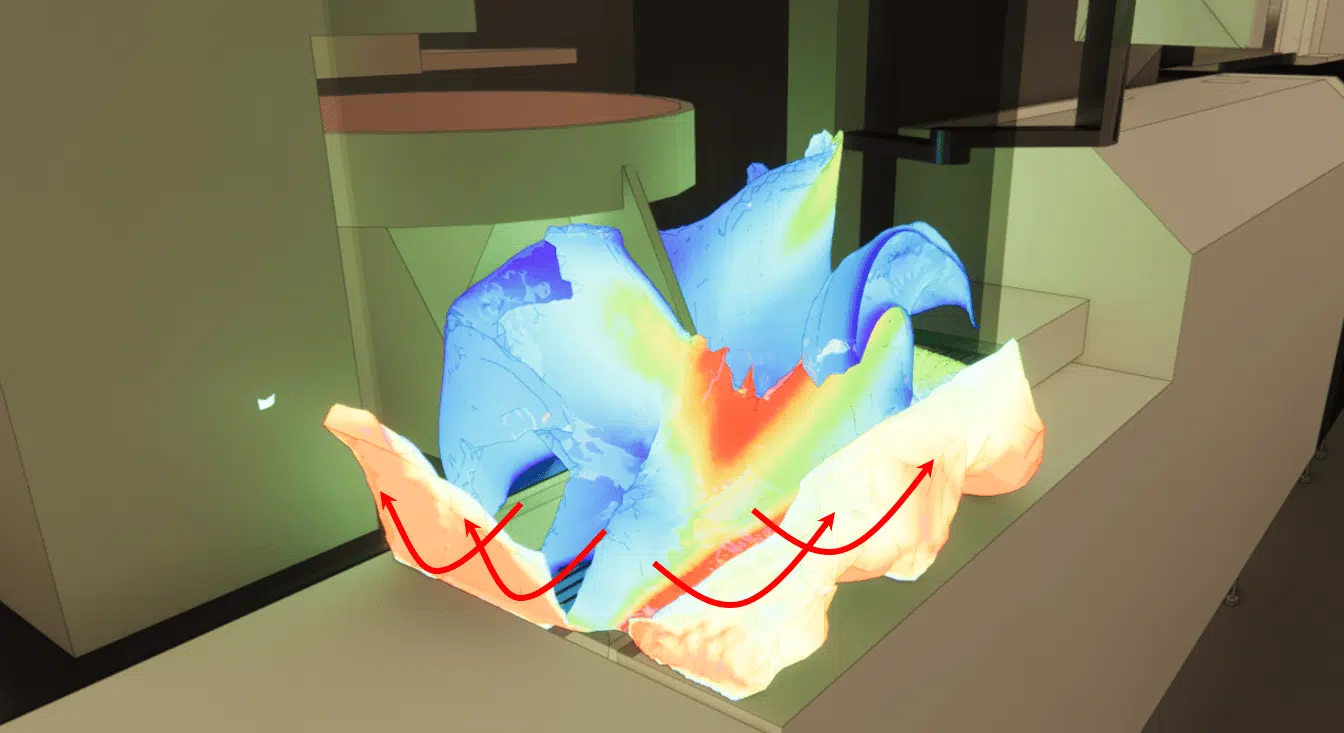
CFD simulation makes it possible to model the specific behaviours of the air and particles in the atypical environment of cleanrooms, and to predict the distribution of contaminants. This low-velocity airflow is complex to anticipate: particular phenomena such as dead zones or recirculation zones can appear. CFD also simulates the effects of various configurations — location of the supply and return vents, filter configuration, optimisation of the air flow rates.
Why use it for fine particles?
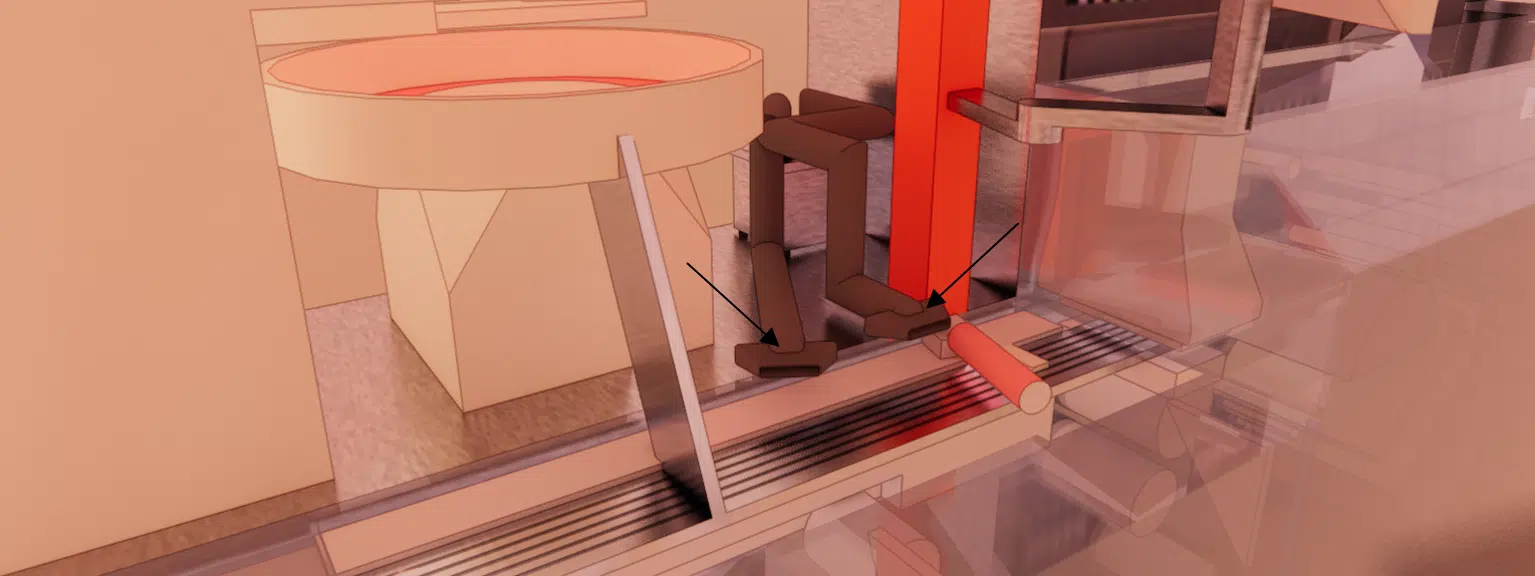
CFD helps to identify the high-risk zones of contamination. In industrial environments, the use of highly powdery products is common and can compromise the level of quality and safety. Thanks to simulation, it is possible to check the different designs, anticipate the at-risk zones and take suitable measures to correct them quickly and at lower cost.
Valuable help for compliance
CFD makes it possible to test different design scenarios and validate their compliance with the standards in force, and to optimise the operating parameters — air velocity, temperature distribution, relative humidity. It is also possible to determine the time needed to completely remove the pollutants (decontamination study) and the ramp-up time of the installations, guaranteeing a high level of cleanliness and minimising the risks of contamination.