Fire-protection solutions for data facilities
Definition of a fire
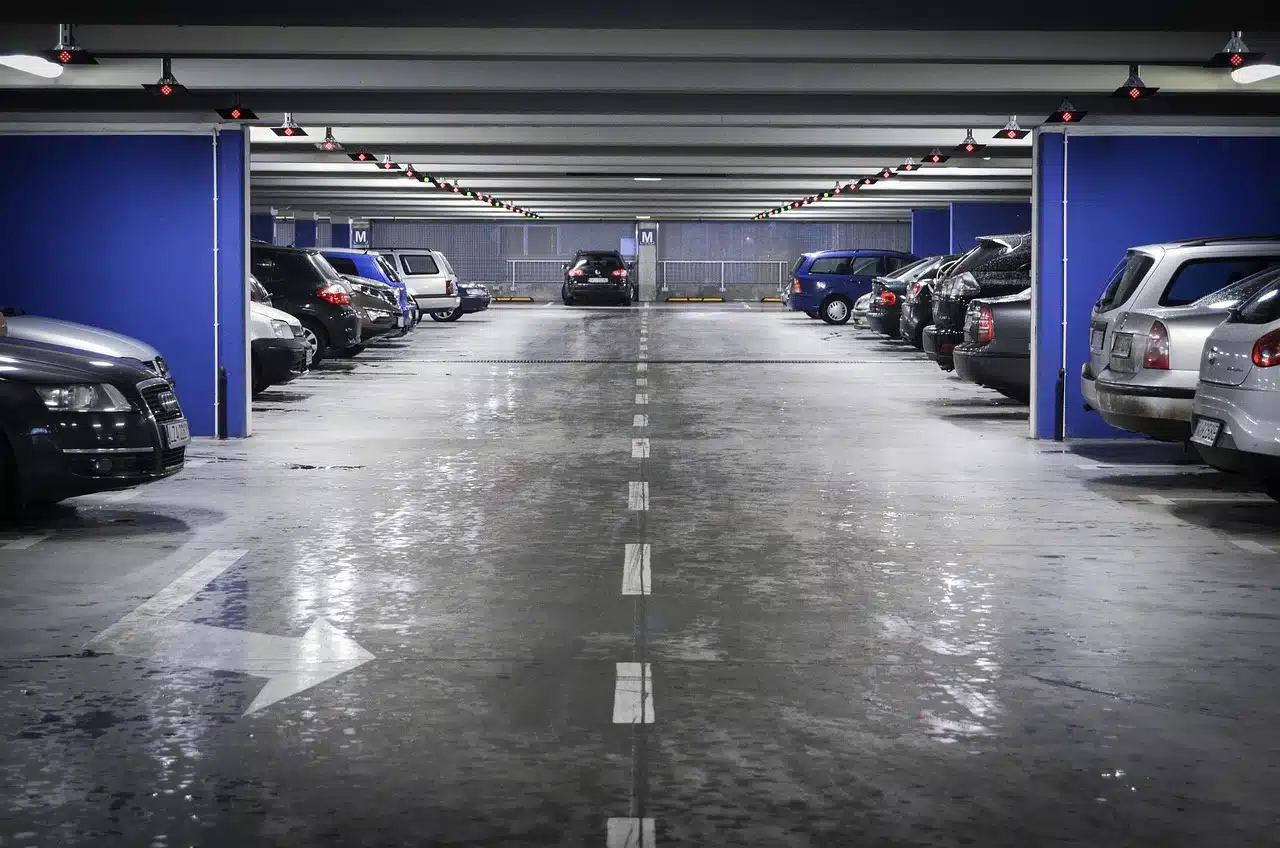
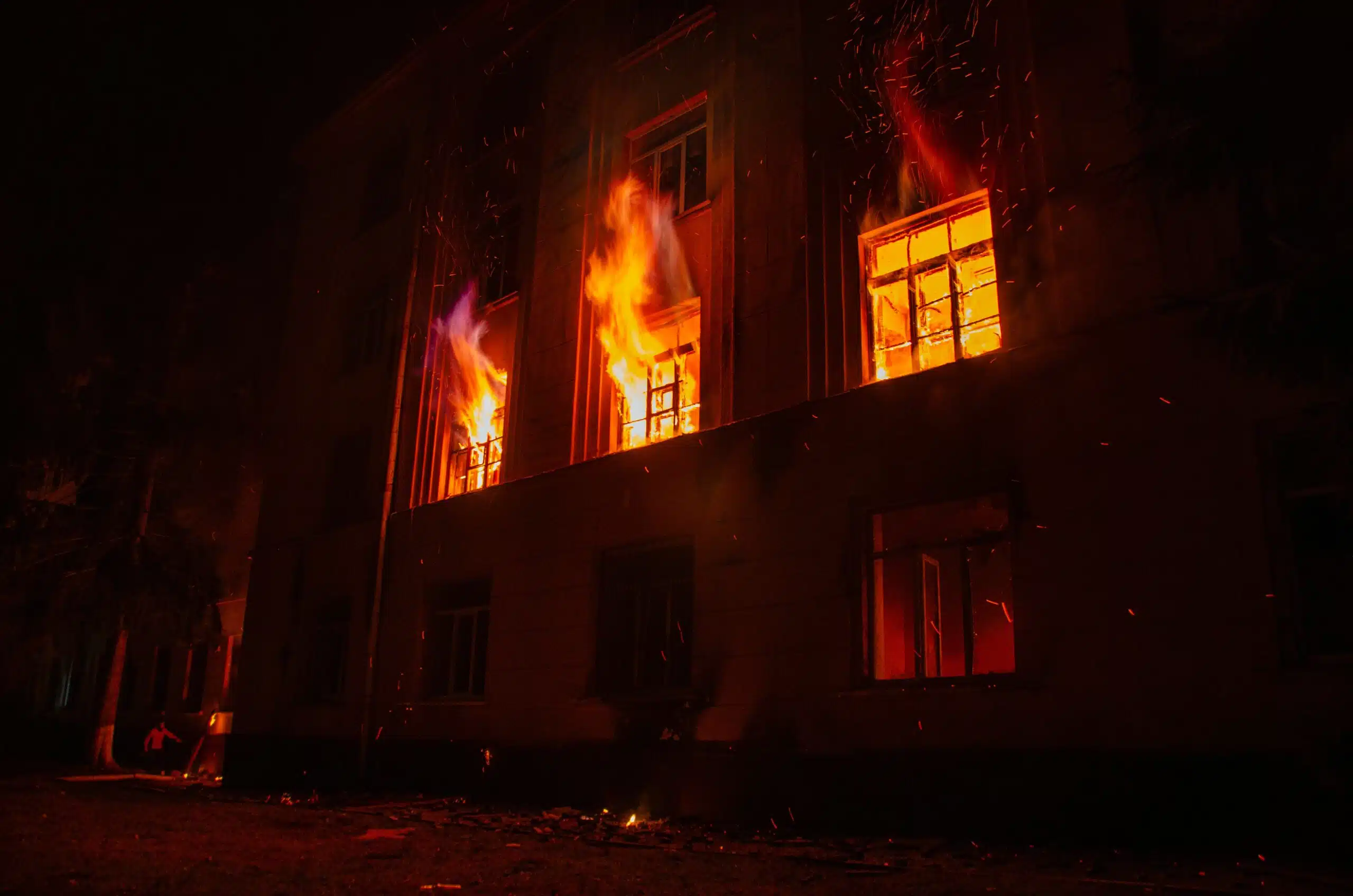
A fire in a data facility is a potentially catastrophic event, when the fire spreads in an environment highly concentrated with critical IT equipment.
Fires can be triggered by various external and internal causes: electrical short circuits, overloads, connection faults, high temperatures, liquid leaks, human error, negligence in the storage of combustible materials or design errors in the fire-safety systems.
The types of data center protection
Building protection
- Global measures: fire-retardant materials, fire detection and suppression, fire walls, fire doors, specific ventilation to limit the spread of smoke and flames.
Room protection
- Sensitive spaces (server rooms, storage, communication): specific detection (smoke, heat) and suitable suppression to quickly extinguish any fire ignition.
Object protection
- Individual protection of the equipment: fire-resistant safes, security cabinets, specific detection for sensitive objects.
These categories are not mutually exclusive and complement each other: in a data center, a holistic approach combining these measures ensures the overall safety of the building, the rooms and the equipment — minimising risks, reducing damage and maintaining the availability of the essential IT services.
The protection objective
Extinguishing the fire
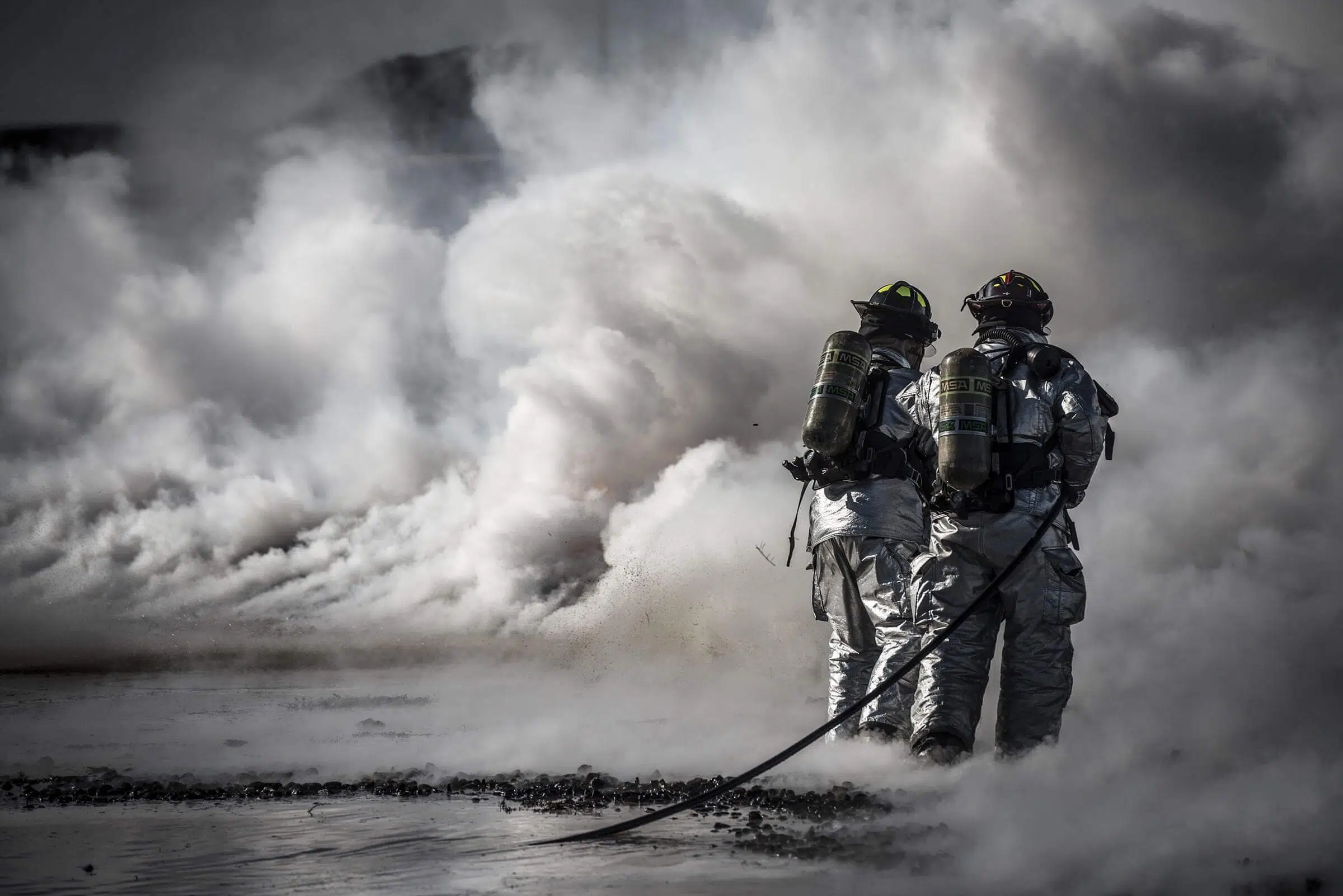
- Primary objective: completely extinguish the fire as soon as possible (rapid detection + gas or foam suppression systems), to eliminate the source and prevent spread.
Reducing the fire
- If immediate extinguishing is impossible: reduce the intensity and spread (separation of at-risk zones, containment, evacuation) to limit the damage.
Controlling the fire
- Once under control: maintain control (continuous monitoring, checking for the absence of any residual fire, additional measures) to prevent any restart.
These objectives form a global approach to fire management: extinguishing, reduction and control are all essential to minimise damage, preserve people's safety and maintain the continuity of the critical activities.
Automatic gas-extinguishing systems
How does the system work?
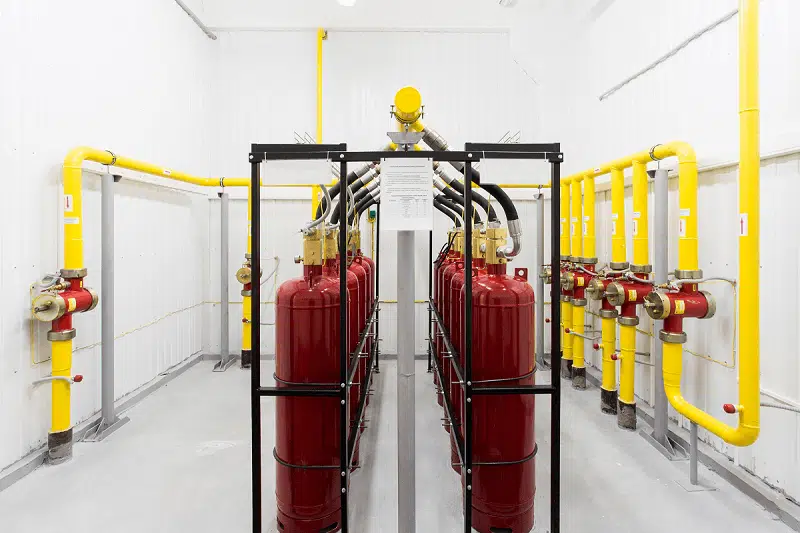
Automatic gas-extinguishing systems are fire-suppression systems using specific gases to extinguish a fire effectively and quickly. They are used in data centers because of their ability to extinguish fires without damaging the sensitive equipment.
The key operating stages
- Fire detection: a detector (smoke, heat, or a combination) sends an alarm signal to the central control panel.
- System activation: the panel automatically triggers the extinguishing procedure (manual activation possible in an emergency).
- Gas release: the gas cylinders (CO₂, inert gases such as nitrogen or argon, or other agents) are rapidly released into the affected zone.
- Dispersion in the zone: the gas is diffused via nozzles/diffusers positioned for an even distribution.
- Fire suppression: the gas deprives the fire of oxygen and lowers the temperature, without damaging the electronic equipment (avoiding data loss and service interruptions).
The different types of gas for fire protection
Inert gases ≠ inhibitor gases
Inert gases are so called because they do not react chemically with the flammable elements, unlike the oxygen needed for combustion. Inhibitor gases, on the other hand, are agents that suppress combustion by minimising the chemical reaction between the fuel and the oxygen.
Among inhibitor gases, there are two distinct families: HydroFluoroCarbons (HFC) — such as FM200™ (HFC 227ea) or FE-13™ (HFC 23) — and Fluoroketones (FK), such as Novec™ 1230 (FK 5-1-12).
How inhibitor gases work
Unlike inert gases, which act on the oxygen concentration, inhibitor gases act by disrupting the chemical reaction of the fire:
Three mechanisms
- Interference with the chain reaction: reaction with the free radicals produced during combustion, inhibiting their ability to react with other combustible molecules.
- Cooling: absorption of the heat generated by combustion, slowing the reaction.
- Oxygen dilution: reduction of the oxygen content of the ambient air.
The families of inhibitor gases
HydroFluoroCarbons (HFC)
- Made of hydrogen, fluorine and carbon (FM200™ HFC 227ea, FE-13™ HFC 23).
- Colourless, odourless, non-conductive of electricity; effective in a data center.
- More environmentally friendly alternatives to halons (no effect on the ozone layer).
Fluoroketones (FK)
- Novec™ 1230 (FK 5-1-12): a clear, colourless solution that acts quickly.
- Ecological: low global-warming potential, no effect on the ozone.
- Non-conductive; does not damage the sensitive electronic equipment.
These inhibitor gases (HFC or FK) are used where fire protection is paramount, particularly in sensitive environments such as data centers: non-toxicity, speed of action, absence of residue after extinguishing and protection of the electronic equipment. Their use must comply with the local regulations and the safety standards in force.
CO₂ and the hazards of extinguishing gases
CO₂ as an extinguishing agent
CO₂ (carbon dioxide) is a gas commonly used as an extinguishing agent, including in data centers. It belongs to the category of inhibitor gases and is very effective. Characteristics: colourless, odourless, non-conductive of electricity, generally stored as a pressurised liquid; released as a mist, it spreads rapidly. Mechanism: it removes the oxygen needed for combustion by filling the zone with a high concentration of CO₂ and has a cooling effect.
Advantages of CO₂
- Speed of action: spreads rapidly and extinguishes the fire quickly.
- Absence of residue: minimises damage to the sensitive equipment.
- Non-conductive of electricity: safe in an electrical environment.
Drawbacks & precautions
- Health risk: asphyxiating gas (respiratory problems, loss of consciousness at high concentration).
- Usage limitations: caution in confined or occupied spaces.
- Adequate ventilation required after use to clear the residual gases.
Hazards of fire-fighting gases
CO₂ presents risks because it is asphyxiating at high concentration: prolonged exposure can lead to a reduction in oxygen content, respiratory problems, dizziness, loss of consciousness, or even serious harm. It is therefore essential to take appropriate measures: evacuation of people and adequate ventilation after use.
As for the inhibitors (FM200™, Novec™ 1230), they are generally safer than CO₂ because they are non-asphyxiating at normal usage concentrations: designed for occupied spaces, they do not remove all the oxygen, minimising the risks to the people present. It always remains important to follow the manufacturer's recommendations.
Guaranteeing the protection of data facilities through simulation
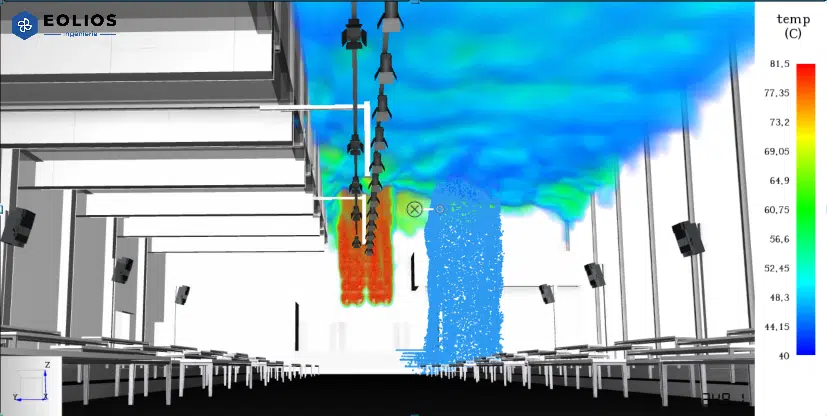
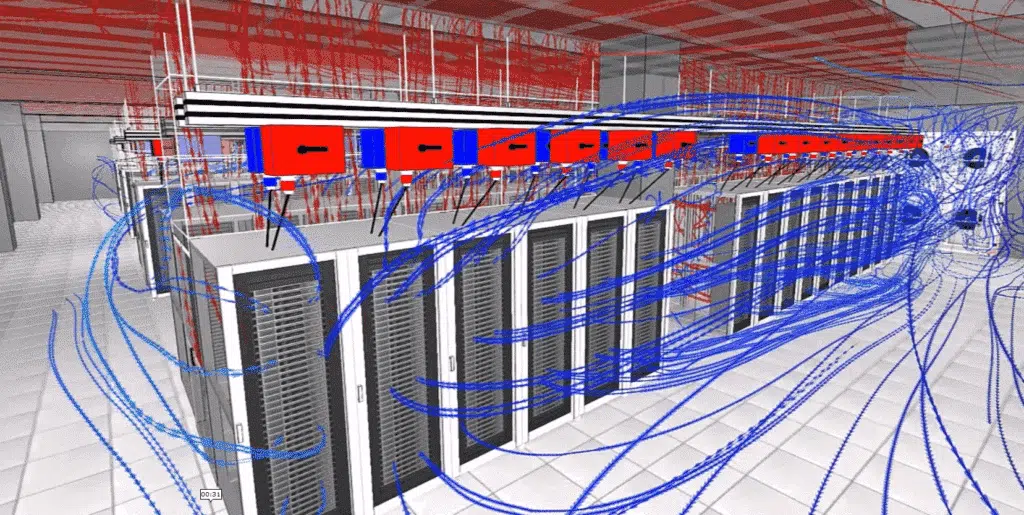
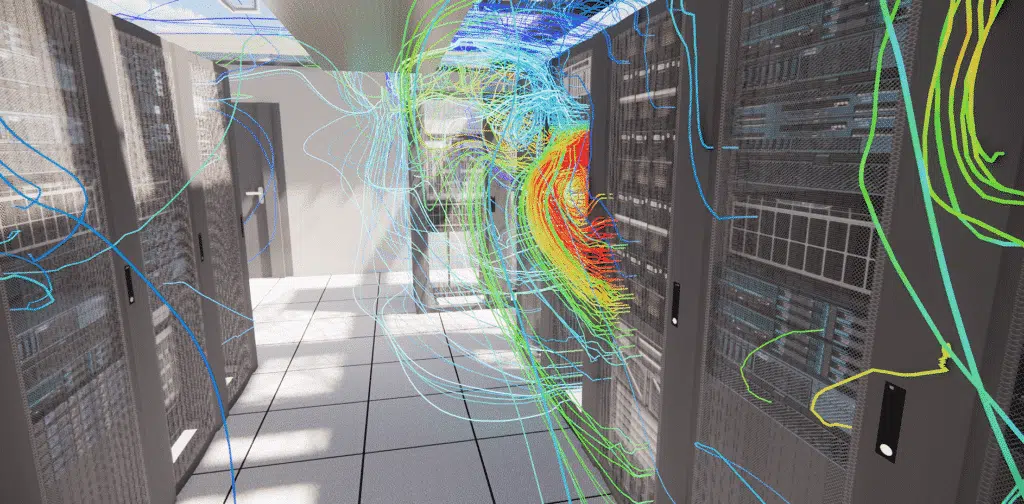
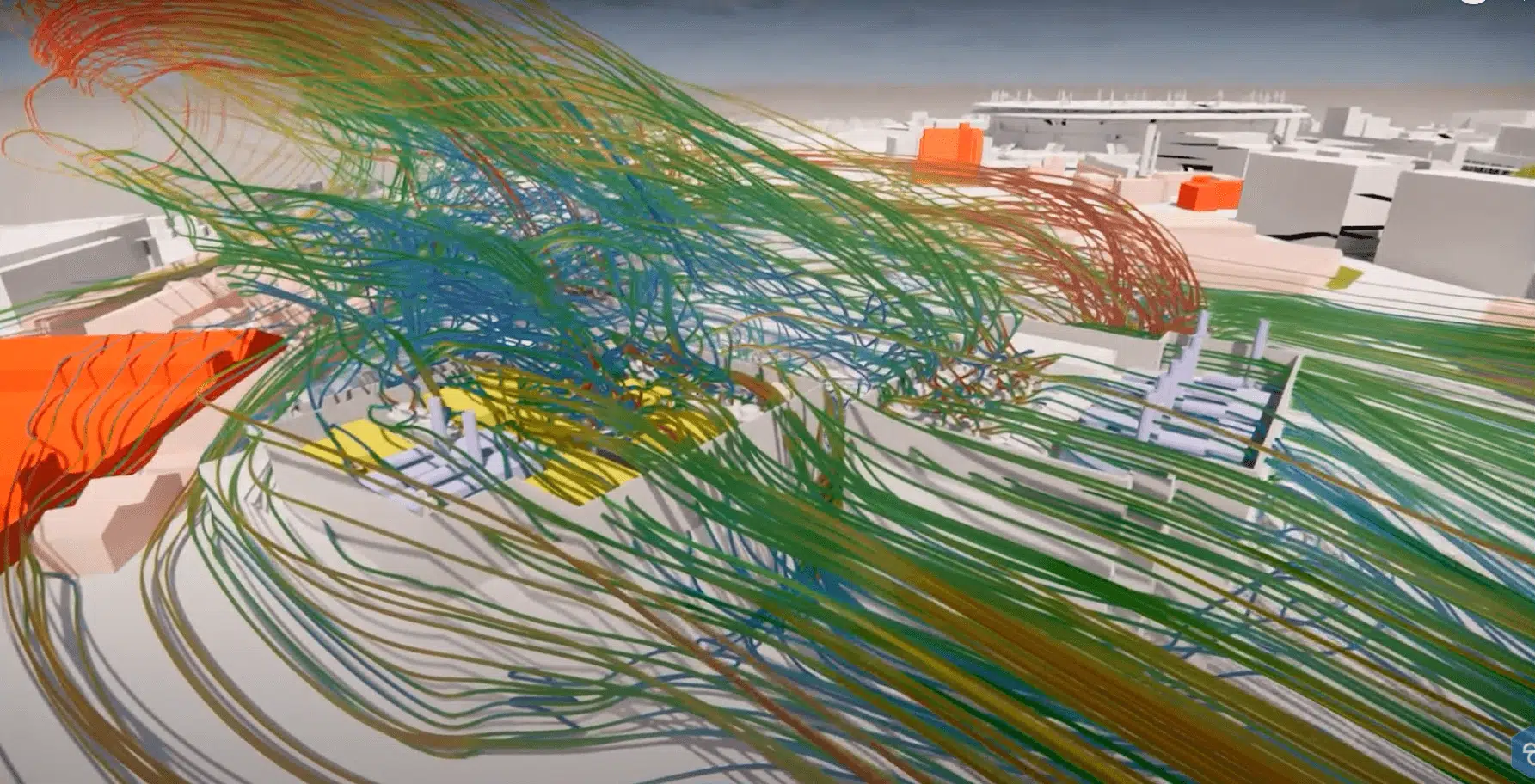
Data centers are critical infrastructures requiring particular attention to fire safety. To prevent fires and minimise their impact, fire engineering, in particular CFD modelling, is a valuable tool: by numerically simulating the spread of fire and smoke, it makes it possible to design and validate effective safety measures.
With CFD modelling, the engineers can study the behaviour of the fire and the smoke in a data center: by simulating the flows, they predict the fire spread, the smoke dispersion, the effectiveness of the inhibitor gases and the heat generated. CFD makes it possible to virtually test different protection measures.
By simulating different fire scenarios, they can assess the effectiveness of the automatic detection and extinguishing systems (smoke detectors, sprinklers, gas-extinguishing systems). This information is essential to design suitable, effective detection, automatic-extinguishing and fire-fighting systems.
Gas extinguishing, gas dispersion, critical scenarios, smoke control: our FDS/CFD engineers support you.